Power & Politics
Kings, factions, reform and law — how Korea was actually governed, and who really held power.
Korean historical dramas love a throne room. A young king stares down a hall of grey-bearded ministers, a chief councillor smiles too calmly, and somewhere a death warrant is being drafted. What the dramas rarely explain is why that room worked the way it did. Joseon was not a simple despotism: the king ruled with — and often against — a bureaucracy that could out-argue, out-wait and occasionally out-live him. Censors had the legal duty to criticise the throne. Royal secretaries recorded everything. A monarch who ignored the machinery could reign for decades and still lose.
The posts gathered here trace that machinery through the scenes you already know: the founding argument between king and prime minister behind Jeong Do-jeon, the purges and factional reversals that dramas compress into a single villain, the rice-chest death of Prince Sado, and the secret royal inspectors who turn up in half the sageuk ever filmed. Alongside them sit the quieter instruments of rule — law codes, collective punishment, tribute diplomacy with China — that shaped ordinary lives far more than any palace duel.
Start with any drama that hooked you, and follow the questions the episode left open. Who actually held power in that scene: the king, the clerks, or the men holding the brushes? The answers are stranger, and usually more interesting, than the fiction.
-
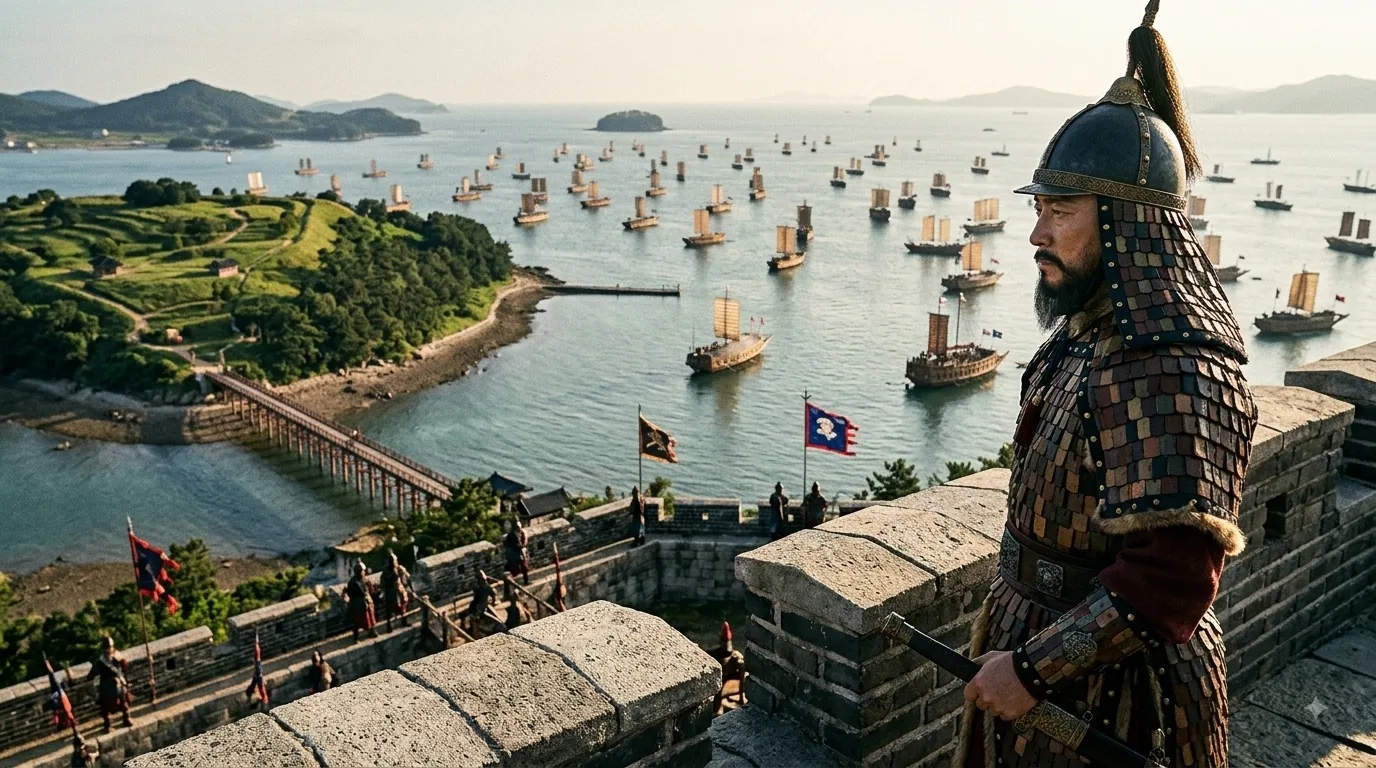 Why Did Silla Turn on Jang Bogo? Cheonghaejin and What the Records Actually Say
 -
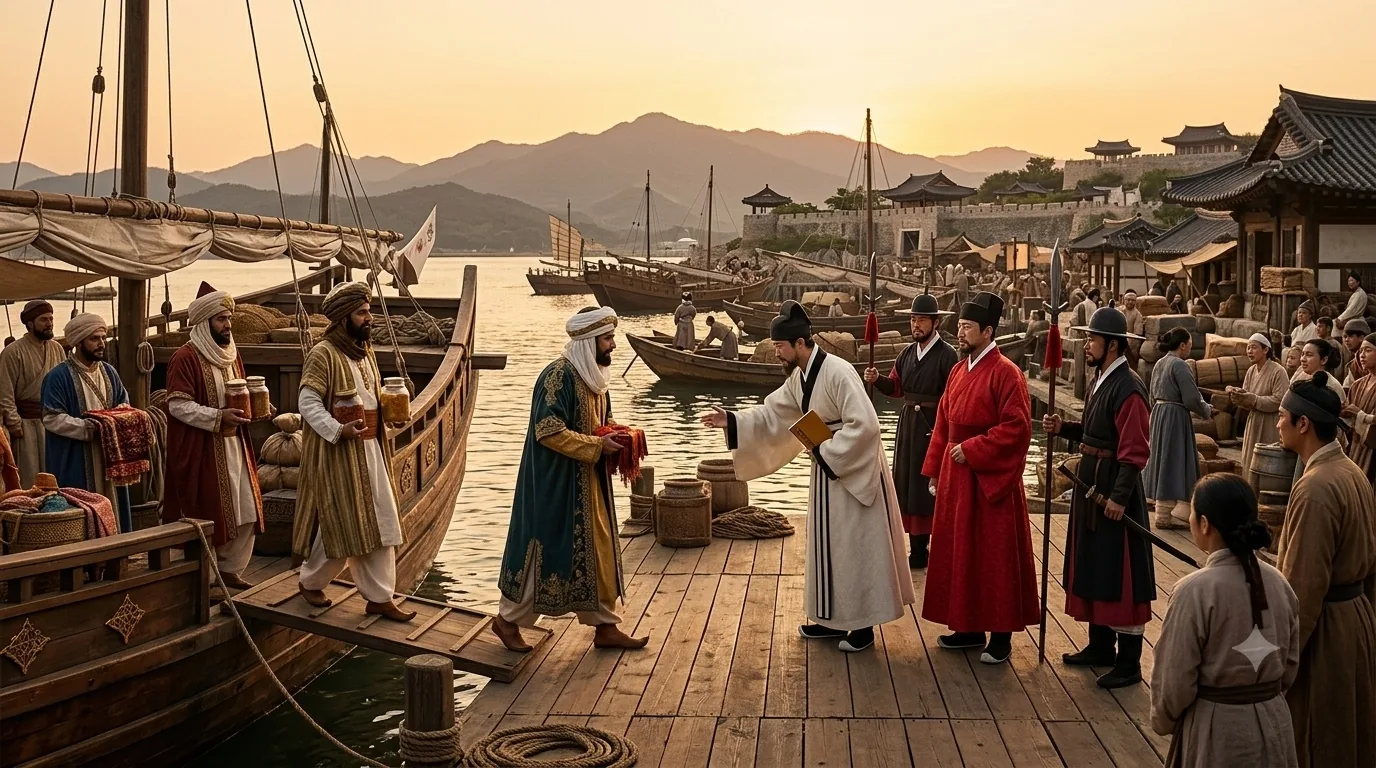 Goryeo-Khitan War, Explained: What the Records Actually Say About Arab Traders in Goryeo — and What They Don't
 -
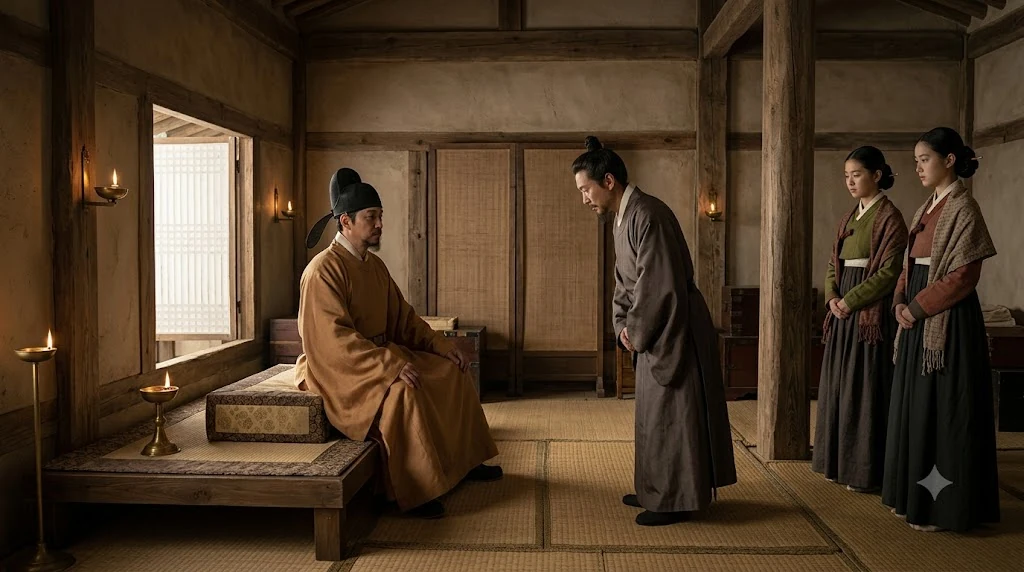 Nine Daughters, One Outside Son-in-Law — and He Had Already Surrendered His Kingdom
 -
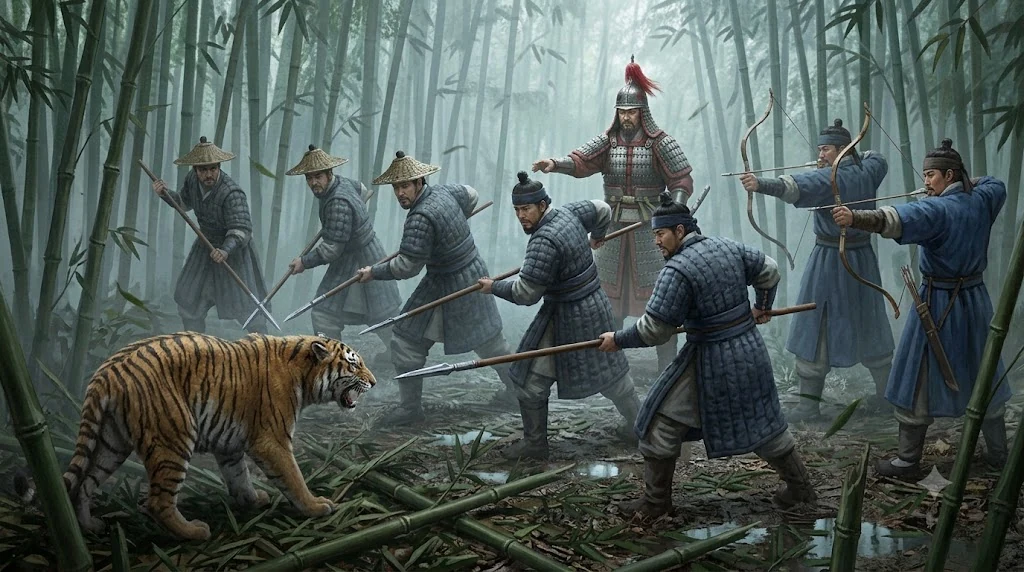 The Tiger, Explained: Joseon Korea Codified a Military Corps for Hunting Tigers
 -
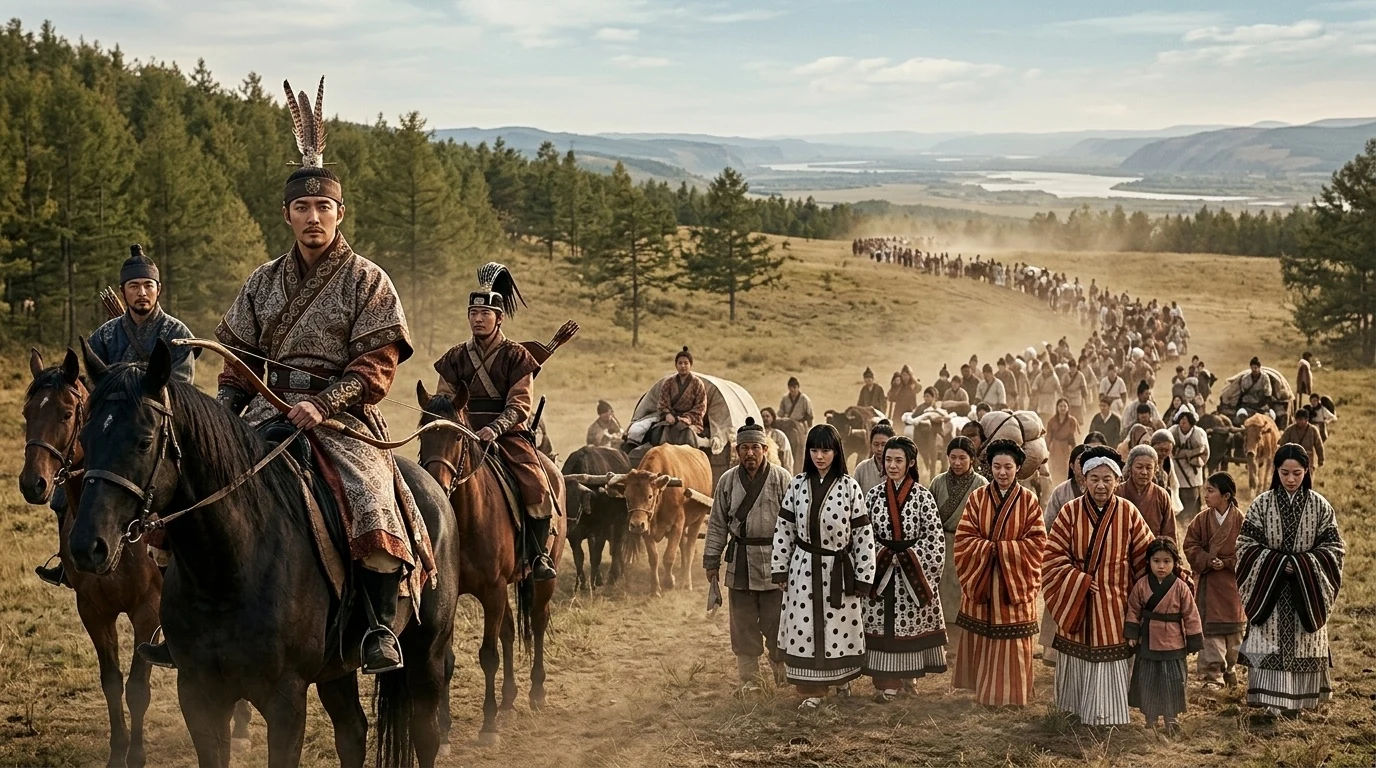 Jumong, Explained: Why the Records Tell Different Stories of Goguryeo's Founder
 -
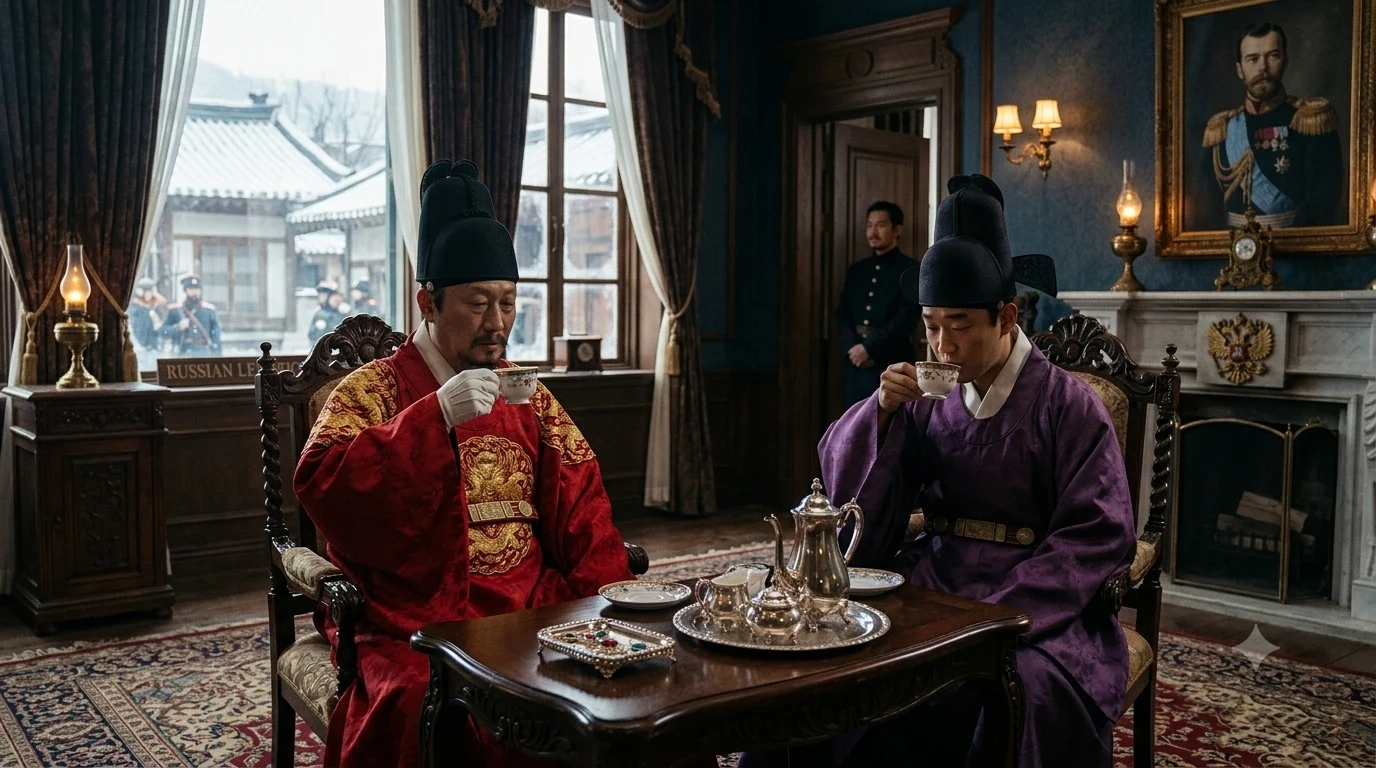 The Emperor's Poisoned Coffee: Gojong and the 1898 Assassination Attempt
 -
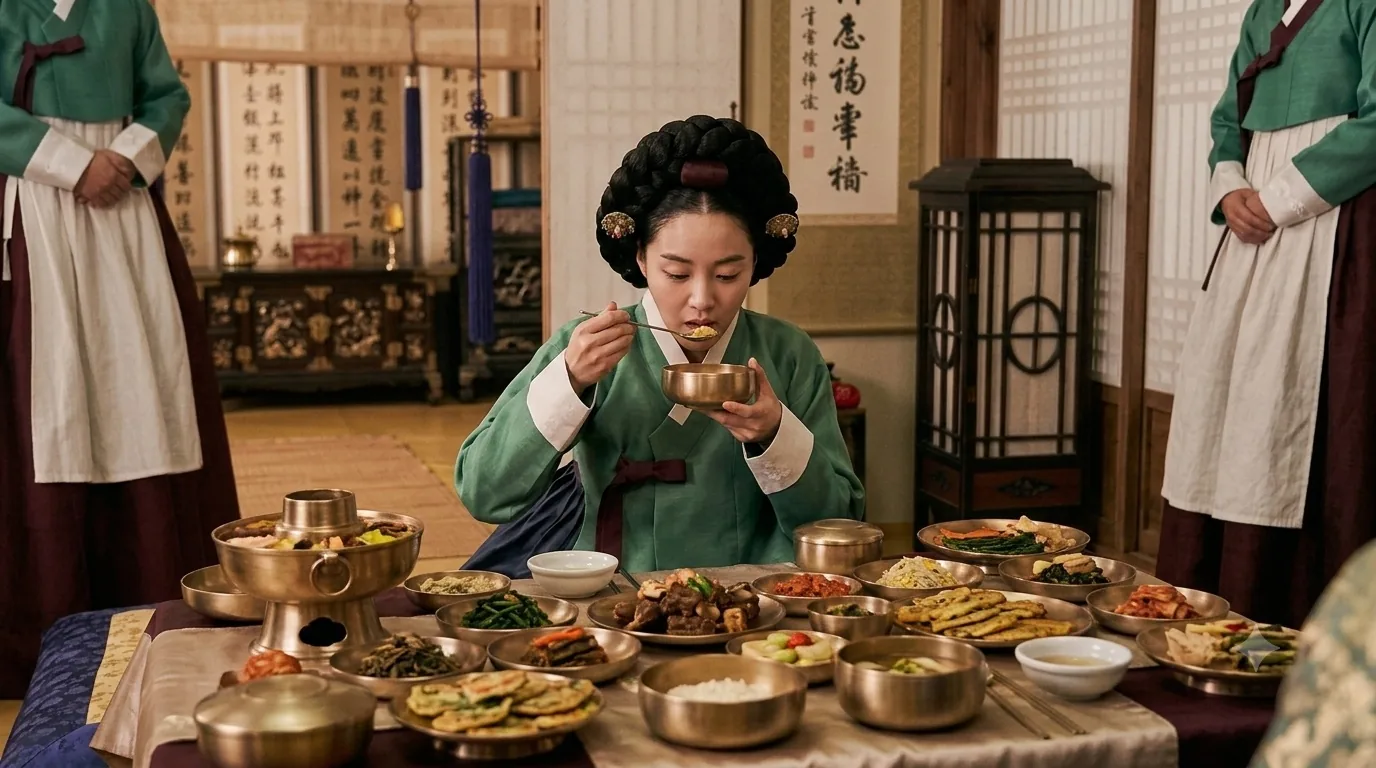 Bon Appétit, Your Majesty Explained: Joseon Royal Food Tasters, Gimi Sanggung, and the King's Table
 -
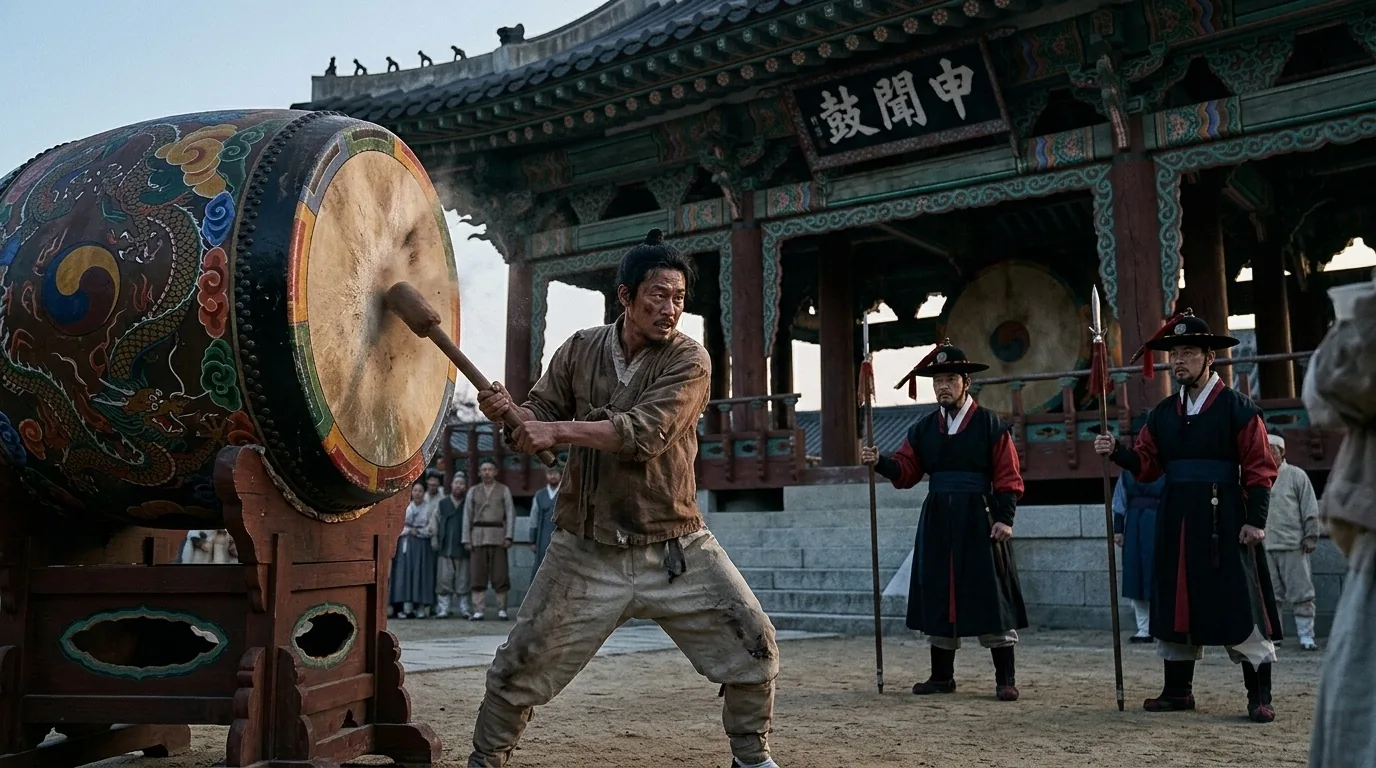 Mr. Kim, Explained: If Your Daughter Vanished in Joseon Korea, Who Would Look for Her?
 -
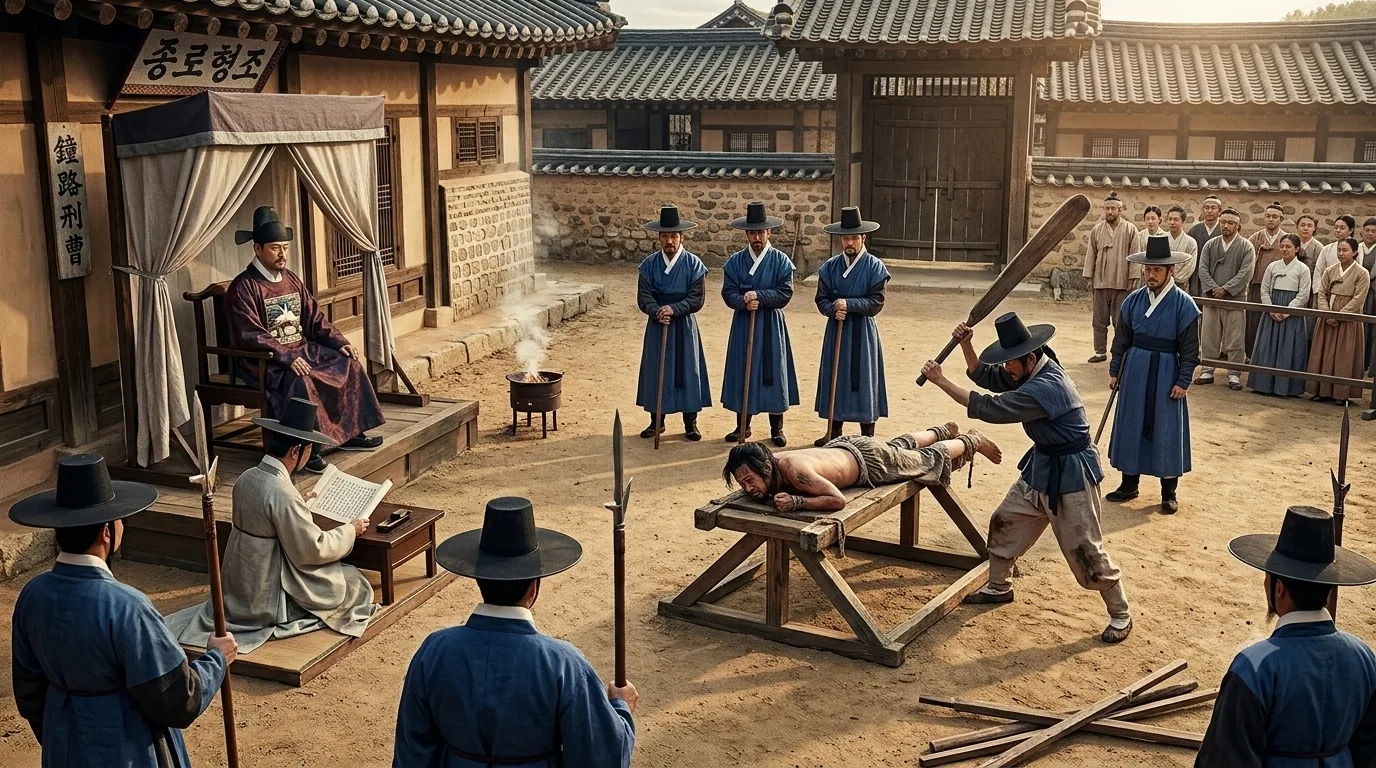 Six Flying Dragons and My Royal Nemesis, Explained: How Joseon Korea Actually Decided a Death Sentence
 -
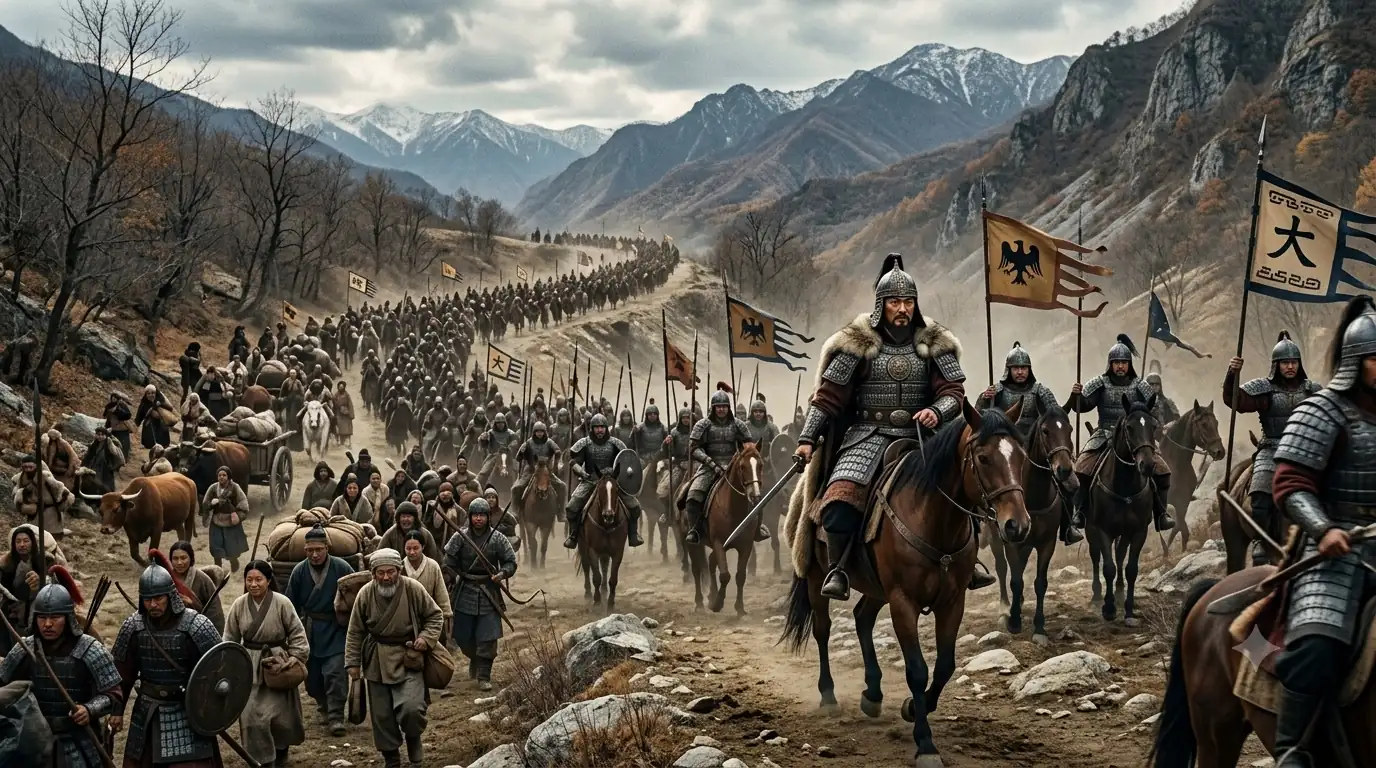 Dae Jo-yeong, Explained: How Goguryeo Refugees Founded Balhae, Thirty Years After Their Kingdom Was Erased
 -
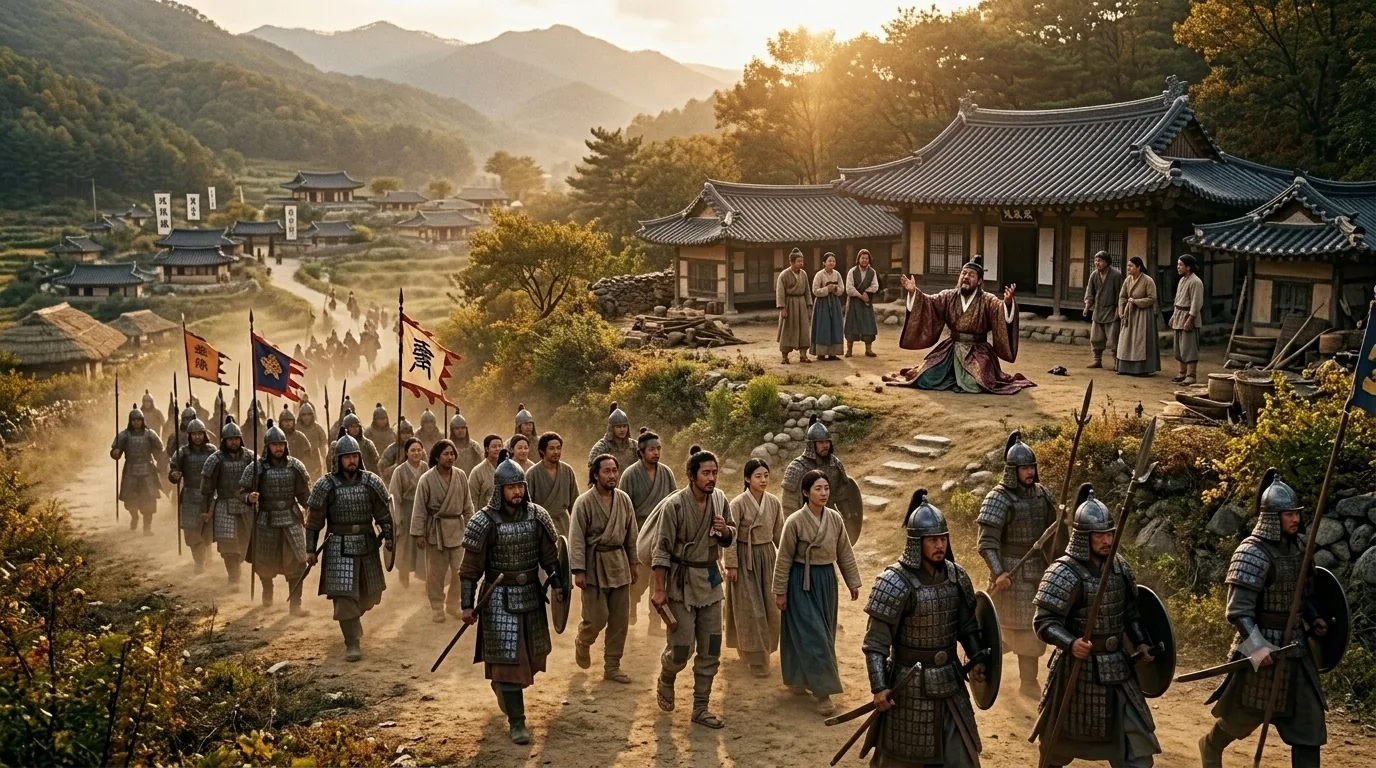 Moon Lovers Explained: How King Gwangjong Used Slave Records to Break Goryeo's Powerful Nobles
 -
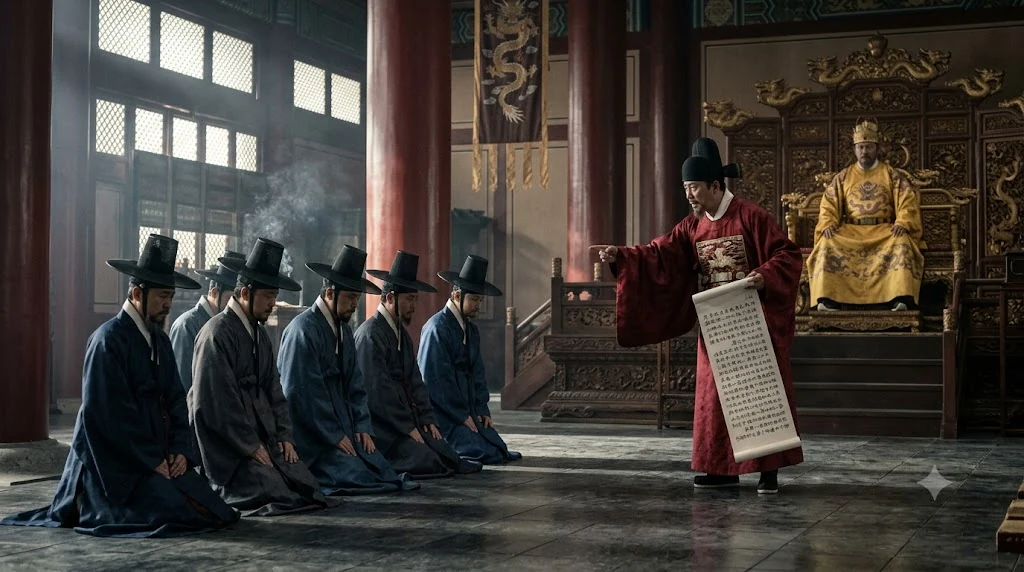 Jeong Do-jeon, Explained: Why Ming China Wouldn't Recognize Korea's New King for Nine Years
 -
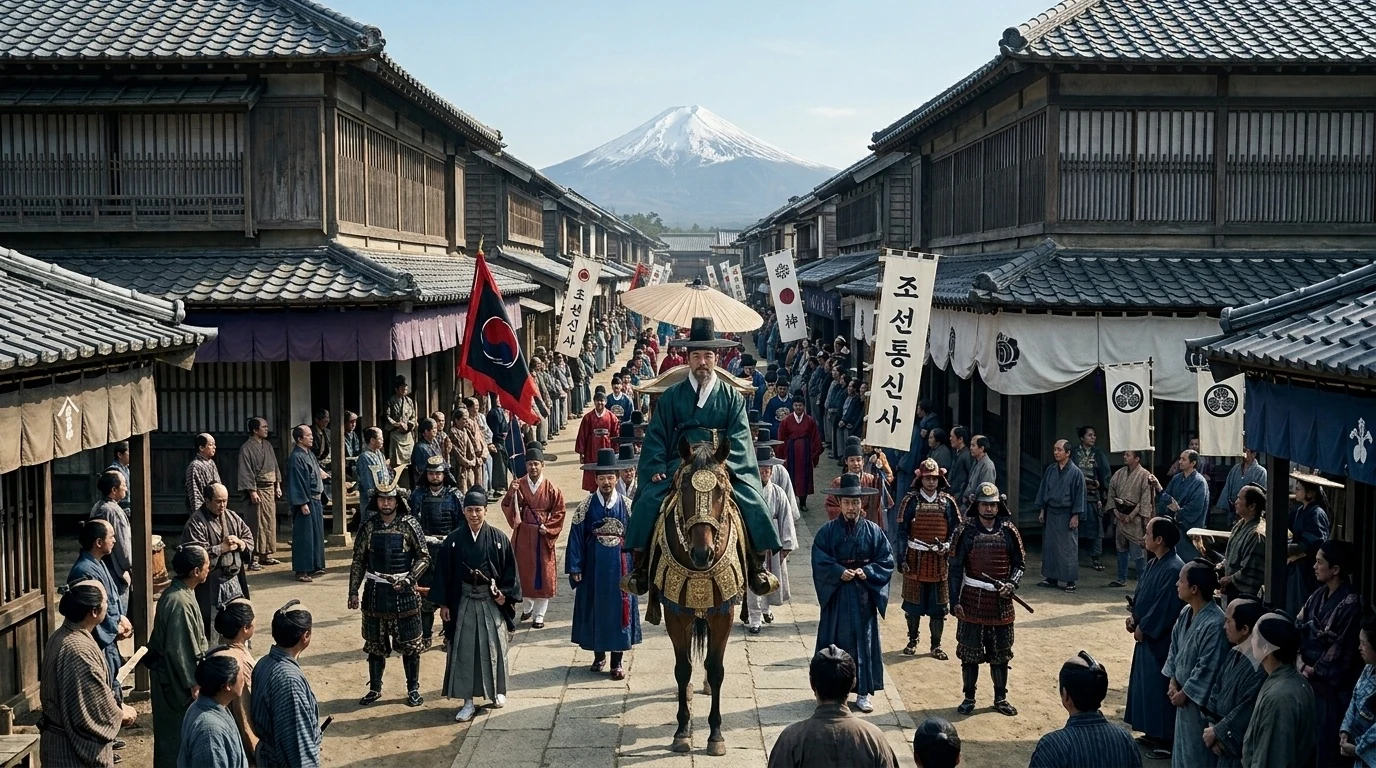 Jing-bi-rok, Explained: How Korea and Japan Went from Seven Years of War to Two Centuries of Tongsinsa Diplomacy
 -
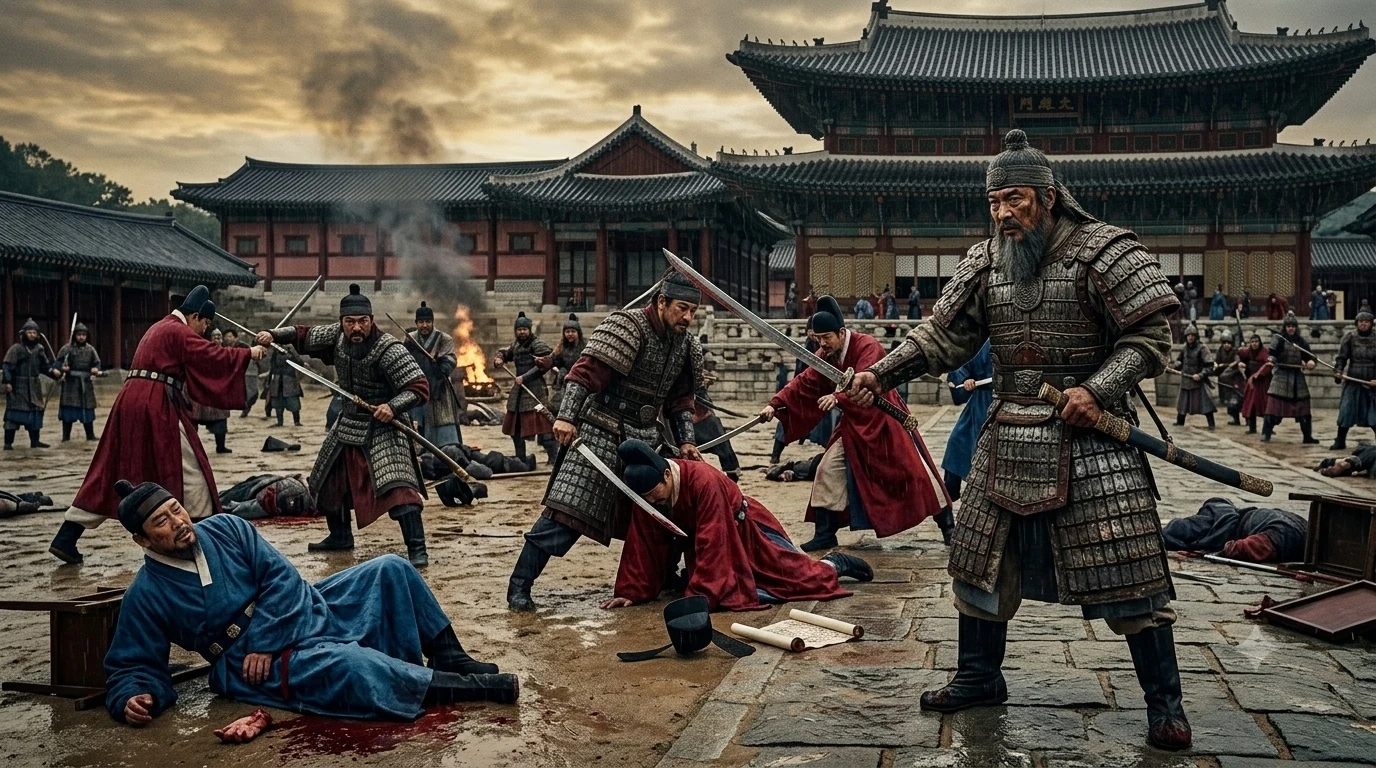 Age of Warriors (무인시대), Explained: The Slap That Didn't Cause Goryeo's Military Coup
 -
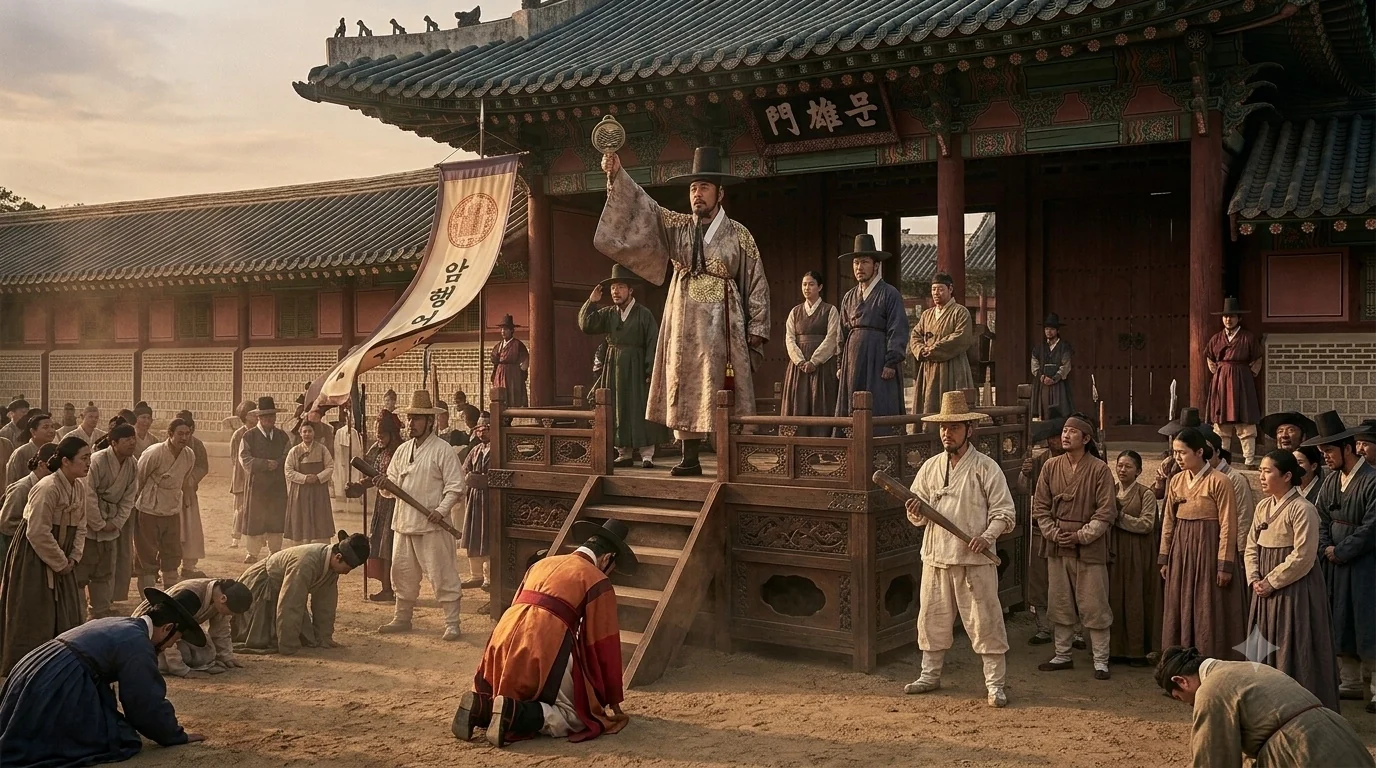 Secret Royal Inspector & Joy, Explained: What a Joseon Inspector Actually Did After Shouting 'Chuldu!'
 -
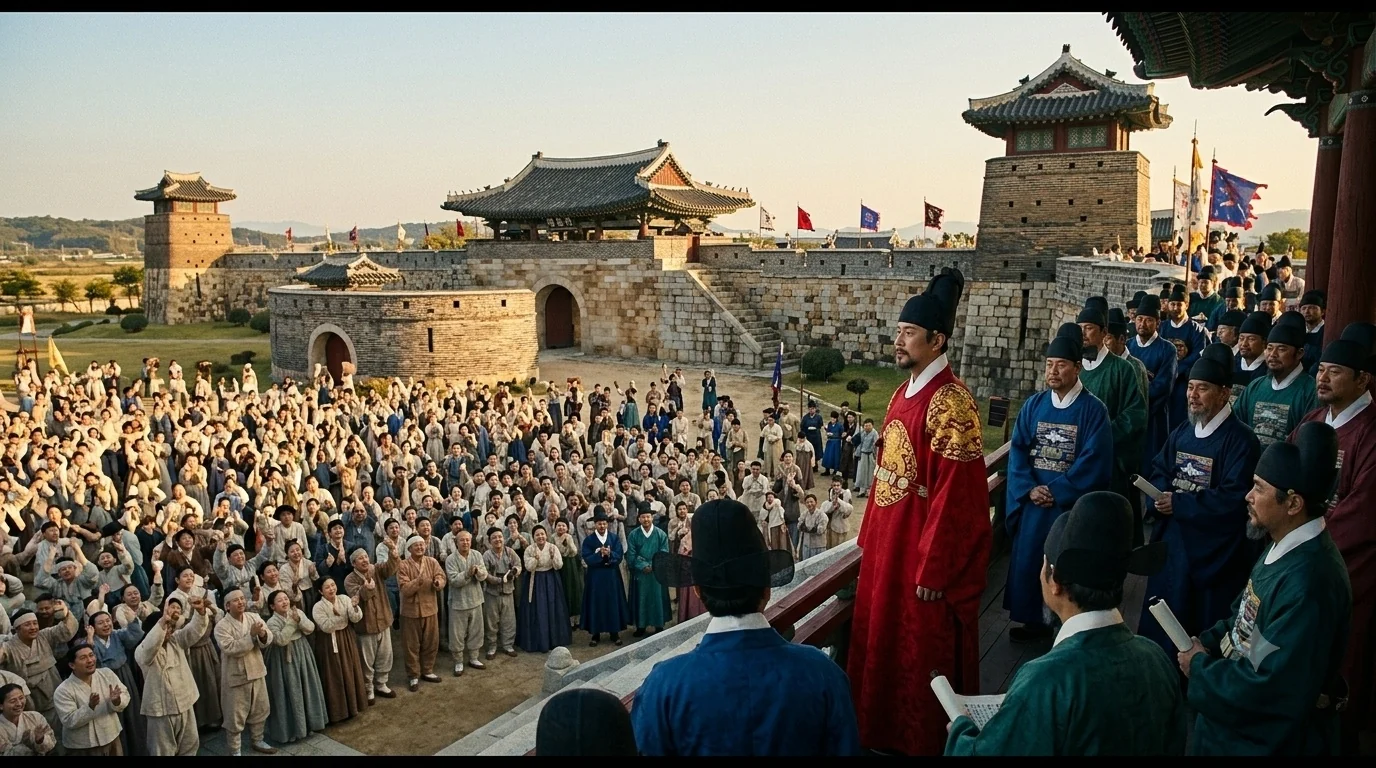 MBC's Lee San, Explained: What 'I Am the Son of Crown Prince Sado' Really Meant
 -
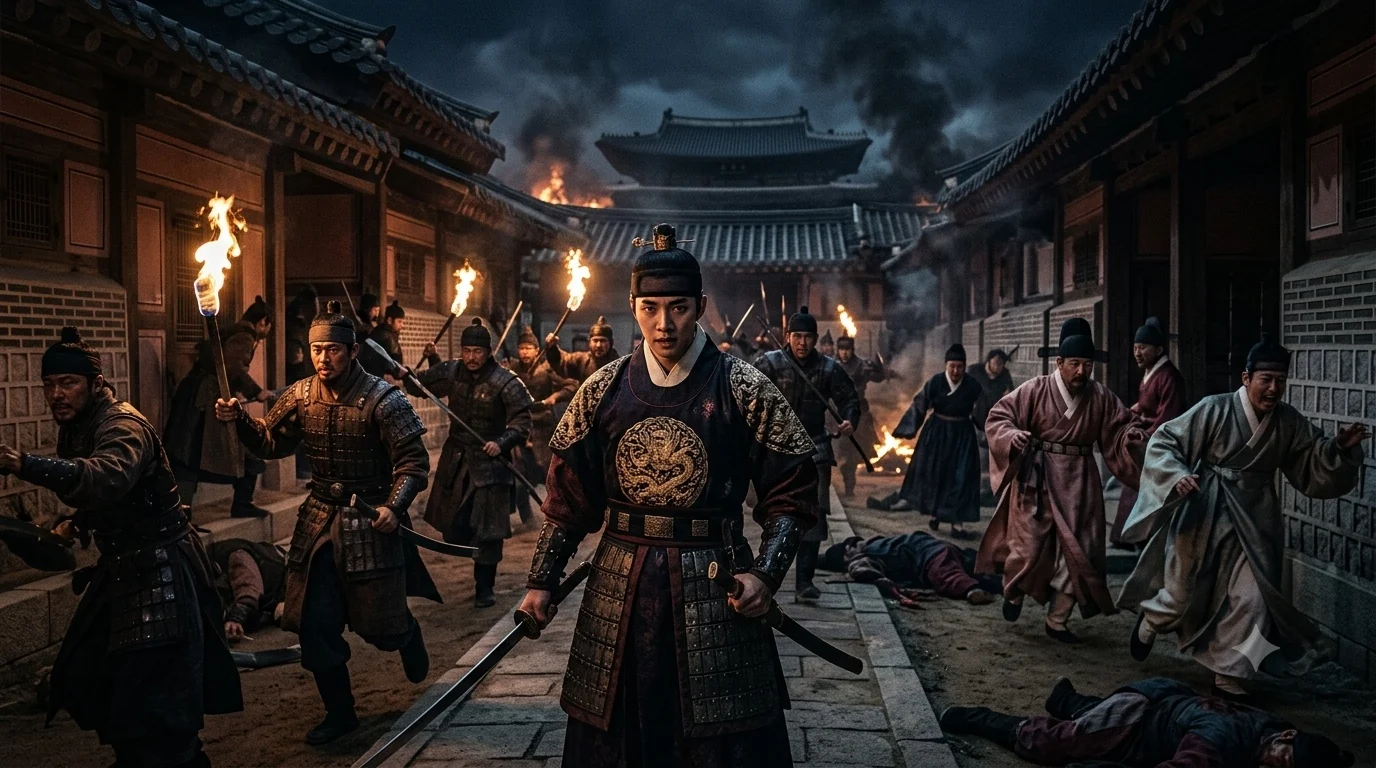 KBS's The King of Tears, Lee Bang-won, Explained: Why Yi Bang-won Killed Two Half-Brothers — but Spared the Brother Who Attacked Him
 -
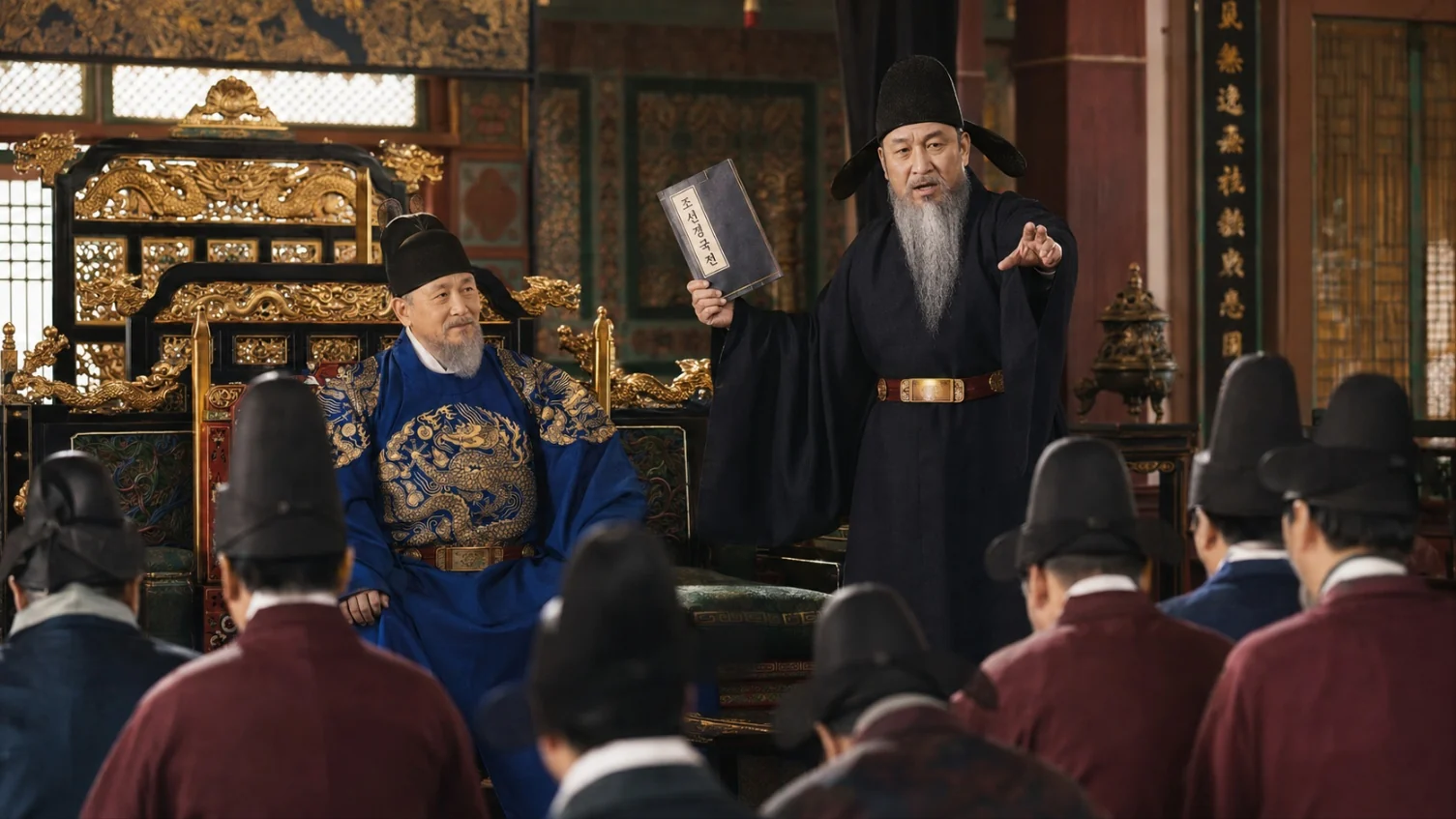 Jeong Do-jeon, Explained: Could a Powerful Chief Minister Protect Joseon From a Bad King?
 -
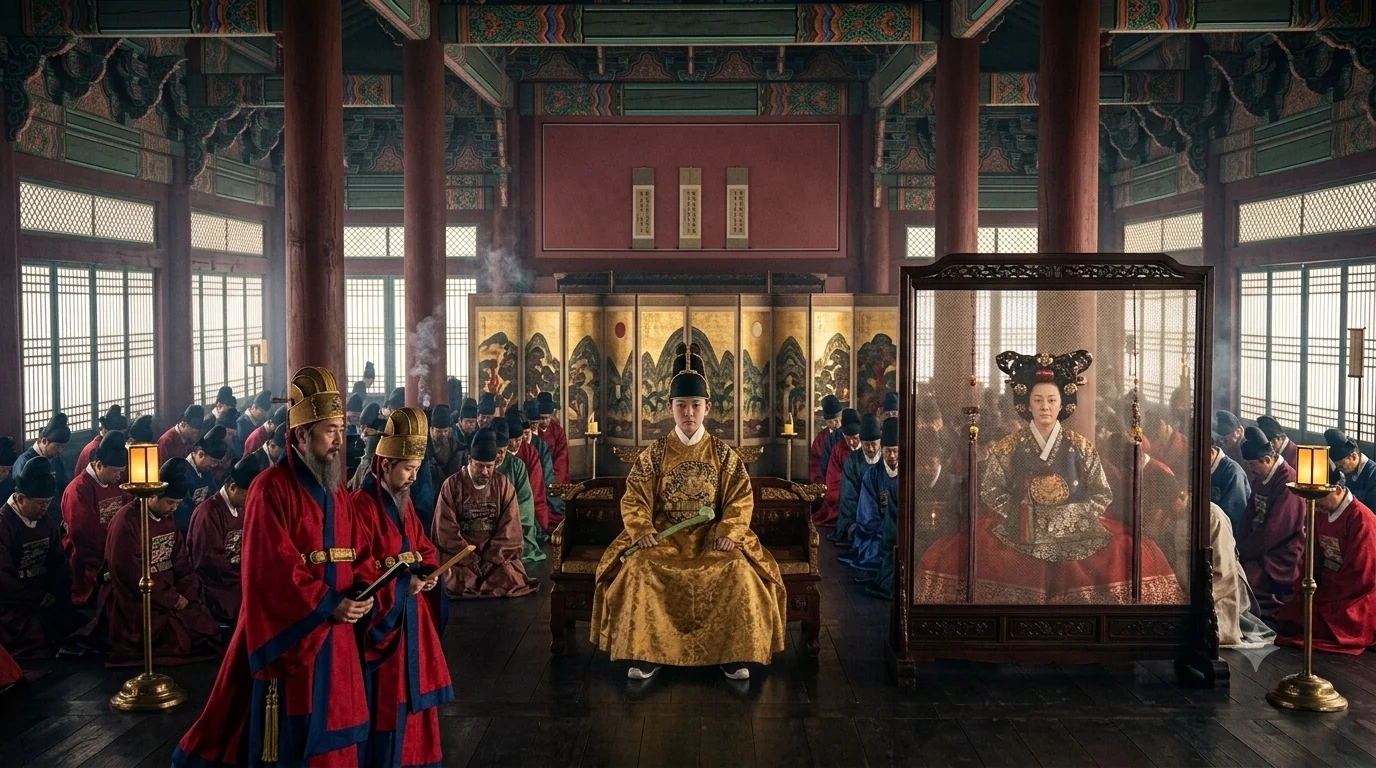 Netflix's Mr. Queen, Explained: Why Did Joseon's Queen Dowagers Rule From Behind a Screen?
 -
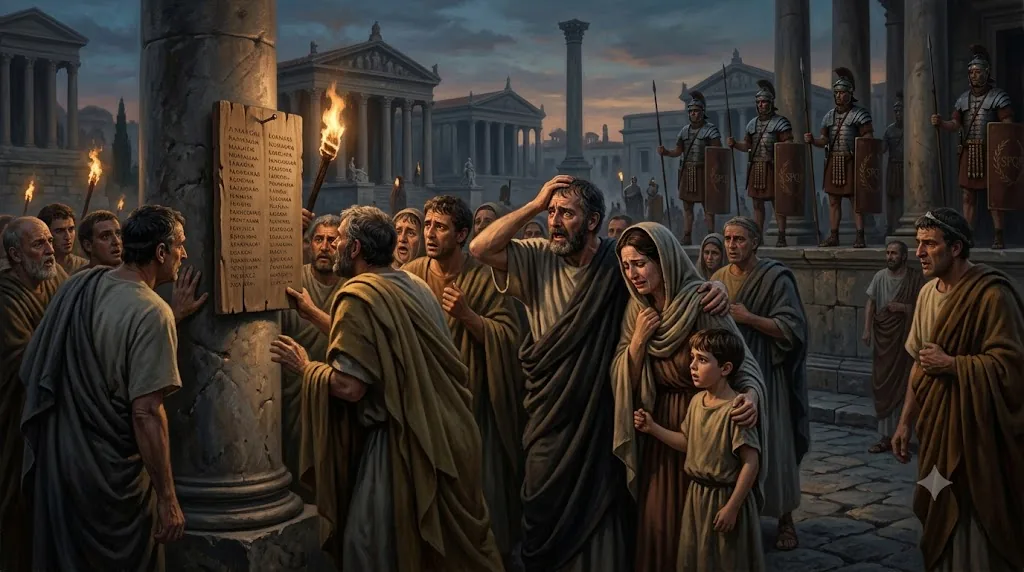 Bloody Heart, Explained: Did Ancient Rome Have a Version of Joseon's Yeonjwaje?
 -
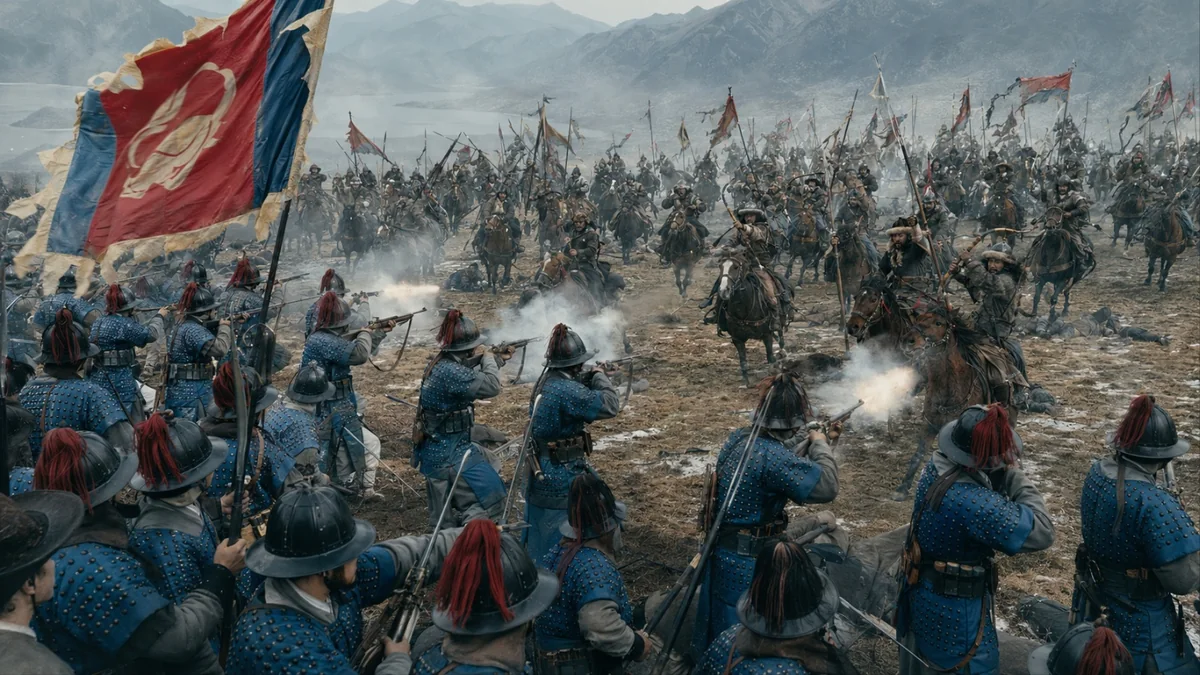 Masquerade, Explained: Why Refusing to Pick a Side Between Two Empires Cost a Korean King His Throne
 -
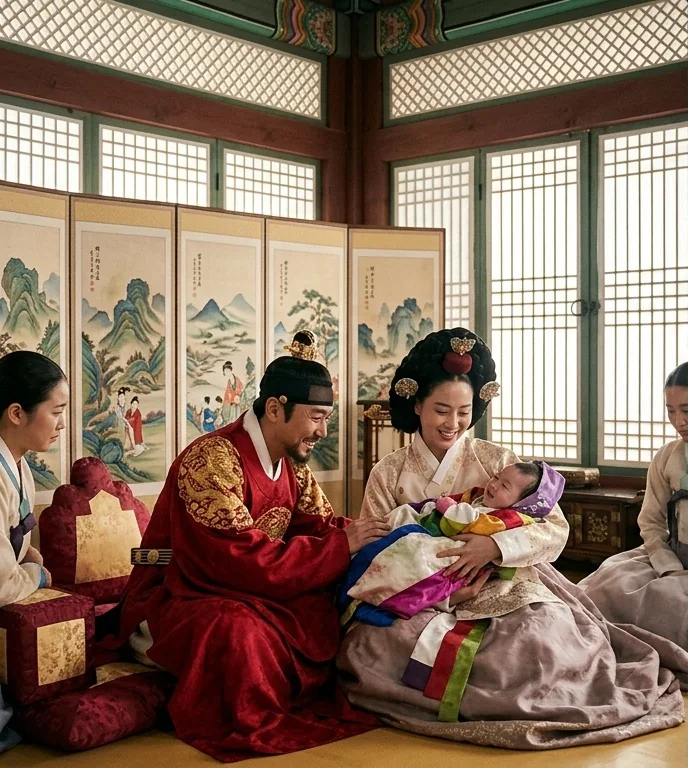 Jang Ok-jung, Explained: Why Could a King Flip an Entire Government Overnight?
 -
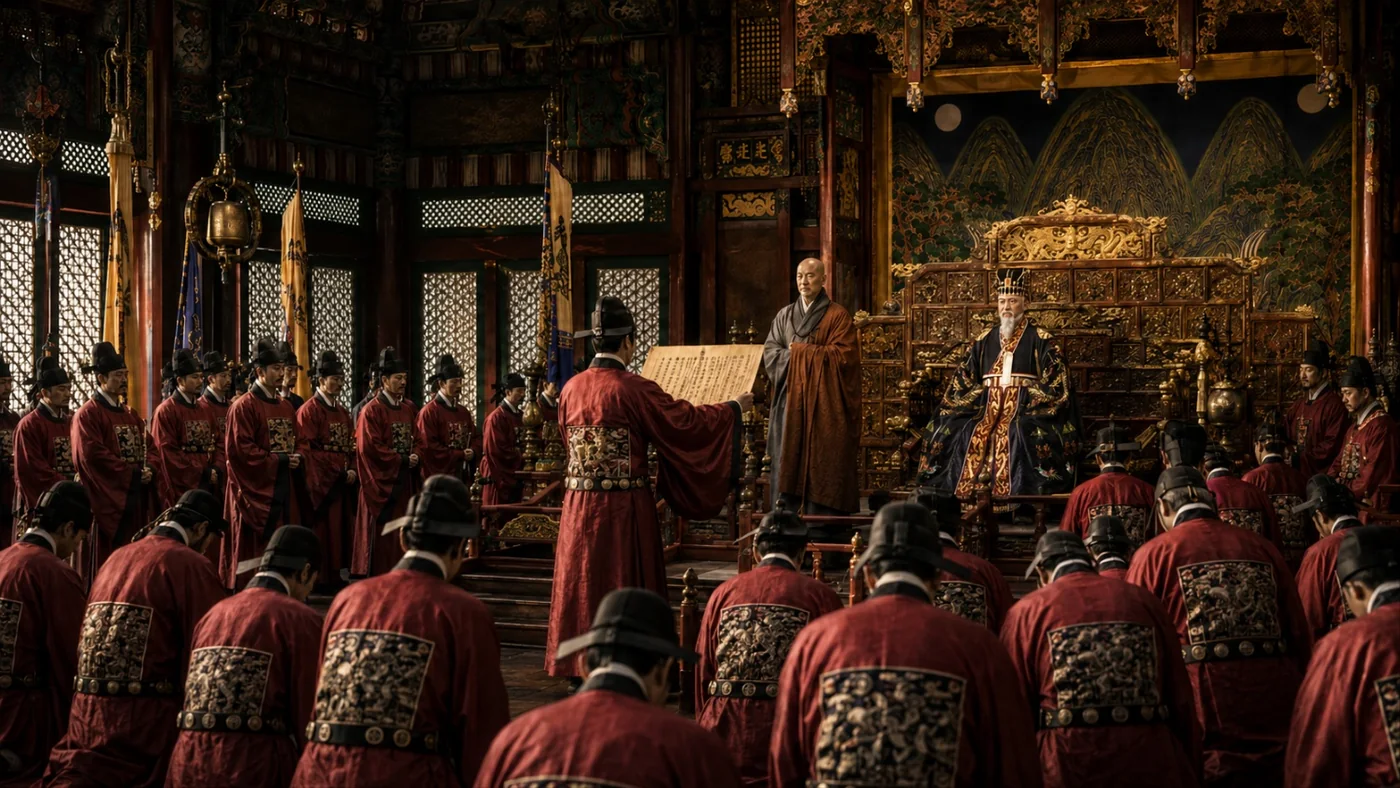 Shin Don, Explained: Why King Gongmin Gave Power to the Monk Who Took On Goryeo's Nobles
 -
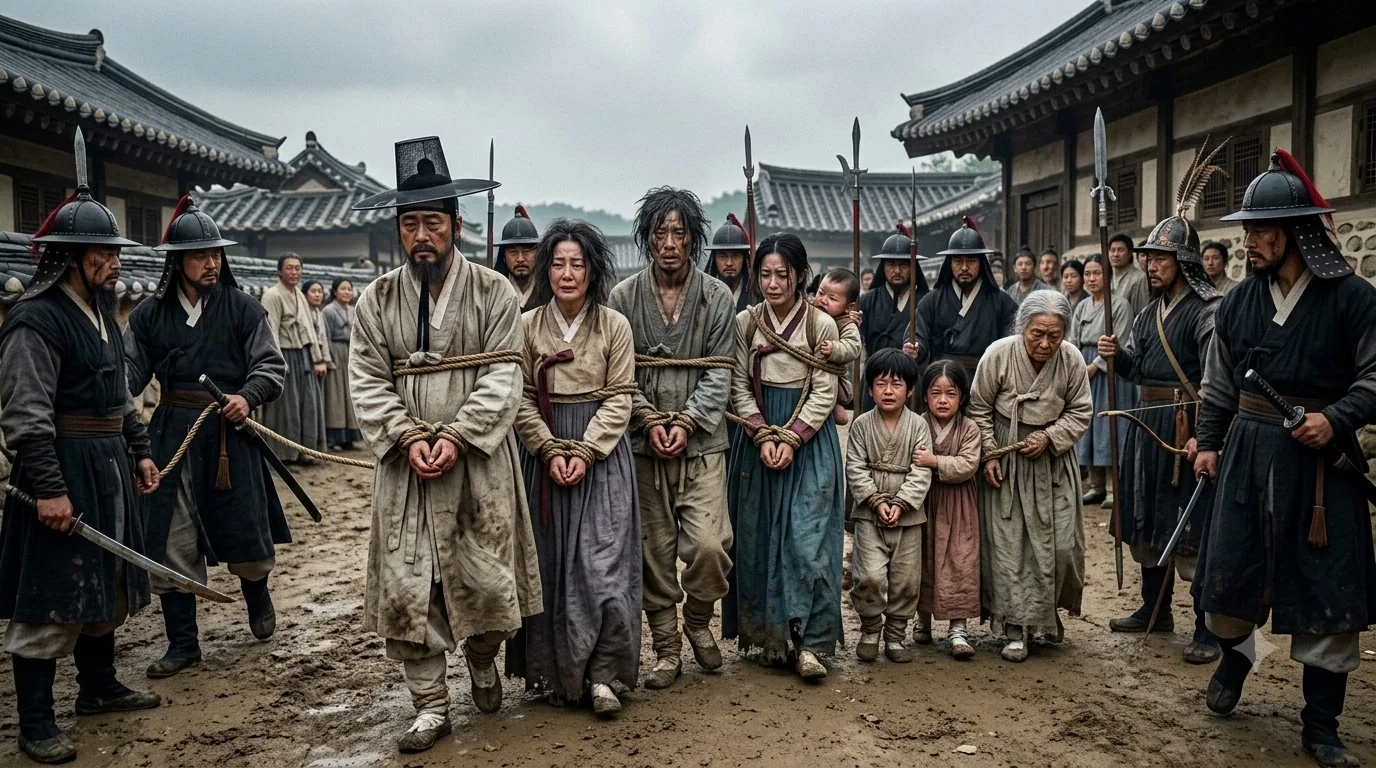 Bloody Heart, Explained: Yeonjwaje, the Joseon Law That Could Destroy a Traitor's Whole Family
 -
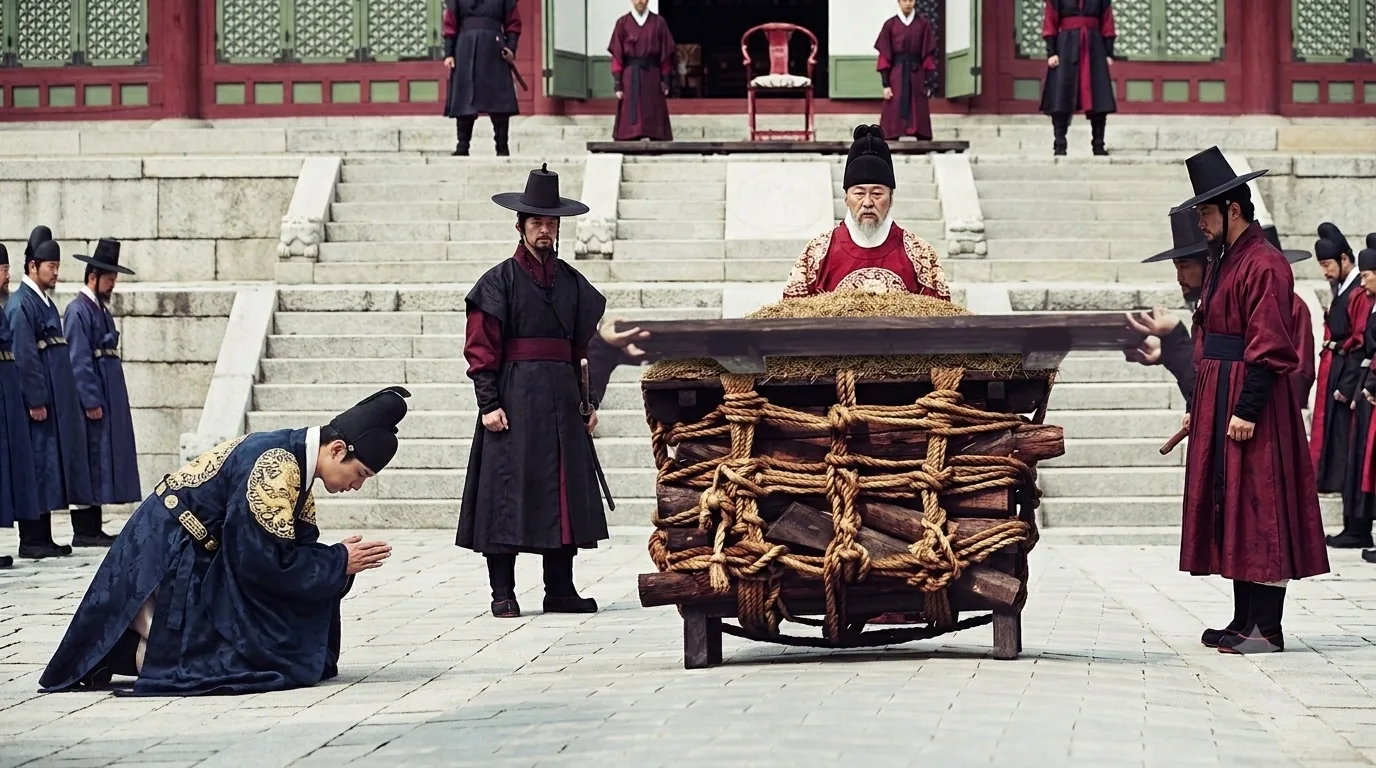 Why Prince Sado Died in a Rice Chest: Joseon's Most Shocking Royal Tragedy
 -
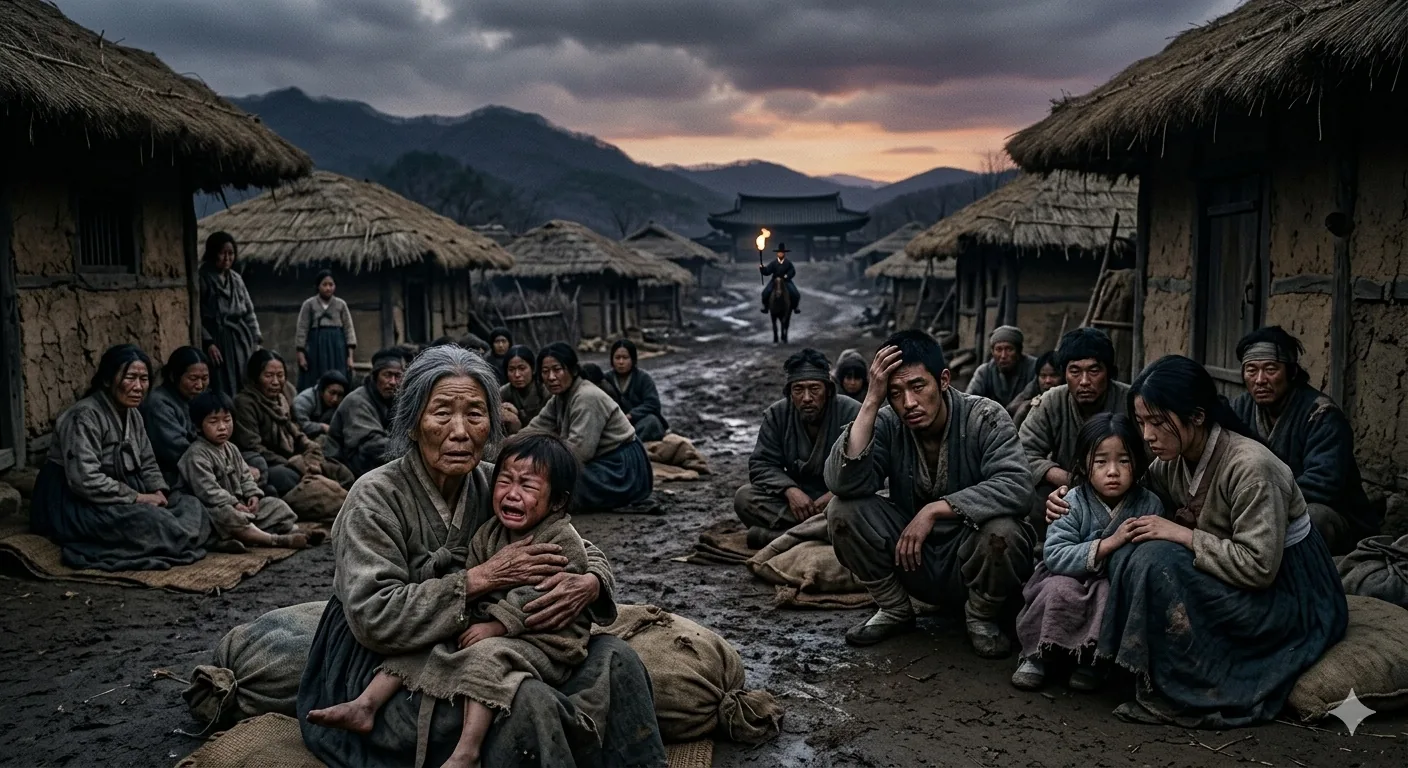 Netflix's Kingdom, Explained: Why Hunger, Not Zombies, Is the Real Monster