Women’s Lives
Court ladies, gisaeng, physicians, historians — women’s real place in Korean history, beyond the romance.
K-dramas keep discovering remarkable Korean women: a palace cook who becomes a royal physician, a gisaeng poet who out-writes the aristocracy, a young woman who talks her way into the all-male corps of court historians. Viewers often assume these are modern inventions pasted onto the past. Mostly they are not. Dae Jang-geum appears in the real royal records; Hwang Jini’s poems survive; female historians were genuinely debated at court. The fiction exaggerates, but the kernel is documentary.
The harder truth is what surrounded those exceptions. Most Joseon women appear in the records without personal names — someone’s daughter, someone’s wife. Chastity was institutionalised to the point of a cult, remarriage could bar a woman’s sons from office, and palace women lived under rules that followed them out of the palace gates. Yet within those walls women ran hospitals for women, managed vast household economies, dove for a living on Jeju, and — in the case of one Jeju merchant — funded famine relief on a scale the state itself acknowledged.
These posts read the dramas against the records: where the romance flatters the past, where it flattens it, and where the truth is more dramatic than anything a writers’ room dared invent.
-
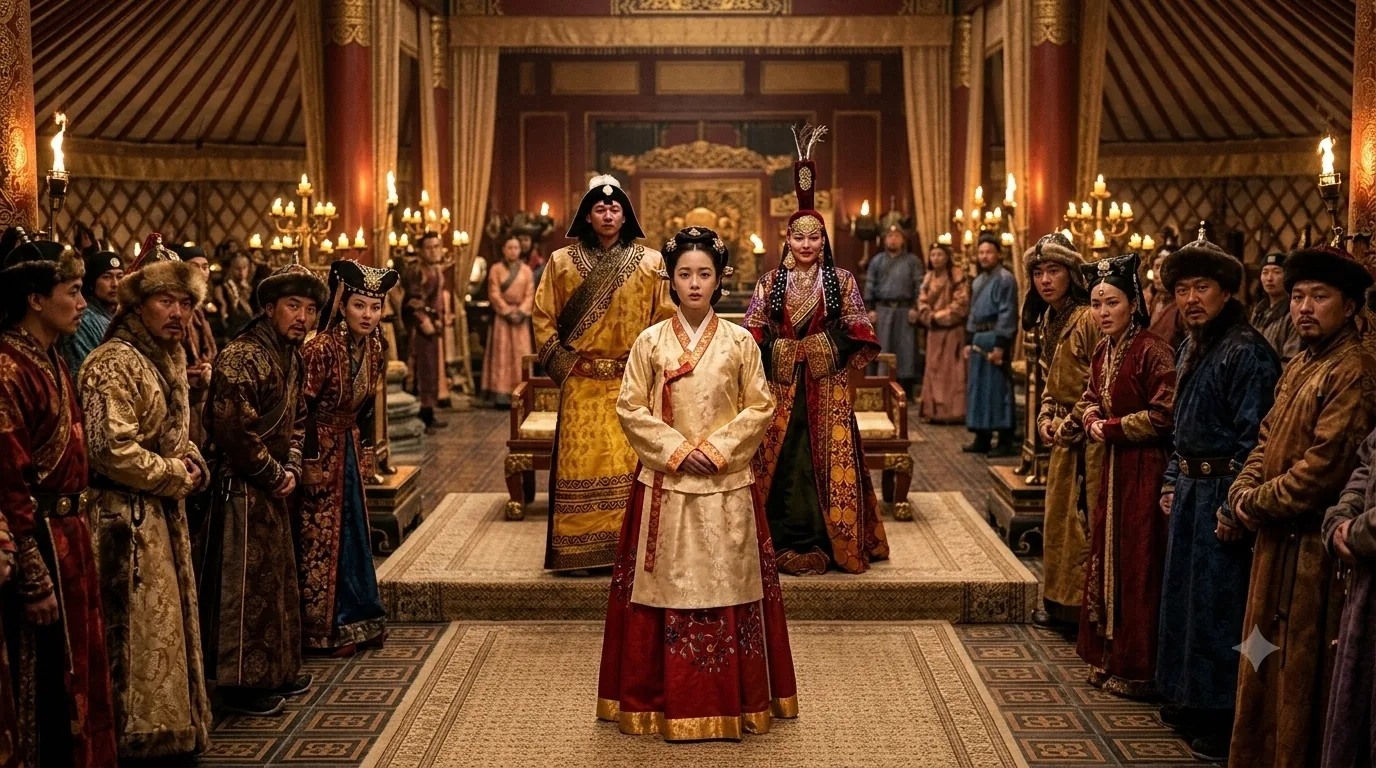 Empress Ki and Goryeoyang: Goryeo Fashion at the Yuan Court
 -
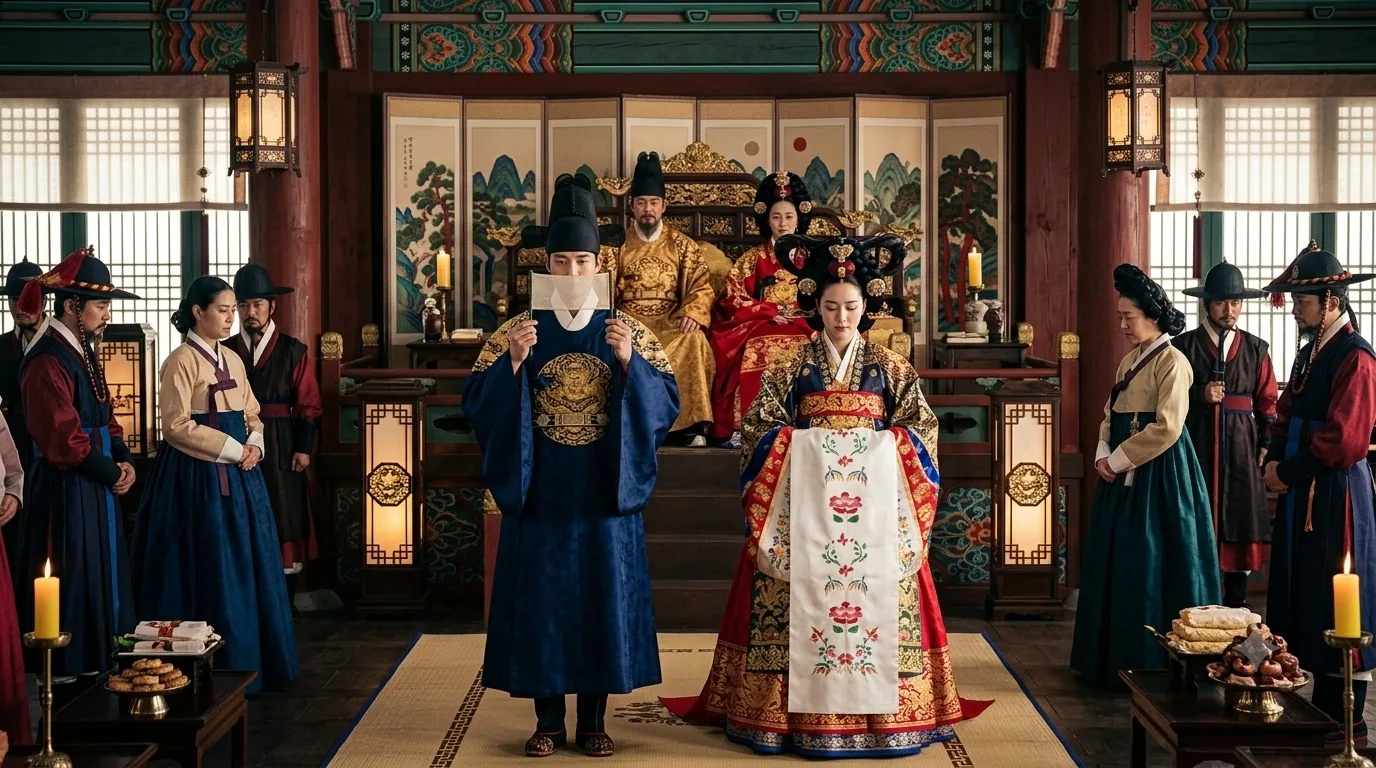 What Was a Daegunbuin? Perfect Crown and How Joseon Filed Its Royal Women
 -
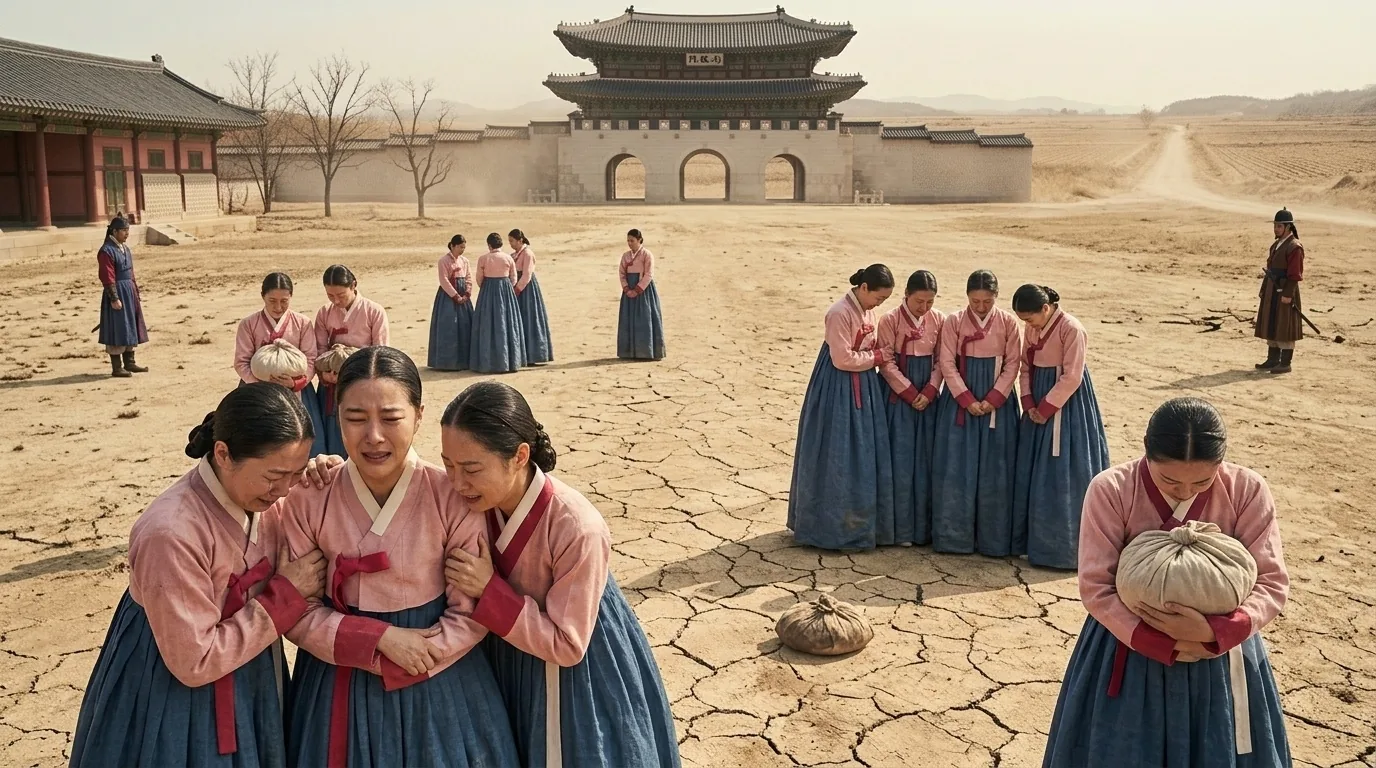 What Happened to a Joseon Gungnyeo After She Left the Palace?
 -
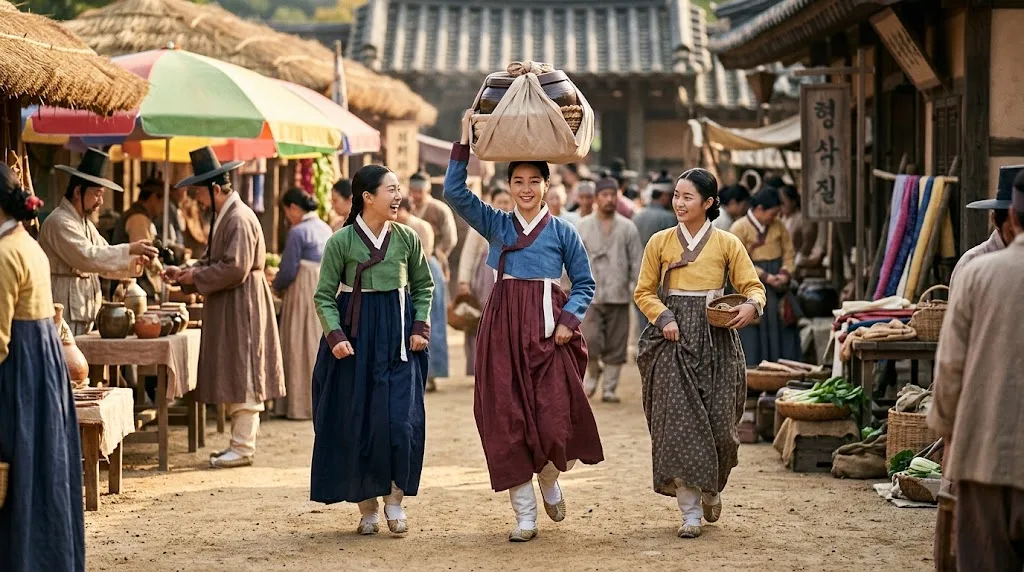 Netflix's Mr. Sunshine, Explained: Why Joseon Never Bound Its Women's Feet — and What It Controlled Instead
 -
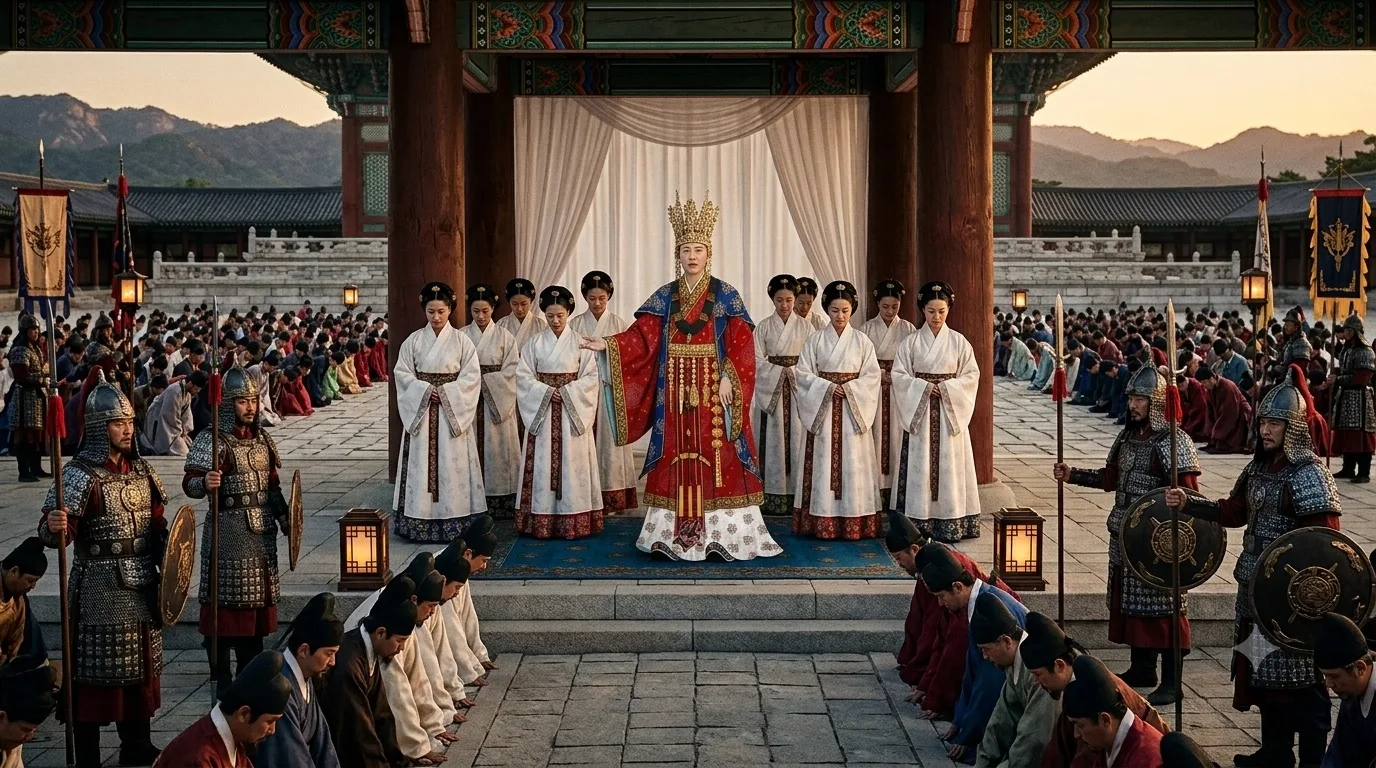 Queen Seondeok, Explained: How Silla Put a Woman on the Throne in the Seventh Century
 -
 Agent Kim Reactivated, Explained: How Korea Went from Son Preference to “Daughter Fool” Dads
 -
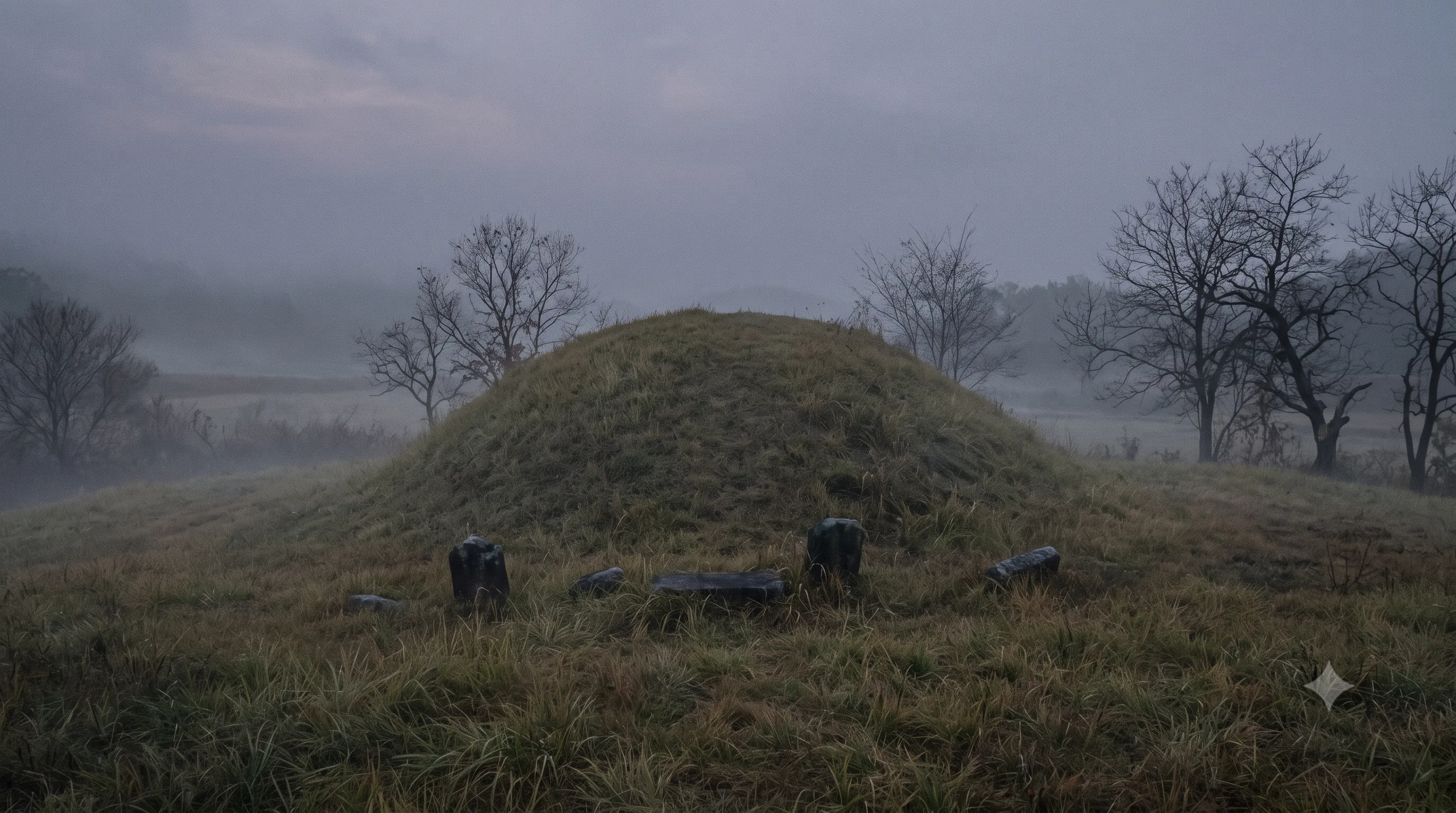 Is Empress Ki Buried in Korea? The Mystery of the Yeoncheon Tomb Site
 -
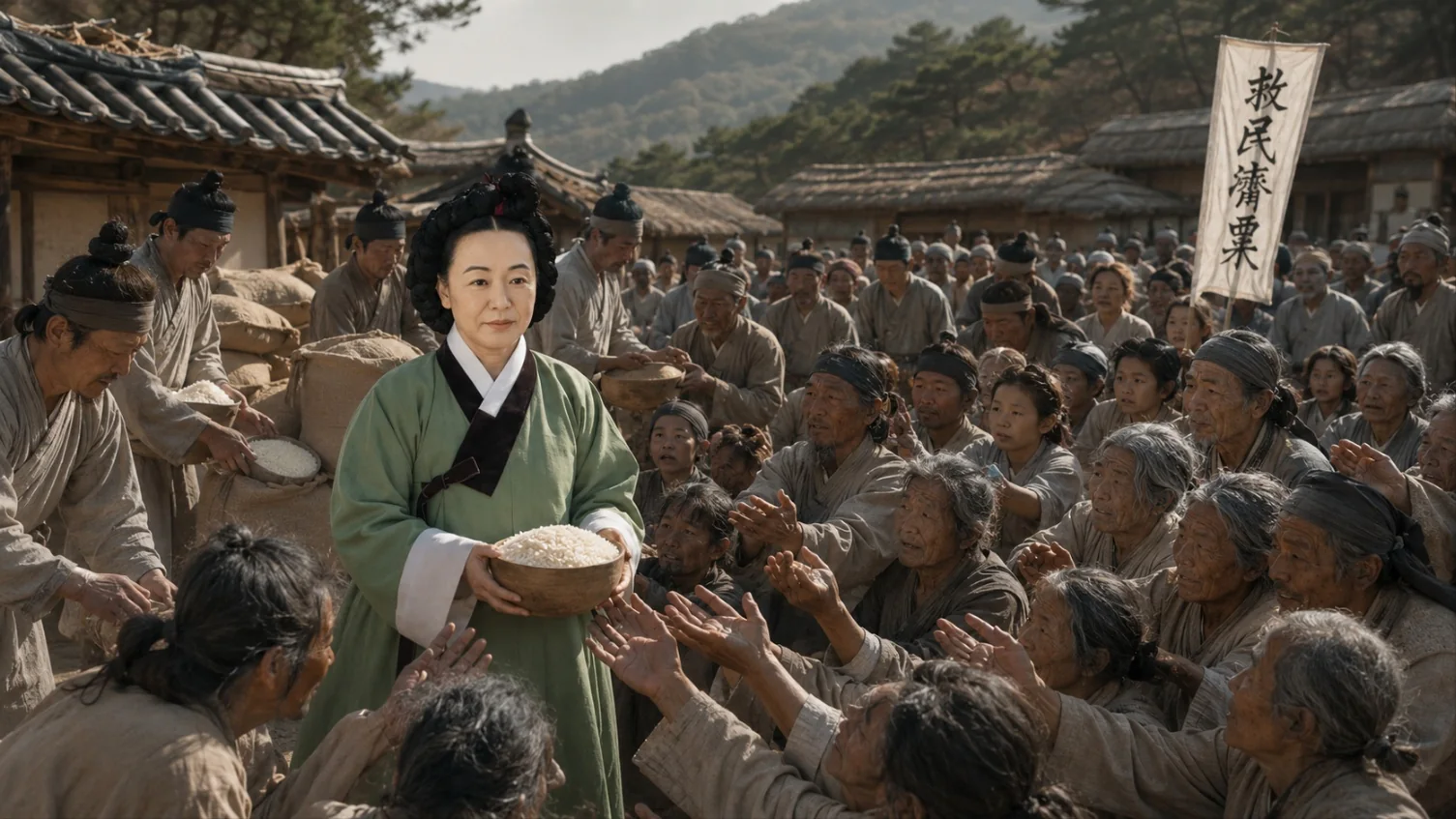 Kim Man-deok, Explained: How a Former Gisaeng Became Jeju's Legendary Merchant
 -
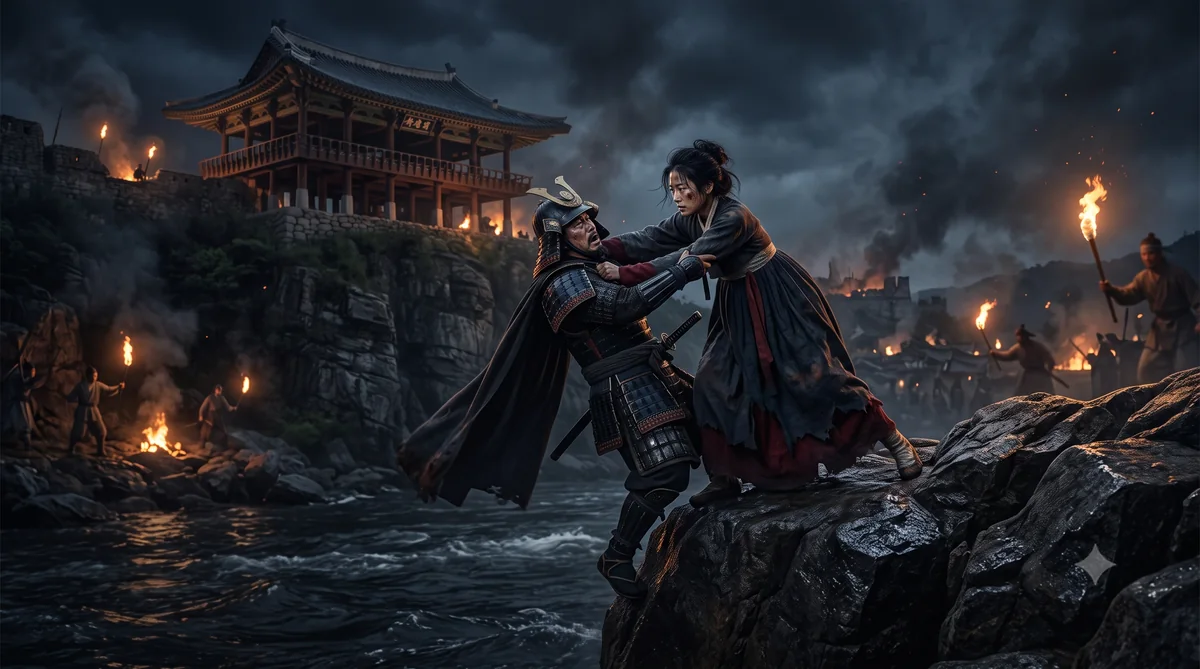 Nongae, Explained: Did a Gisaeng Really Pull a Japanese Commander to His Death at Jinju?
 -
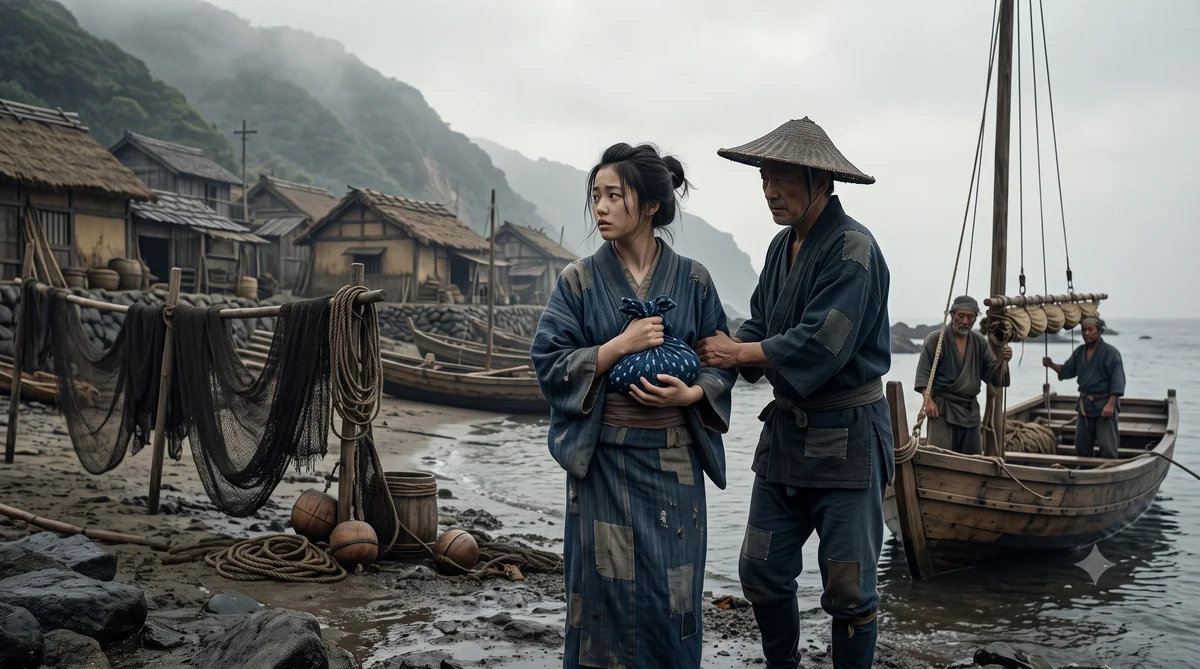 My Dearest, Explained: Who Were the Karayuki-san — and Why They Weren't the Japanese Military's 'Comfort Women'
 -
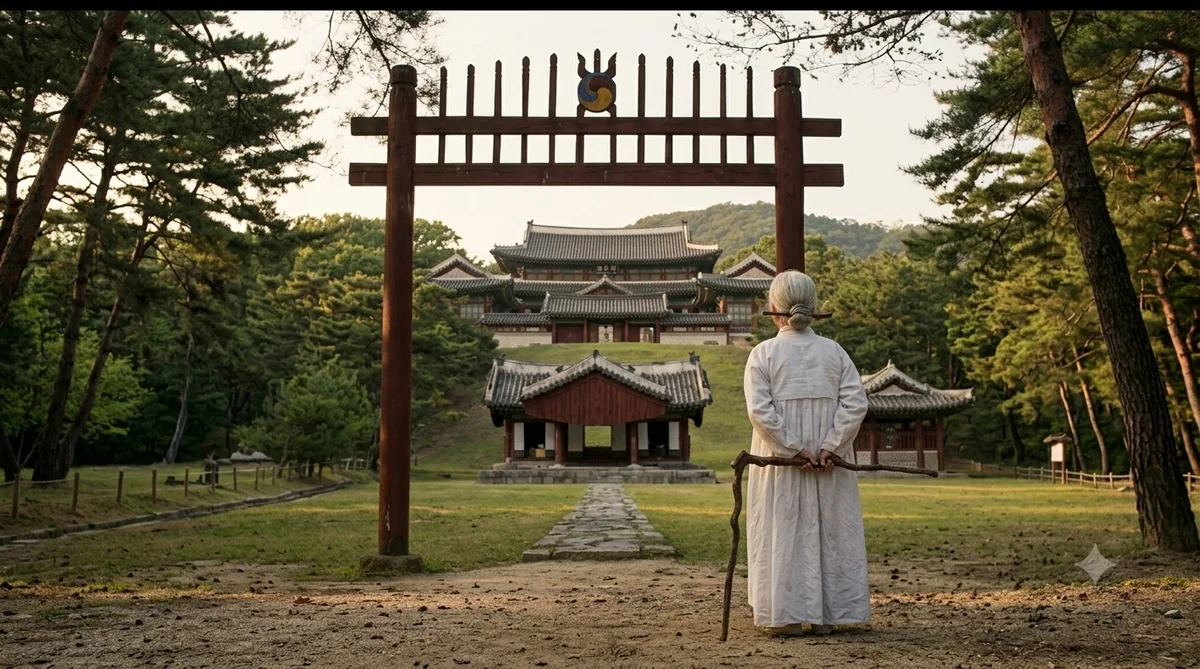 Knight Flower, Explained: Why a Chaste Widow Became One of Joseon's Highest Public Honors
 -
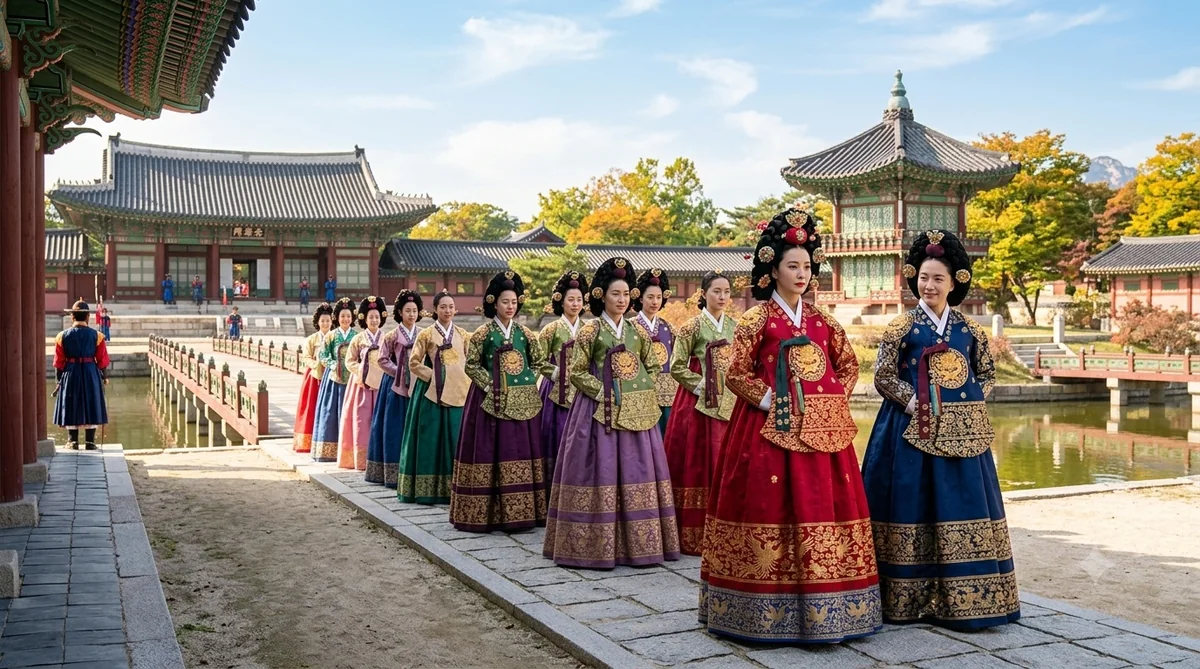 Under the Queen's Umbrella, Explained: Why Joseon Women Had Names — But History Often Erased Them
 -
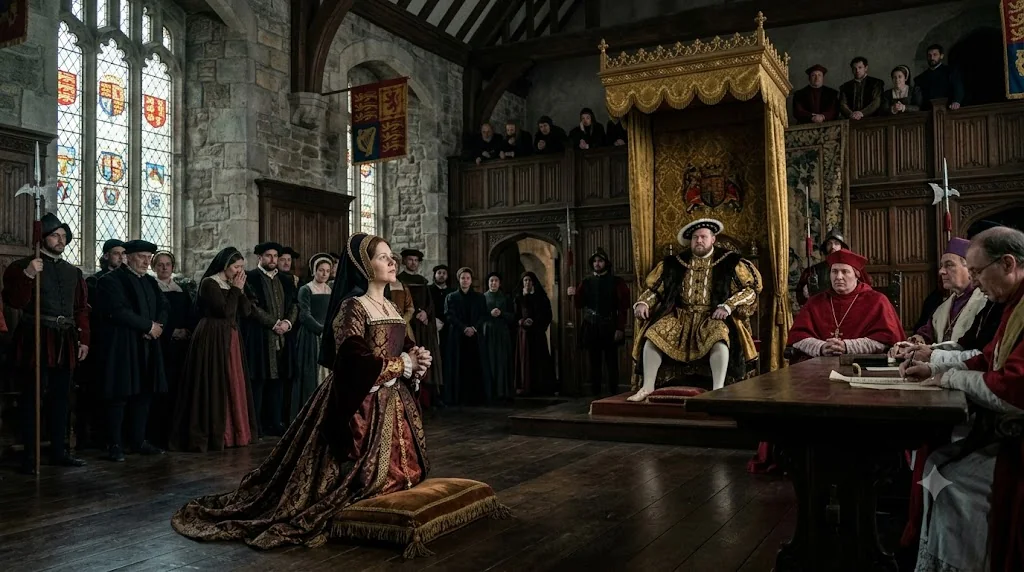 Queen Inhyeon and Catherine of Aragon, Explained: Why a Queen's Fall Could Shake an Entire Kingdom
 -
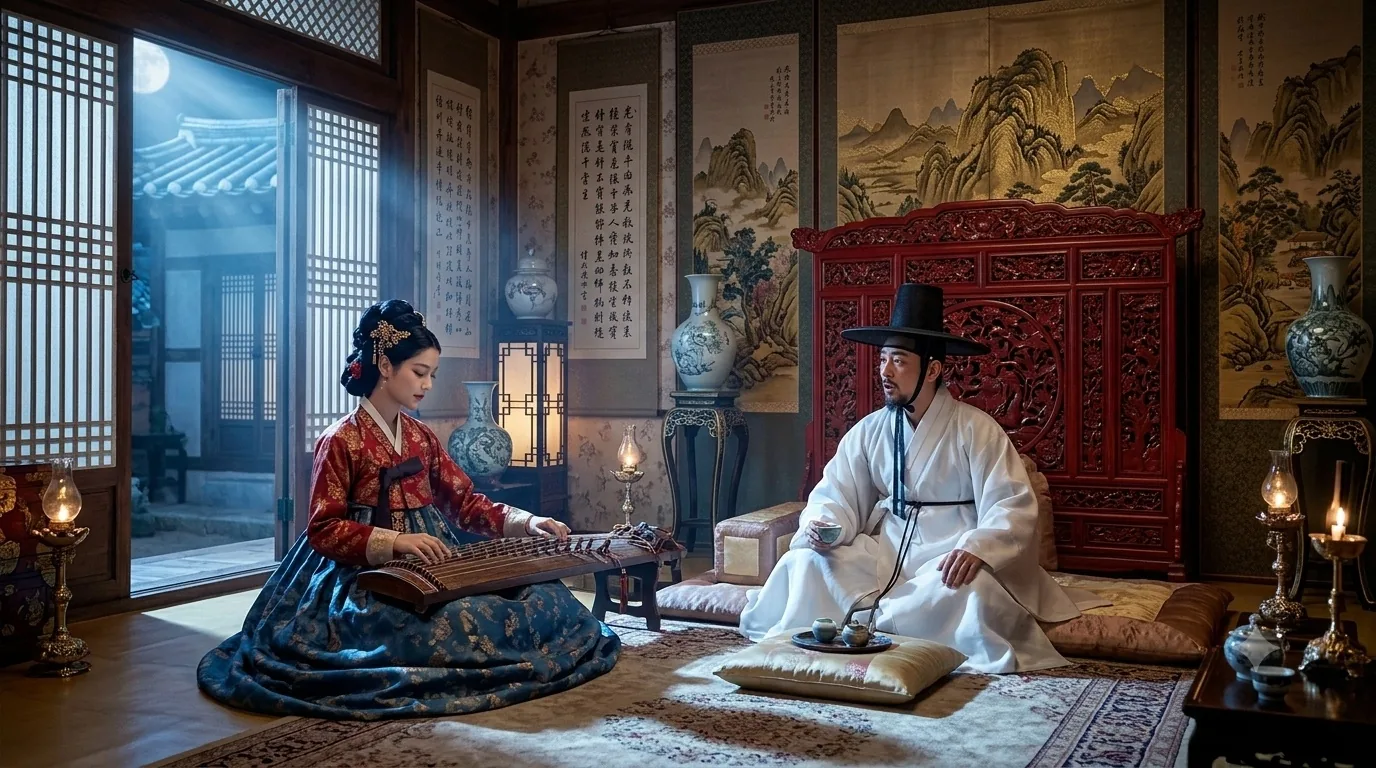 Were Gisaeng Like Geisha? Hwang Jini and the Real History Behind Joseon's Female Entertainers
 -
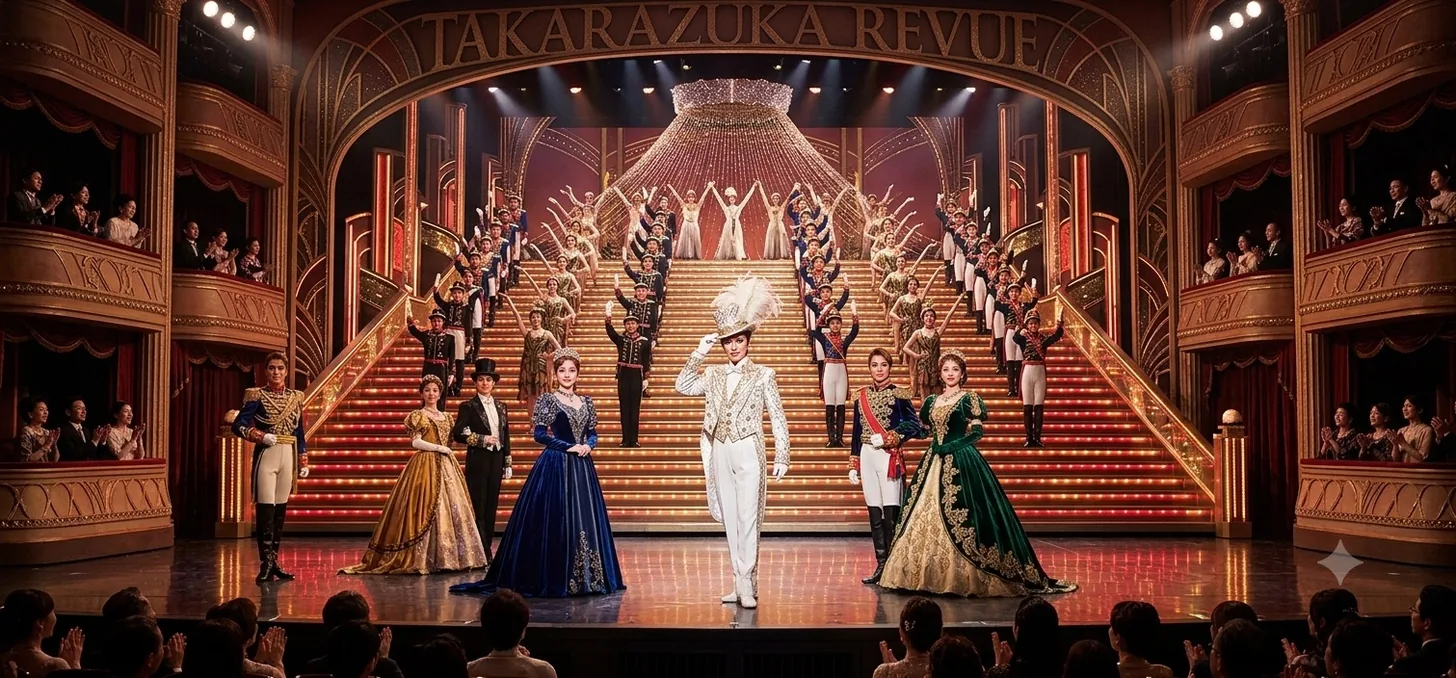 What Is Yeoseong Gukgeuk? Jeong Nyeon & Korea's Lost All-Female Theater, Explained
 -
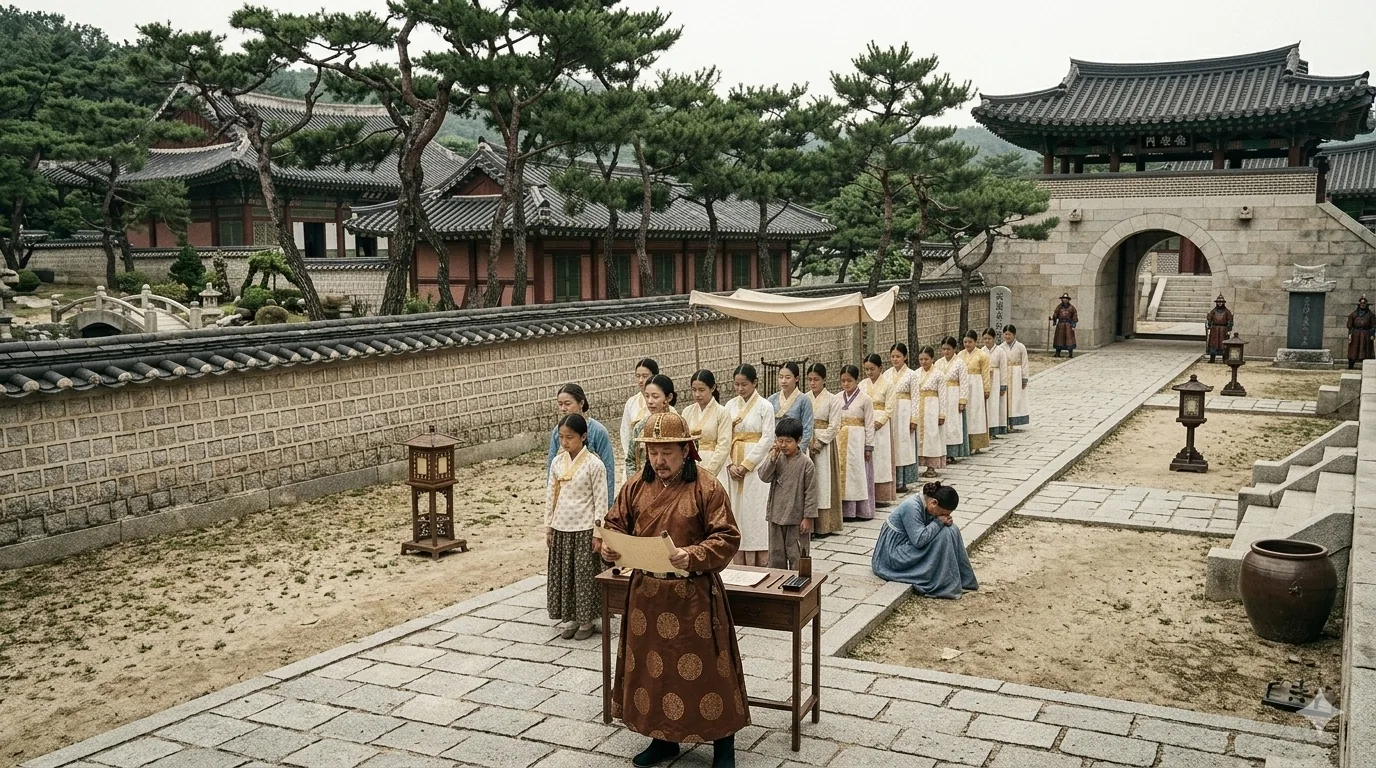 Was Empress Ki Real? Goryeo's Gongnyeo Tribute Women and the Yuan Dynasty, Explained
 -
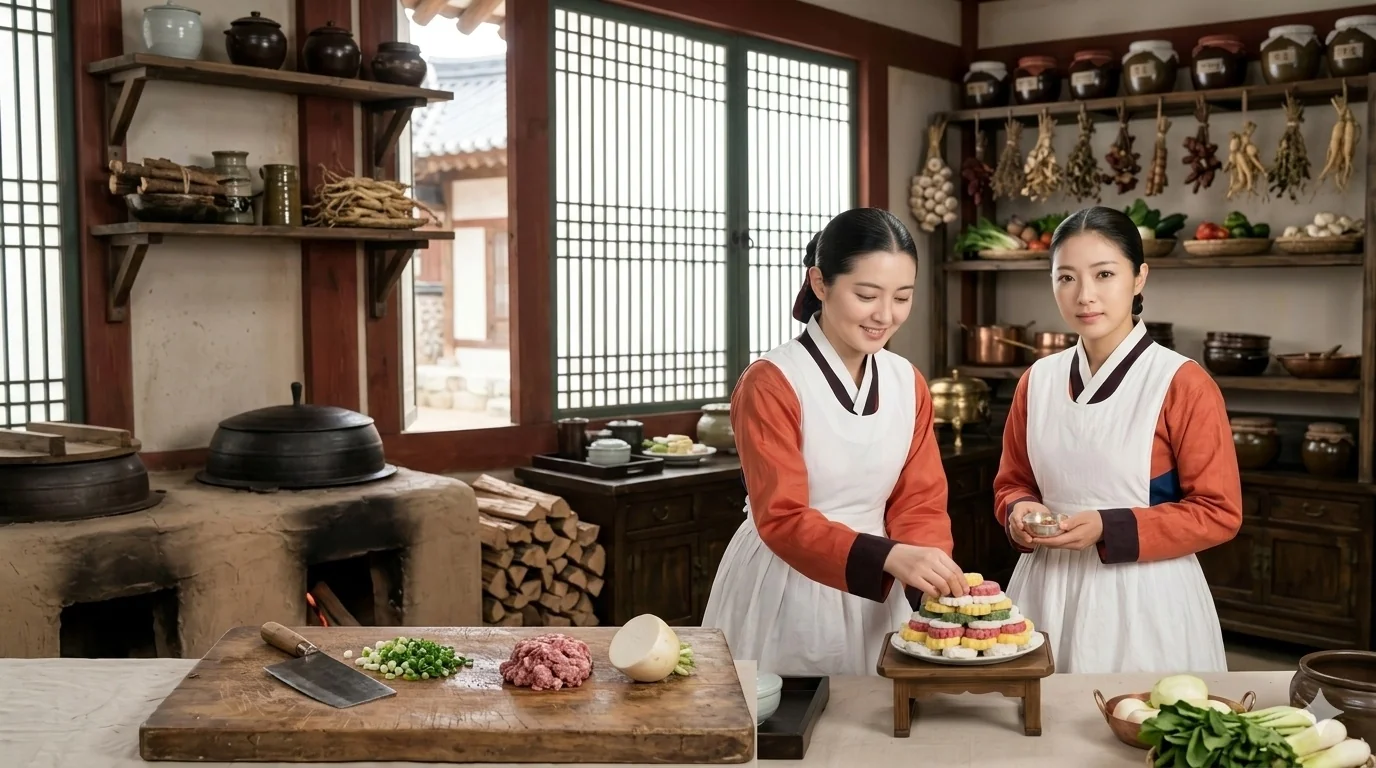 Was Dae Jang Geum Real? Jewel in the Palace and Joseon's Female Physicians, Explained
 -
 Are the Haenyeo in Our Blues & When Life Gives You Tangerines Real? Jeju's Diving Grandmothers, Explained
 -
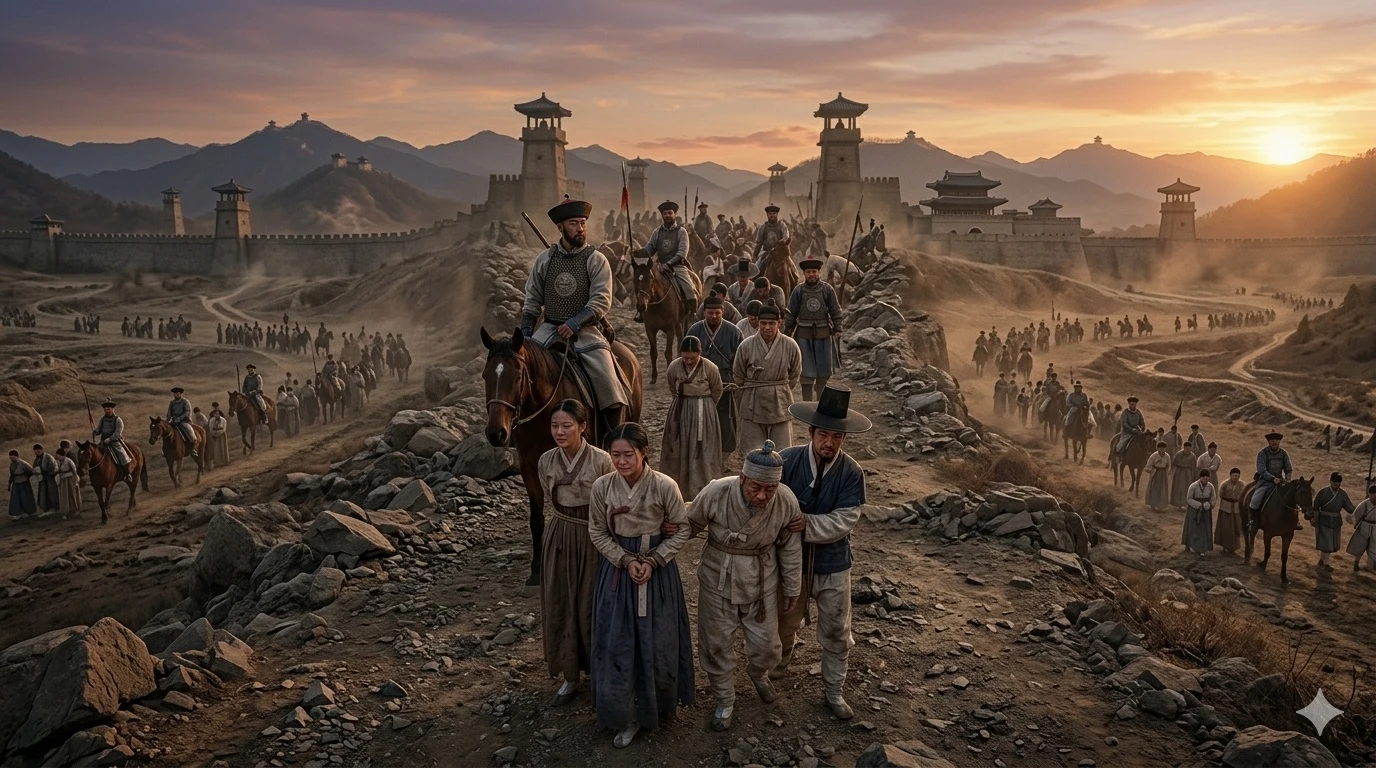 My Dearest, Explained: Why Joseon Punished the Women It Failed to Protect
 -
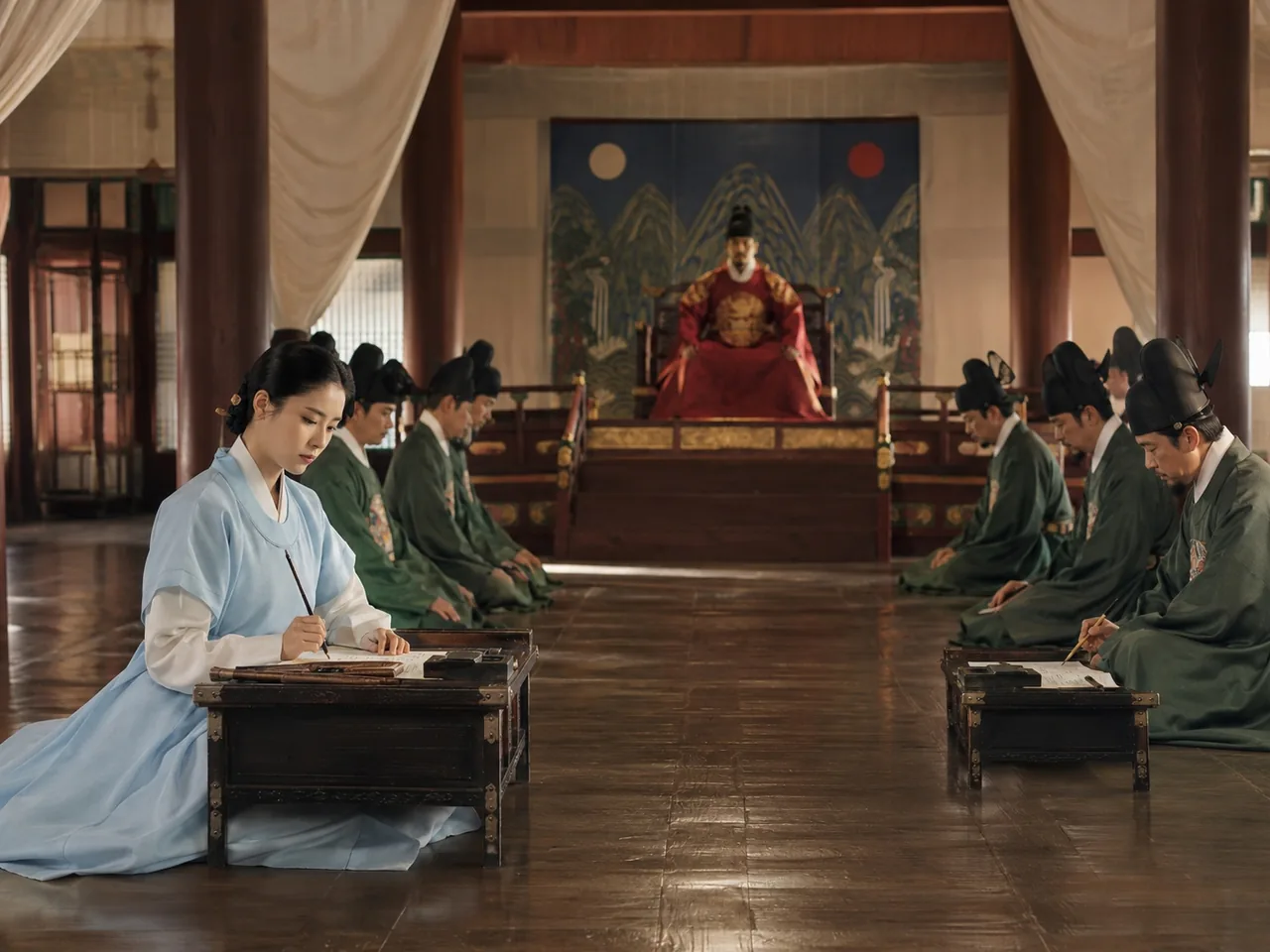 Rookie Historian, Explained: Why Joseon Never Had a Female Court Historian — and What Women Did Instead
 -
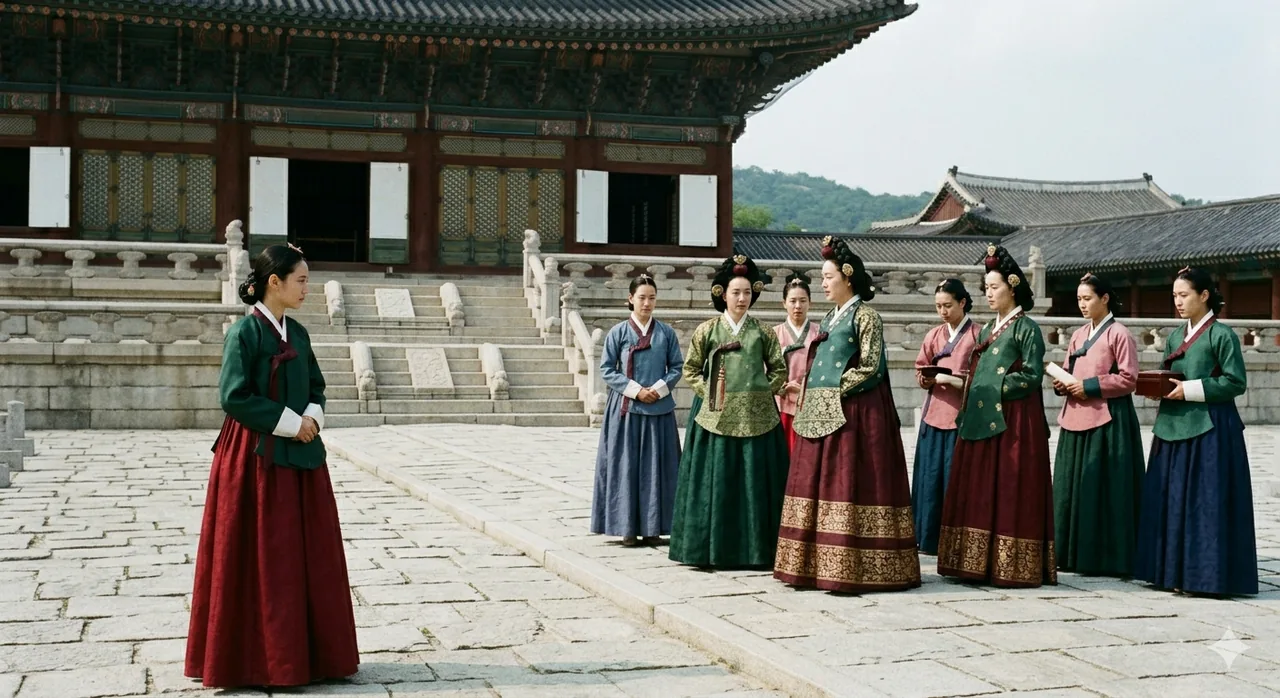 The Red Sleeve, Explained: Why Did Seong Deok-im Refuse King Jeongjo?