Belief, Death & the Uncanny
Shamans, ancestors, goblins and the afterlife — how Koreans made sense of death and the unseen.
Korean supernatural dramas draw on a genuinely layered religious history: an indigenous shamanic tradition, a thousand years of Buddhism, five centuries of state Confucianism, and a century of Christianity — all stacked on top of each other rather than replacing one another. That is why a single drama can plausibly contain an ancestral rite, a shaman’s ritual, a Buddhist notion of rebirth and a bureaucratic afterlife where the dead face trials with case files.
The posts here take the screen’s creatures and customs back to their sources. The Korean grim reaper’s black hat turns out to have a real sartorial history; the dokkaebi is emphatically not a goblin, whatever the subtitles say; the afterlife tribunals of Along with the Gods descend from Buddhist hell paintings you can still see in temples; and the feng shui obsession that drives grave-site plots was serious enough that kings moved tombs over it.
Running underneath is a bigger question the dramas keep circling: how a society that formally suppressed shamanism kept hiring shamans — in the palace above all — whenever the official cosmology ran out of answers. Officially marginal, practically indispensable: that tension is where most of Korea’s best ghost stories live.
-
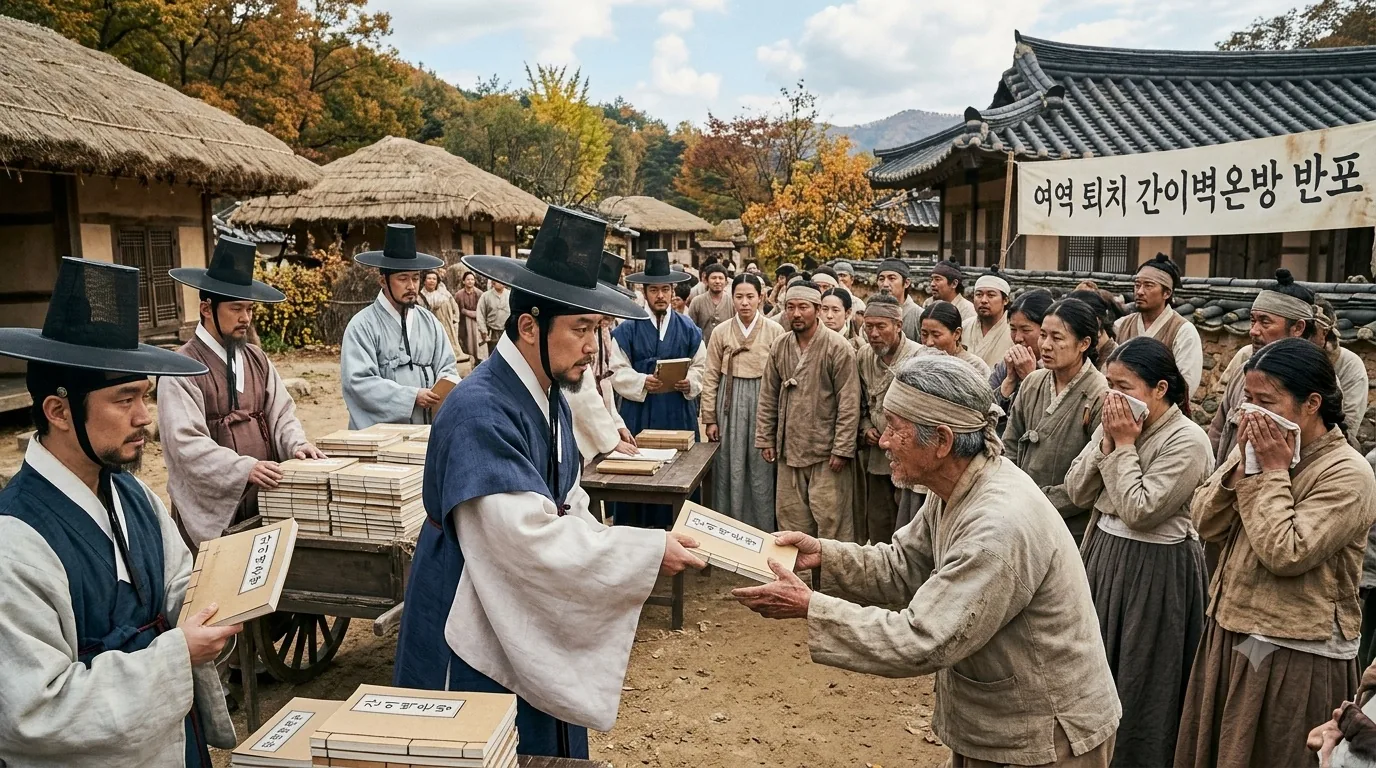 Curse, Ritual, or Contagion? How Joseon Explained and Responded to Illness
 -
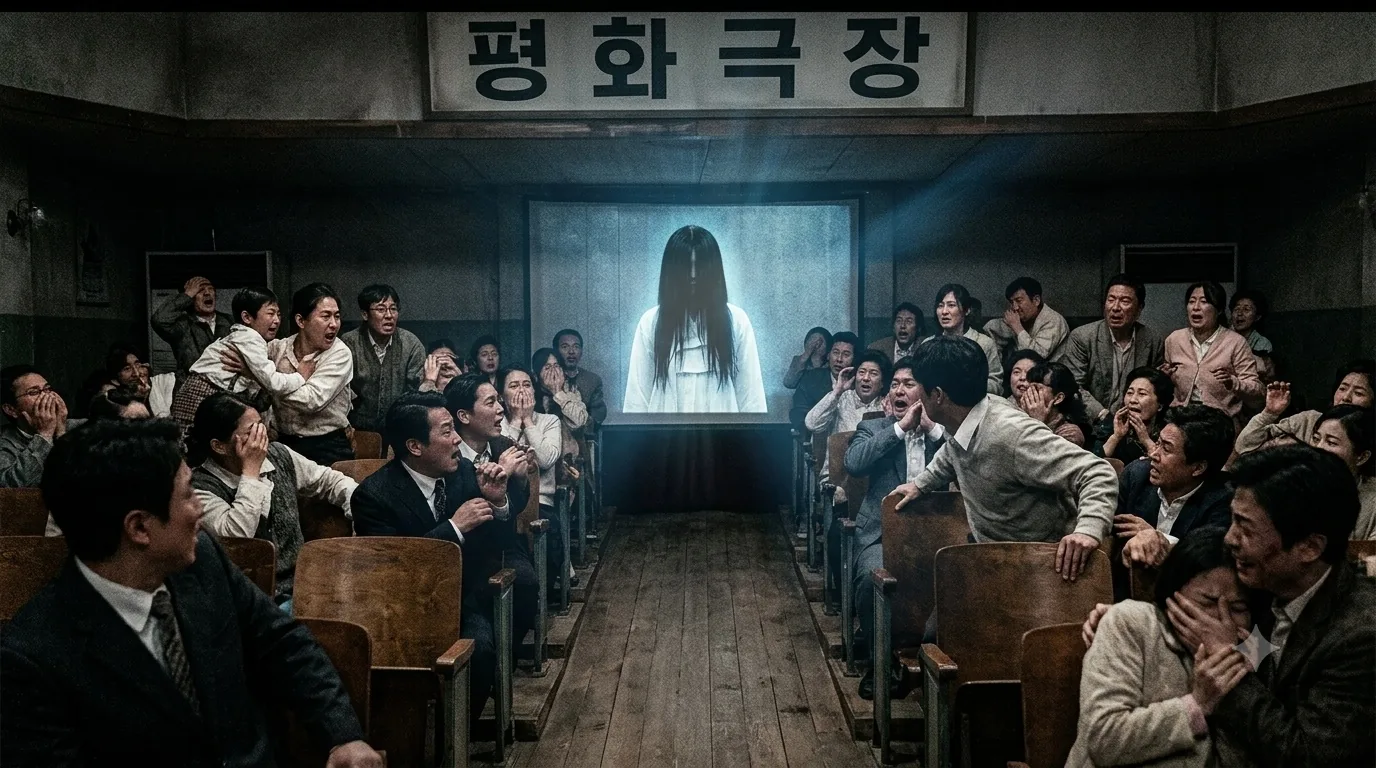 Revenant and Korean Ghost Folklore: How 1960s Cinema Shaped the Woman in White
 -
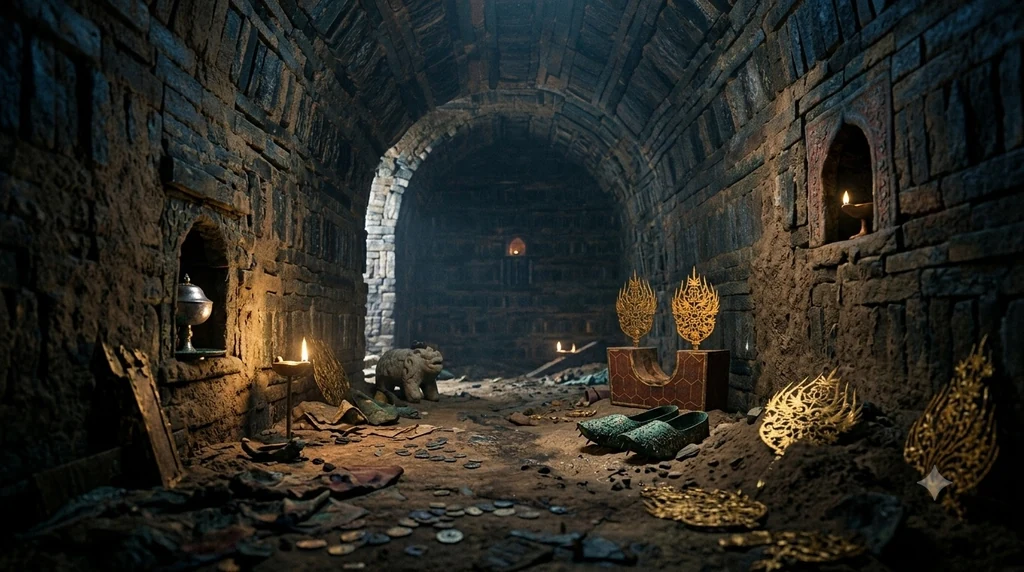 Exhuma, Explained: A Baekje King Bought His Burial Plot From the Powers Below — and the Deed Survived 1,500 Years
 -
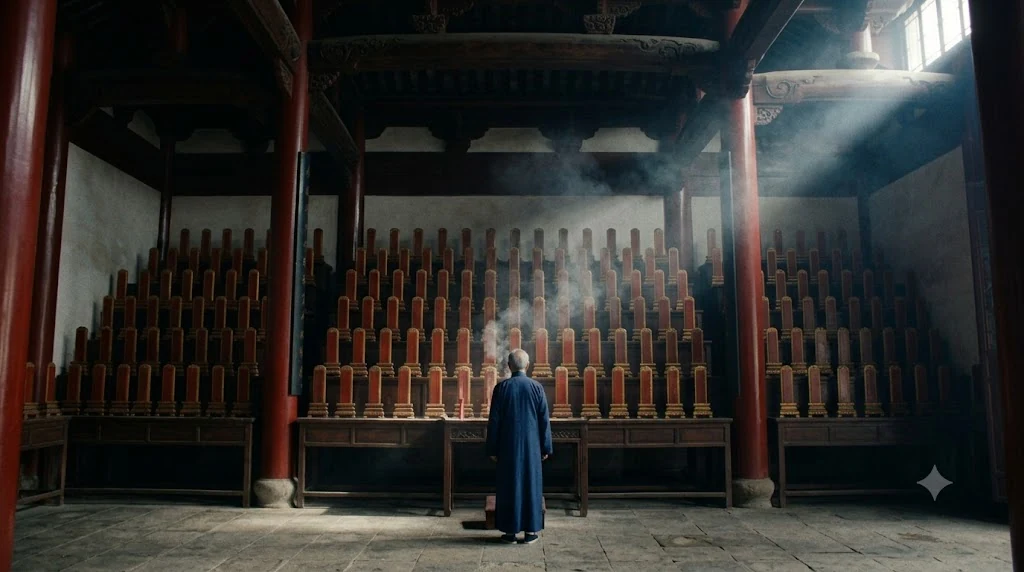 Three Hun, Seven Po, and Four Mitama: How East Asia Divided the Soul
 -
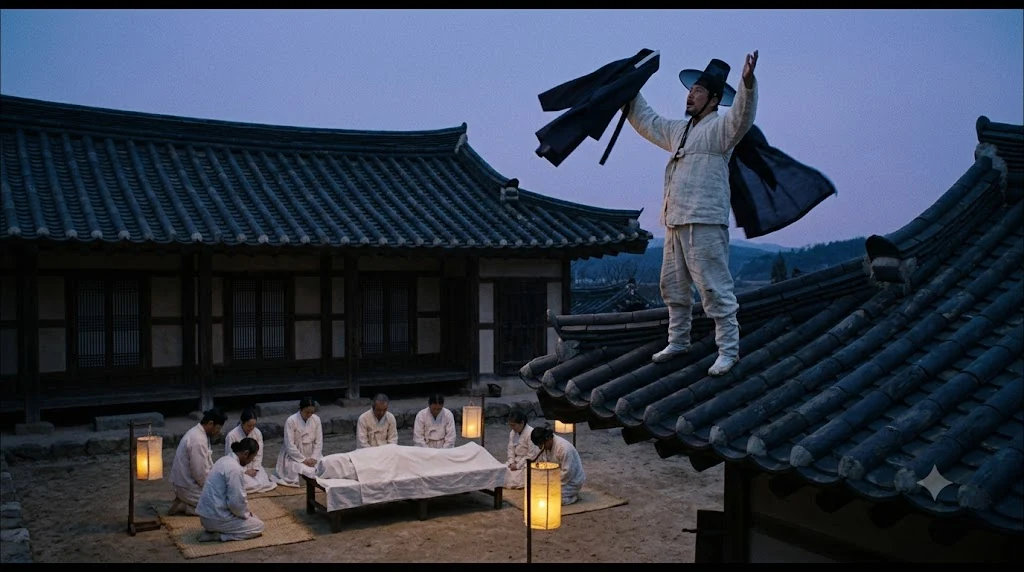 Wicked World, Explained: Why Joseon Koreans Believed a Dead Person Split in Two
 -
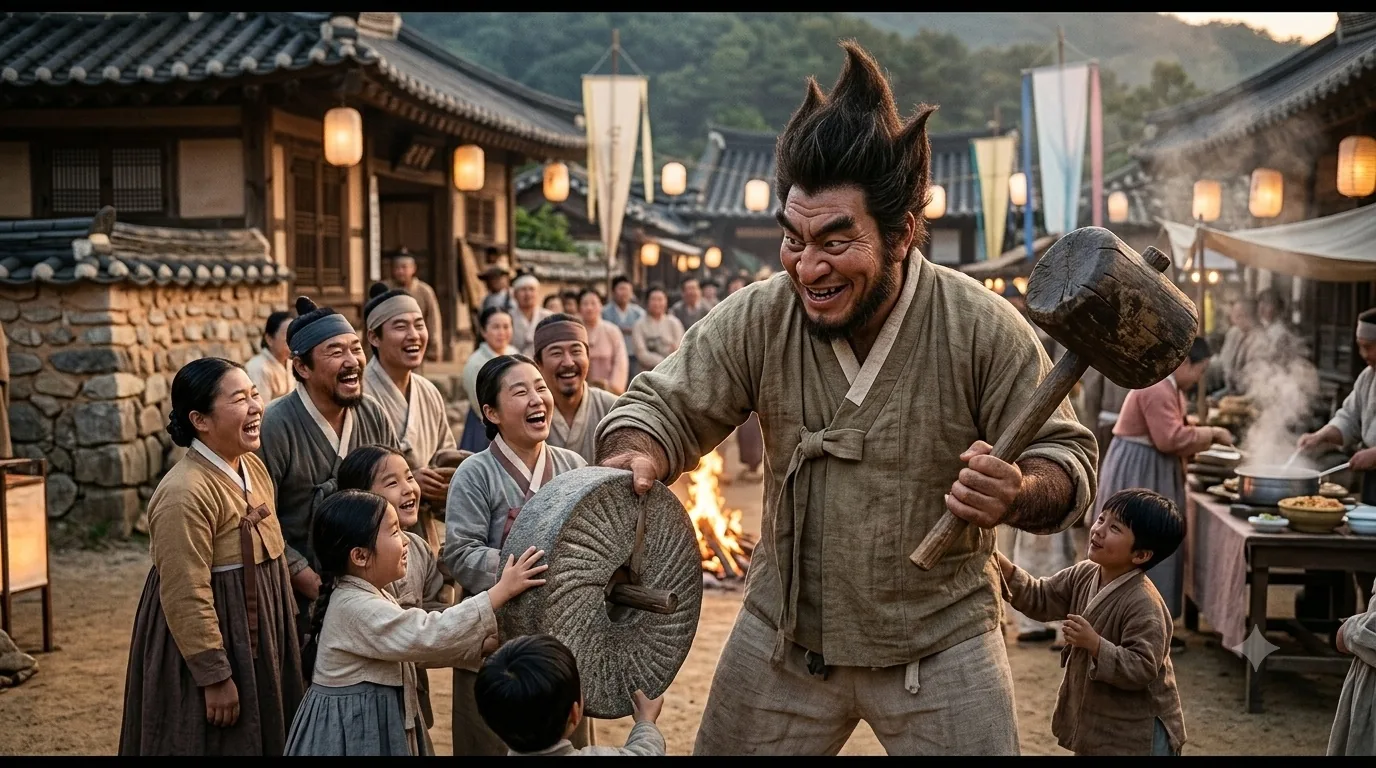 Guardian, Explained: What a Korean Dokkaebi Really Is — and Why 'Goblin' Doesn't Quite Fit
 -
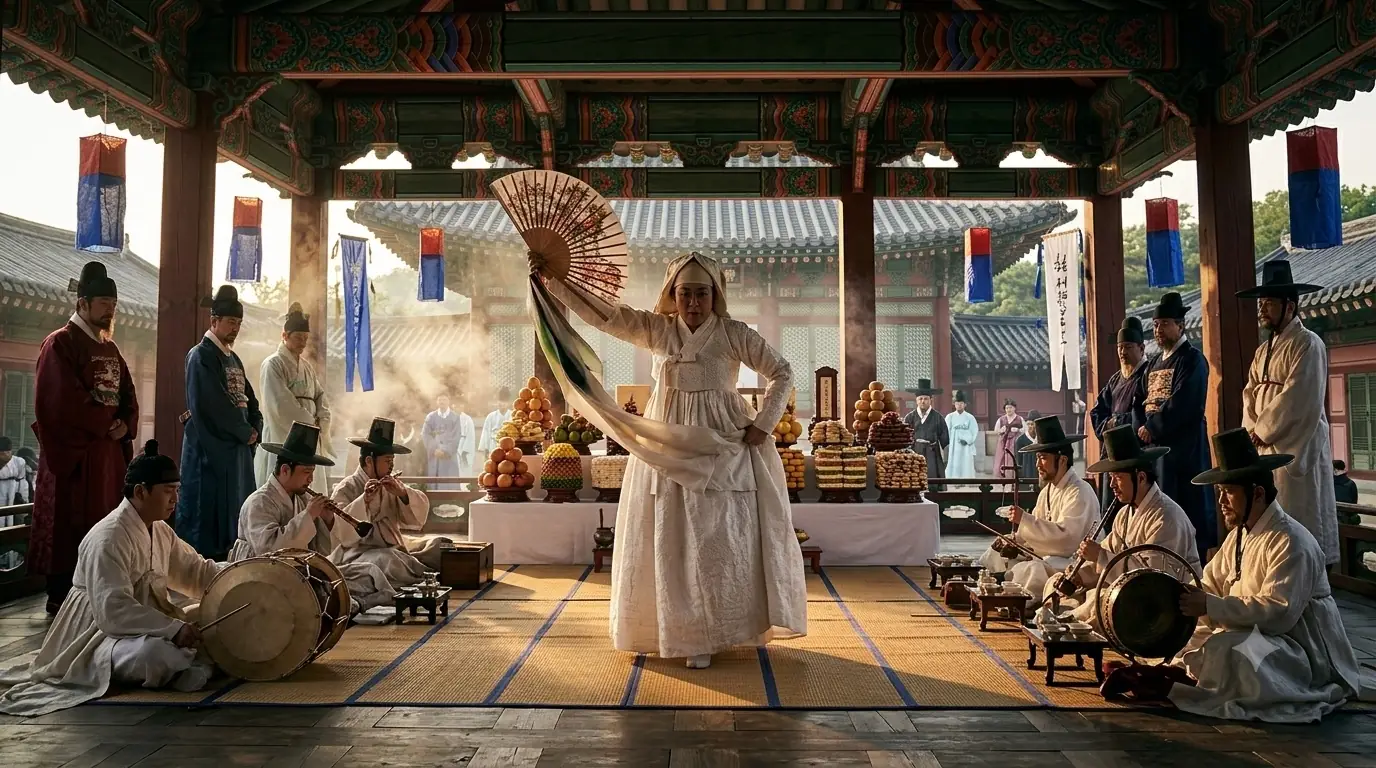 Netflix's The East Palace: Why a Confucian Kingdom Kept an Official Shaman Inside the City Walls
 -
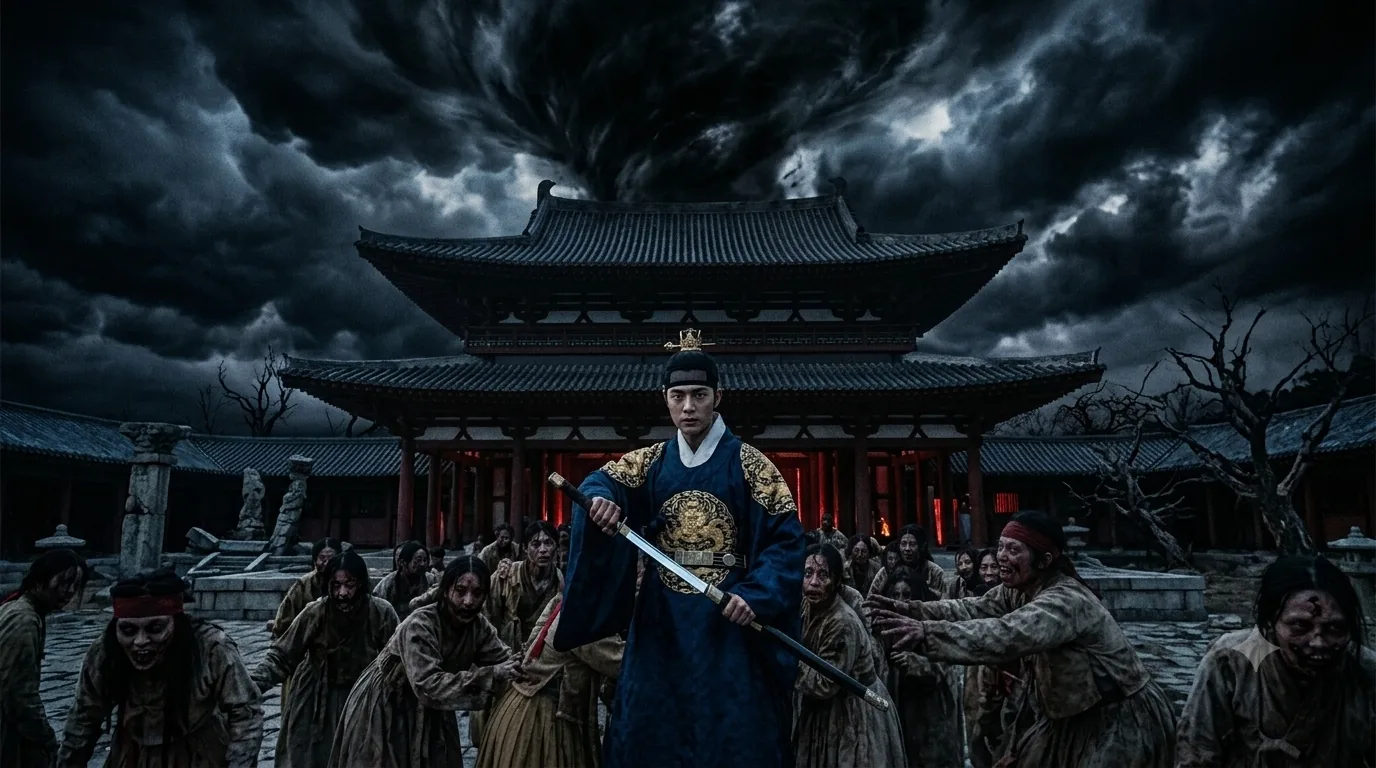 The East Palace, Explained: Why the Joseon Crown Prince's Home Was the Most Sacred — and Most Cursed — Place in the Palace
 -
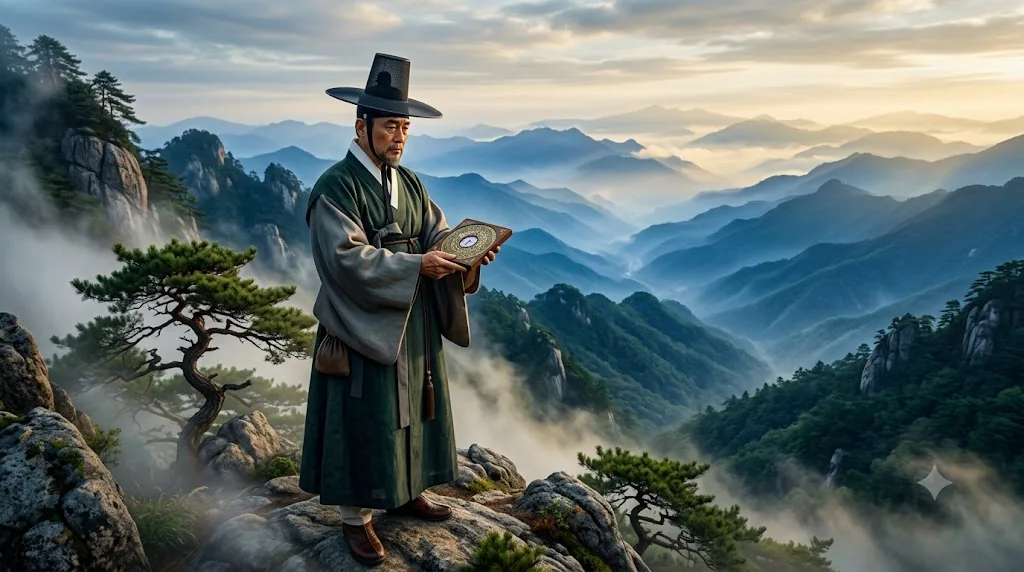 Feng Shui (Myeongdang), Explained: Did Namyeongun's Tomb Really Make Gojong King?
 -
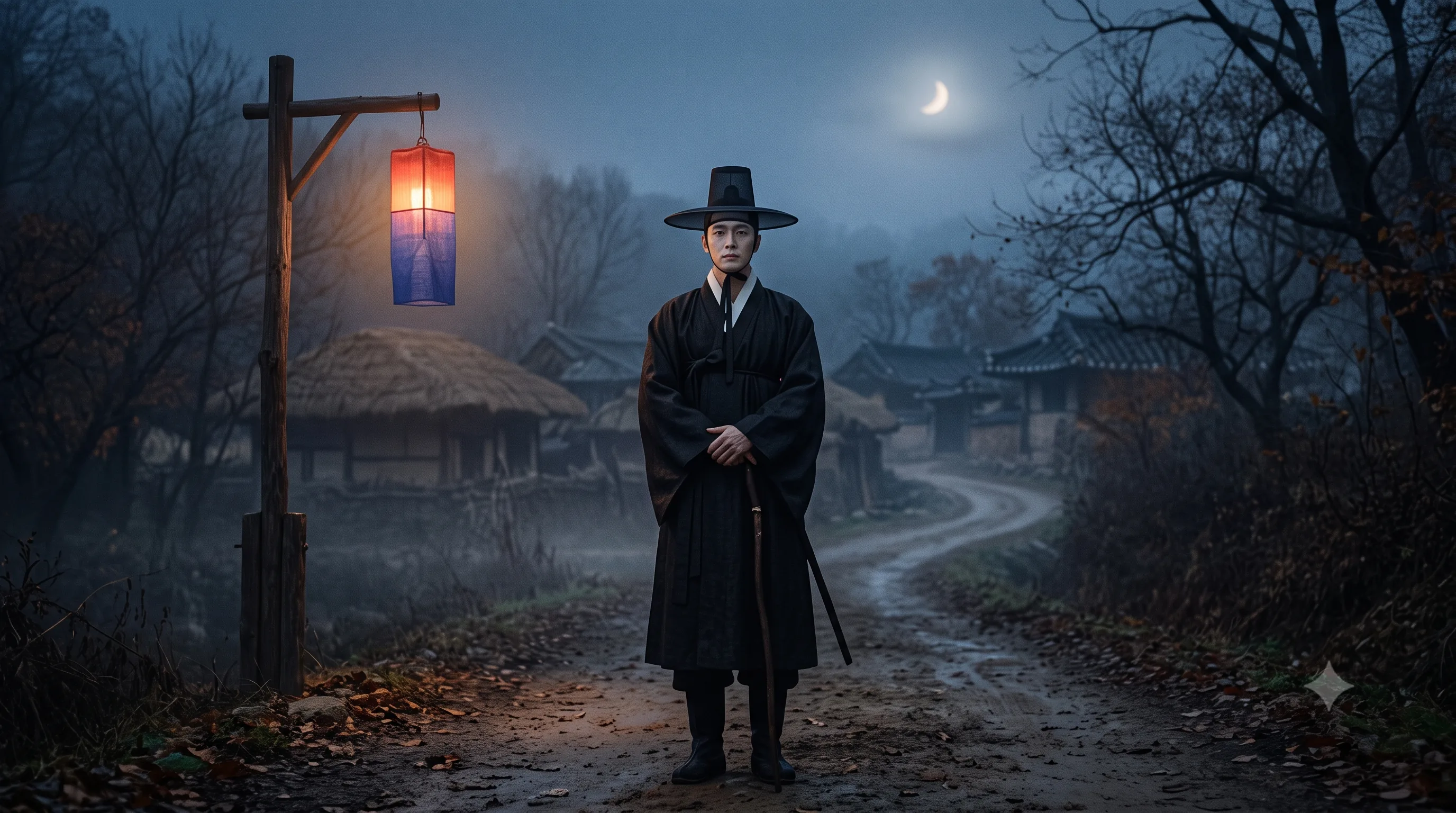 Why the Korean Grim Reaper Wears a Black Hat — and Why It Isn't an Ancient Tradition
 -
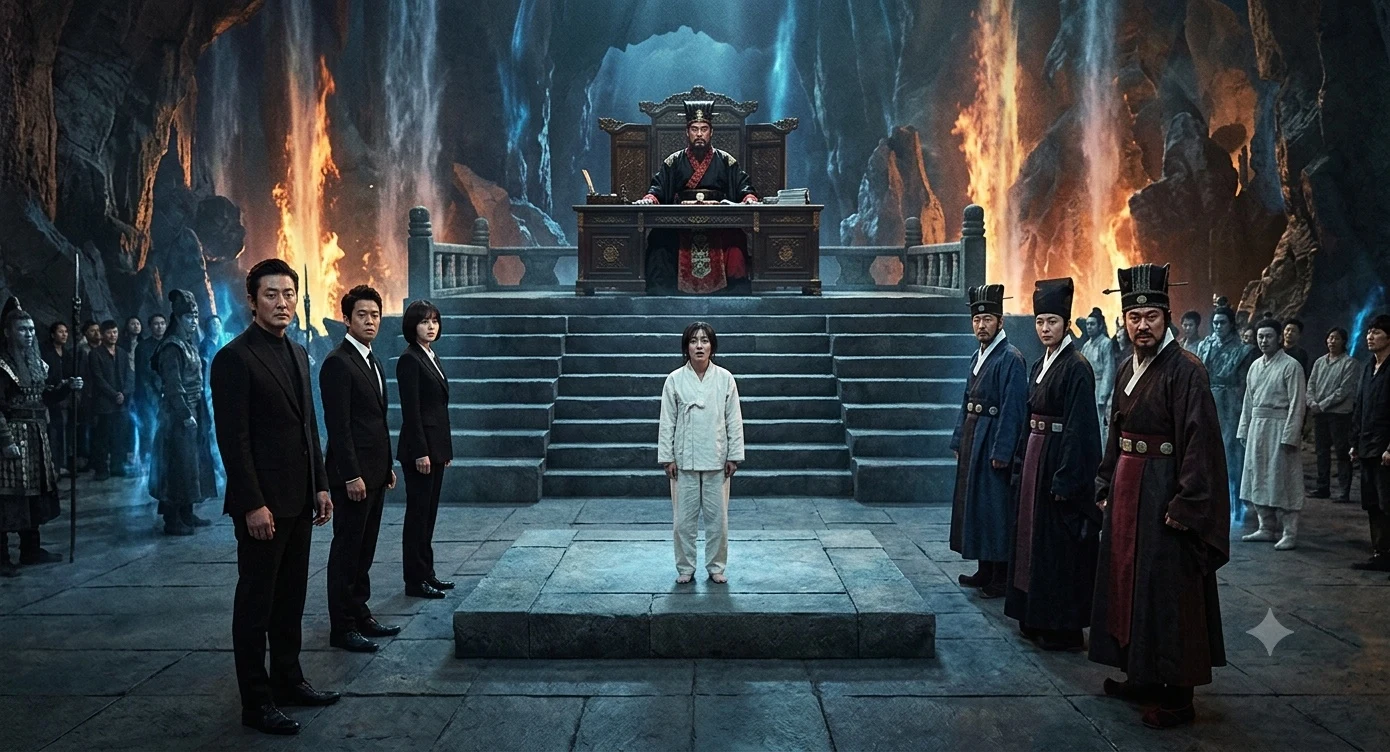 Why Does Along with the Gods Have Seven Afterlife Trials? Korea's Ten Kings and 49-Day Judgment Tradition, Explained
 -
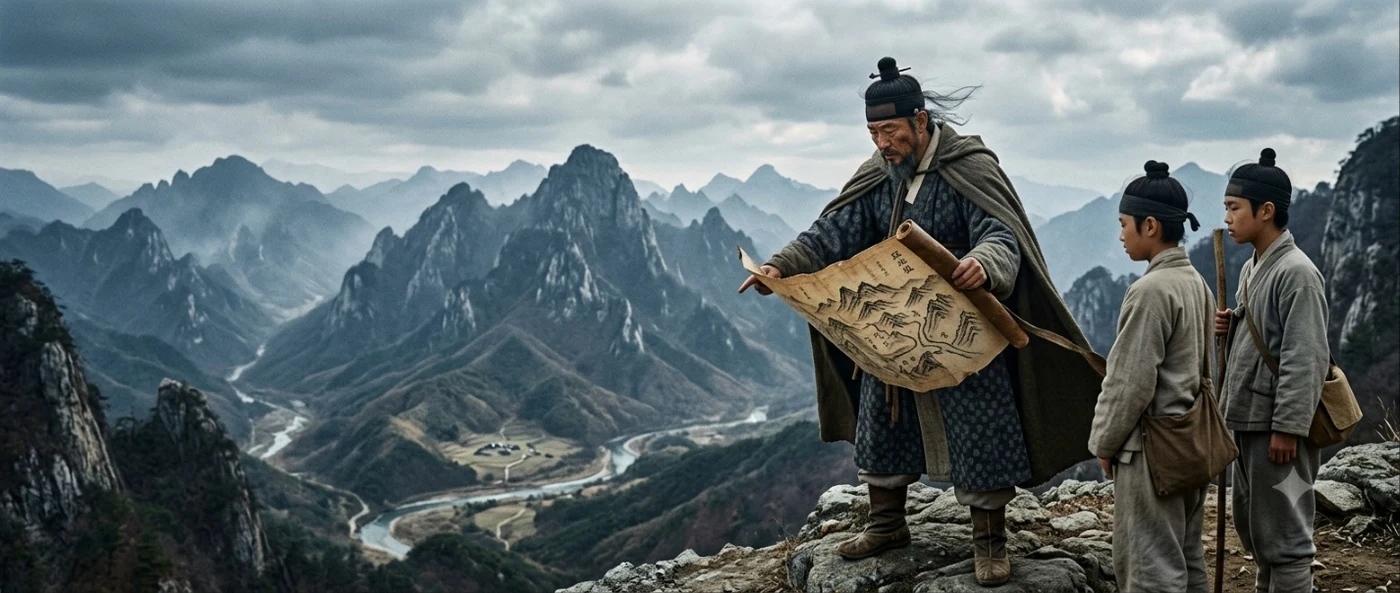 Why Did Joseon Koreans Believe a King's Grave Could Change Dynasties? Geomancy, Physiognomy, and the Politics of Fate, Explained
 -
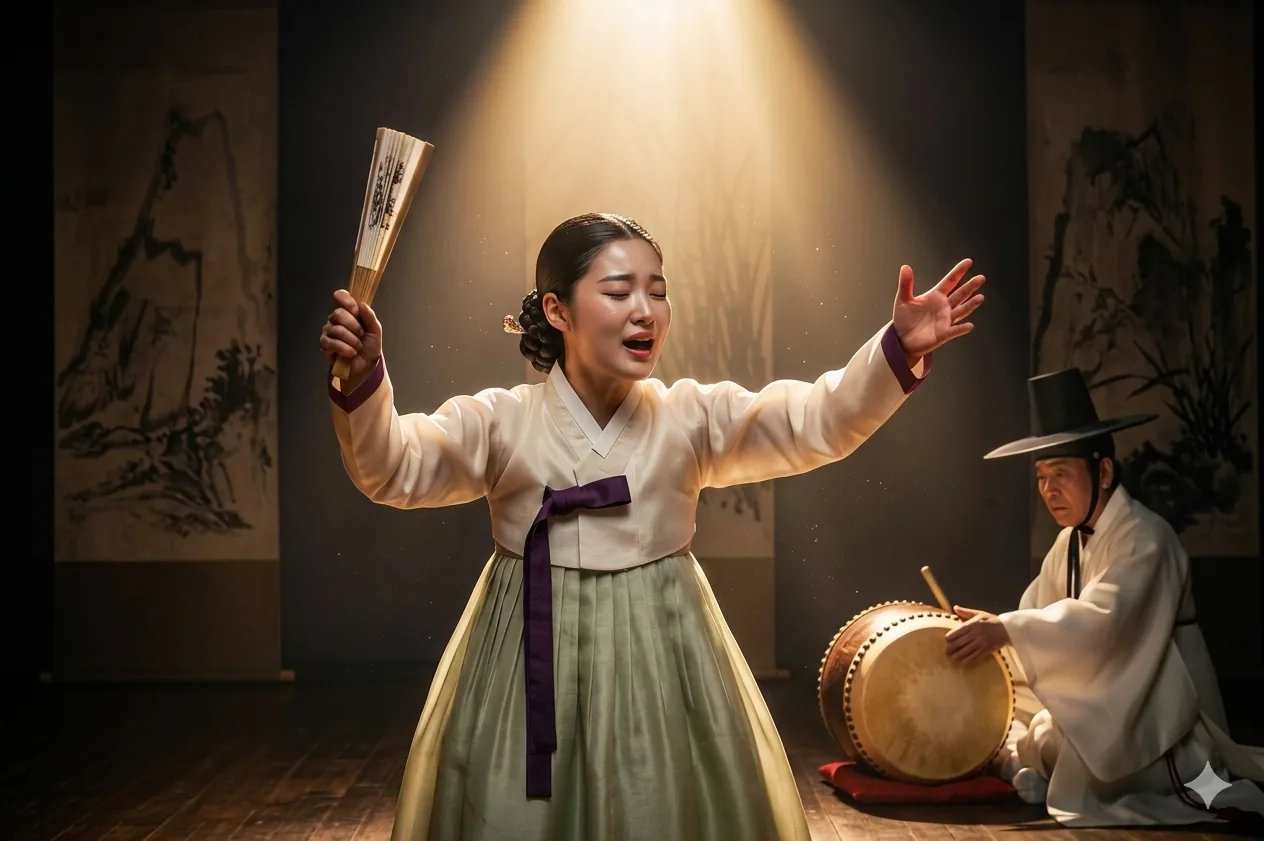 From Han to Sinmyeong: Why Korean Culture Feels Both Sad and Alive
 -
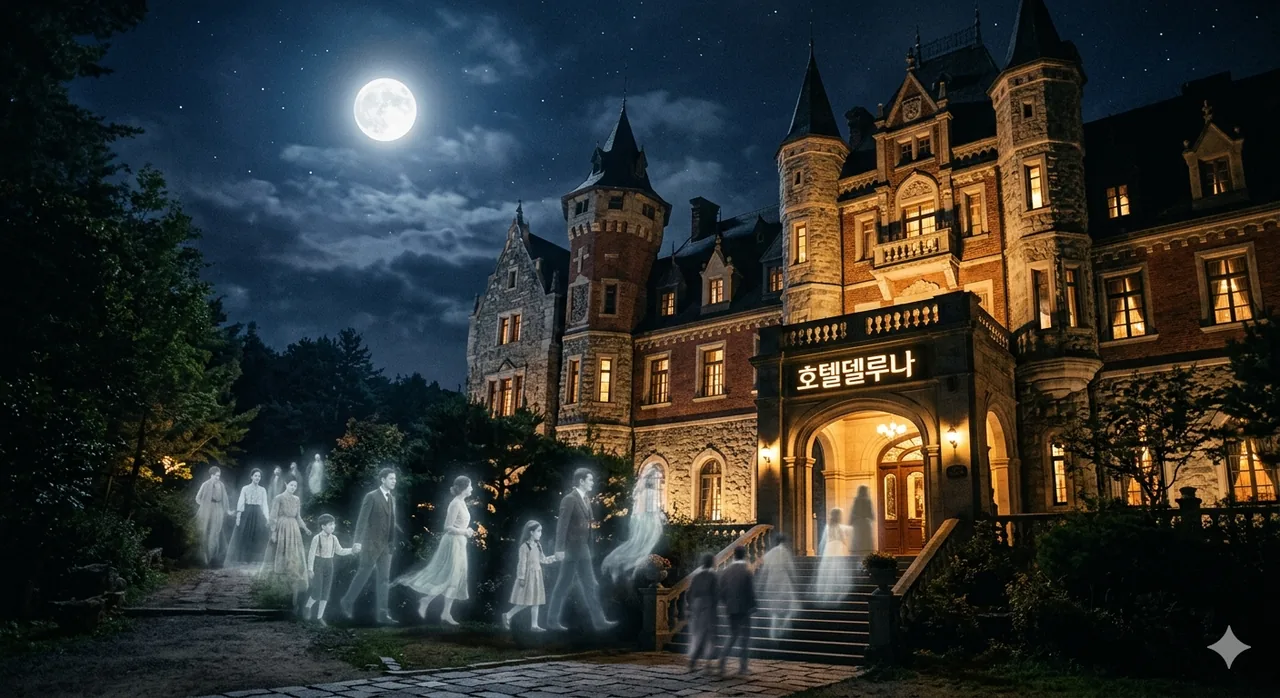 Hotel del Luna, Explained: Why Korean Ghosts Check In Before Moving On
 -
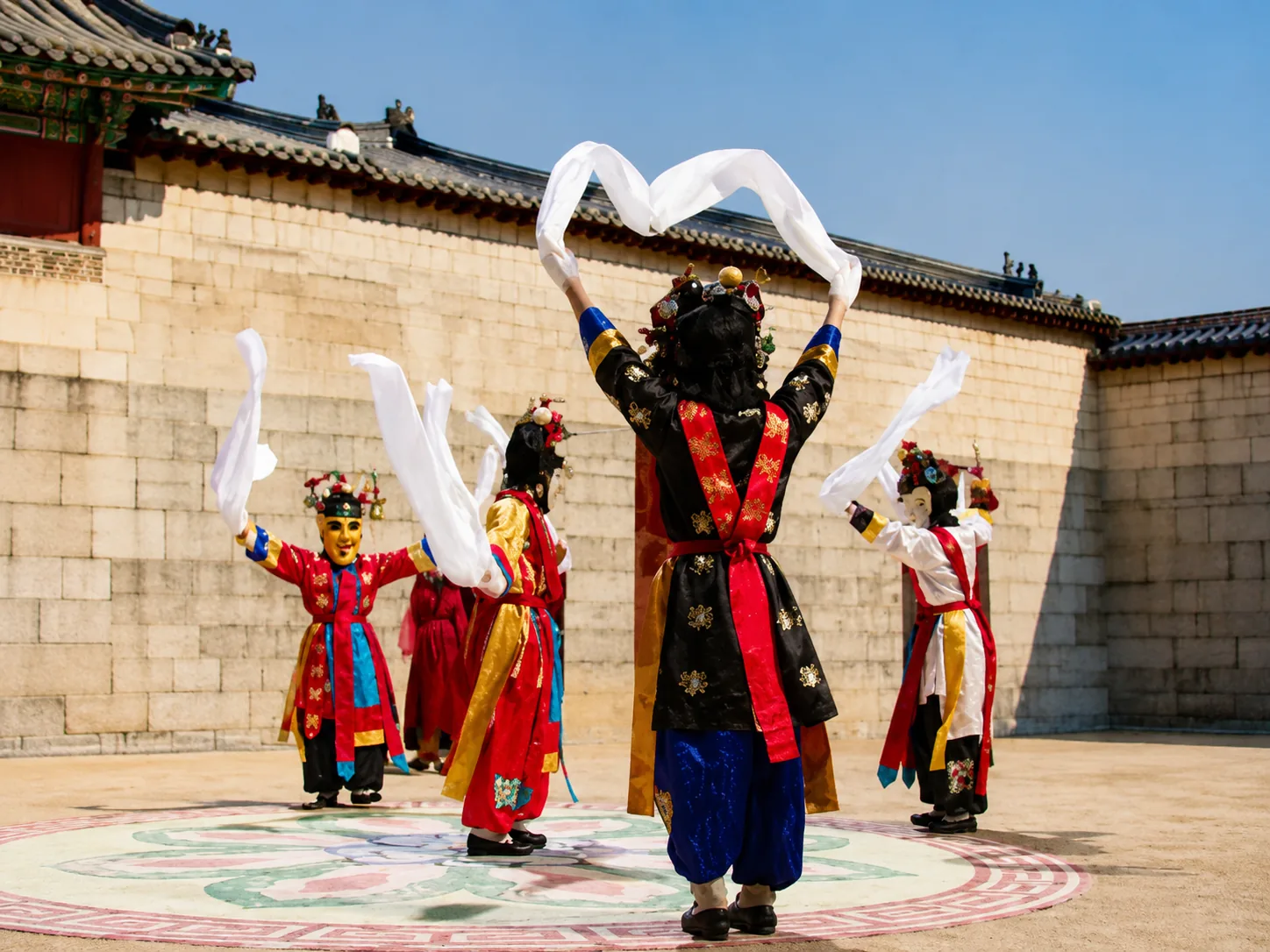 Netflix's The Moon Embracing the Sun, Explained: Why a Confucian Kingdom Still Needed Its Shamans