Confucian Life & Ritual
Mourning, ancestral rites, filial duty, marriage and lineage — Confucianism as lived daily life.
Confucianism in K-dramas is easy to miss because it looks like everyday life: the deep bows, the seniority grammar at the dinner table, the memorial food laid out for dead parents, the fury when a son cuts his hair. Joseon did not treat these as customs. They were law and cosmology at once — a complete design for family, state and afterlife in which ritual precision carried real political stakes.
The posts here unpack the practices dramas show but rarely explain: the three-year mourning that could remove officials from government at the height of their careers (and once triggered a constitutional crisis over a dowager’s mourning clothes), the ancestral jesa rite that still structures Korean holidays, why cutting hair could feel like violence against one’s parents, how marriages were negotiated as alliances between lineages, and why so many Koreans share the surname Kim without being close kin.
Read together, they explain the emotional physics of the family drama — why duty outweighs desire so often on Korean screens, and why breaking a ritual can land harder than breaking a law.
-
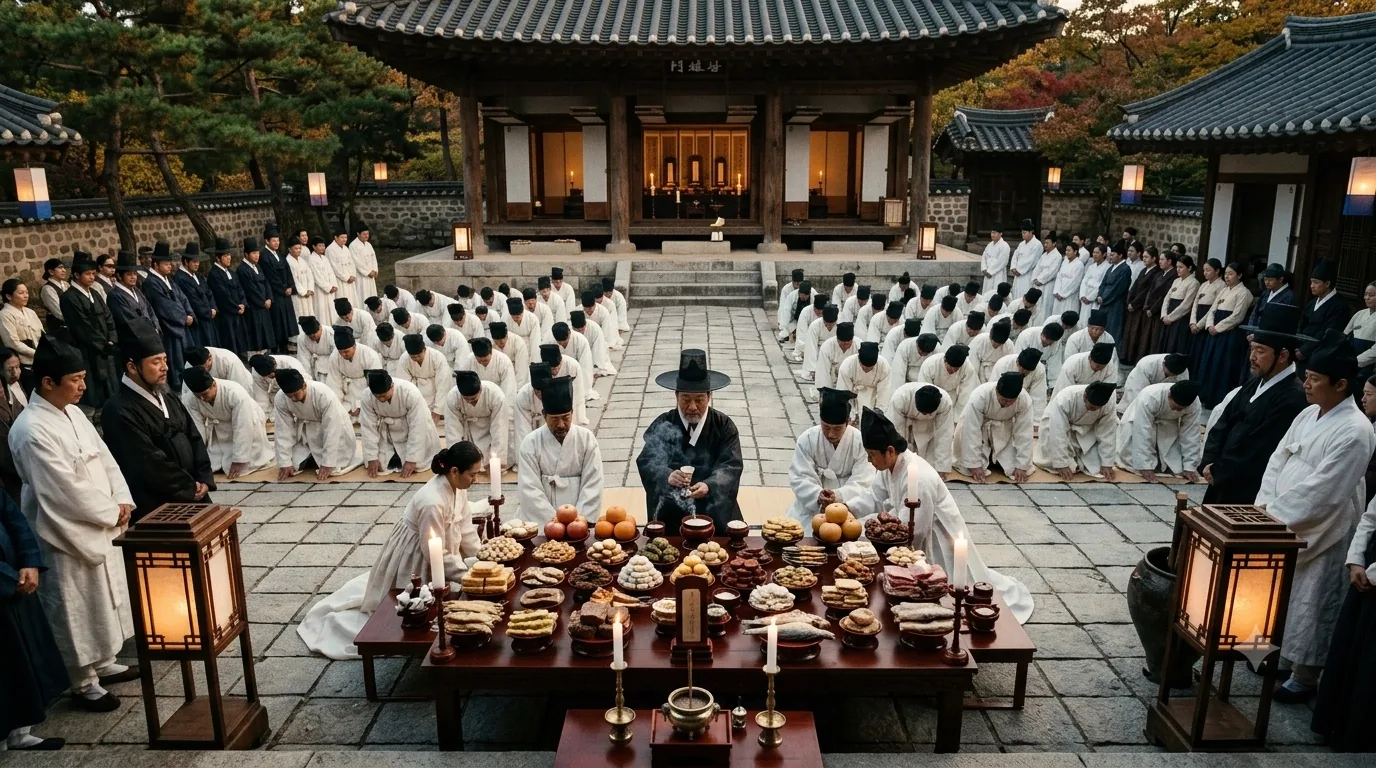 Because This Is My First Life, Explained: Why Ji-ho Is Sent to the Kitchen During Jesa
 -
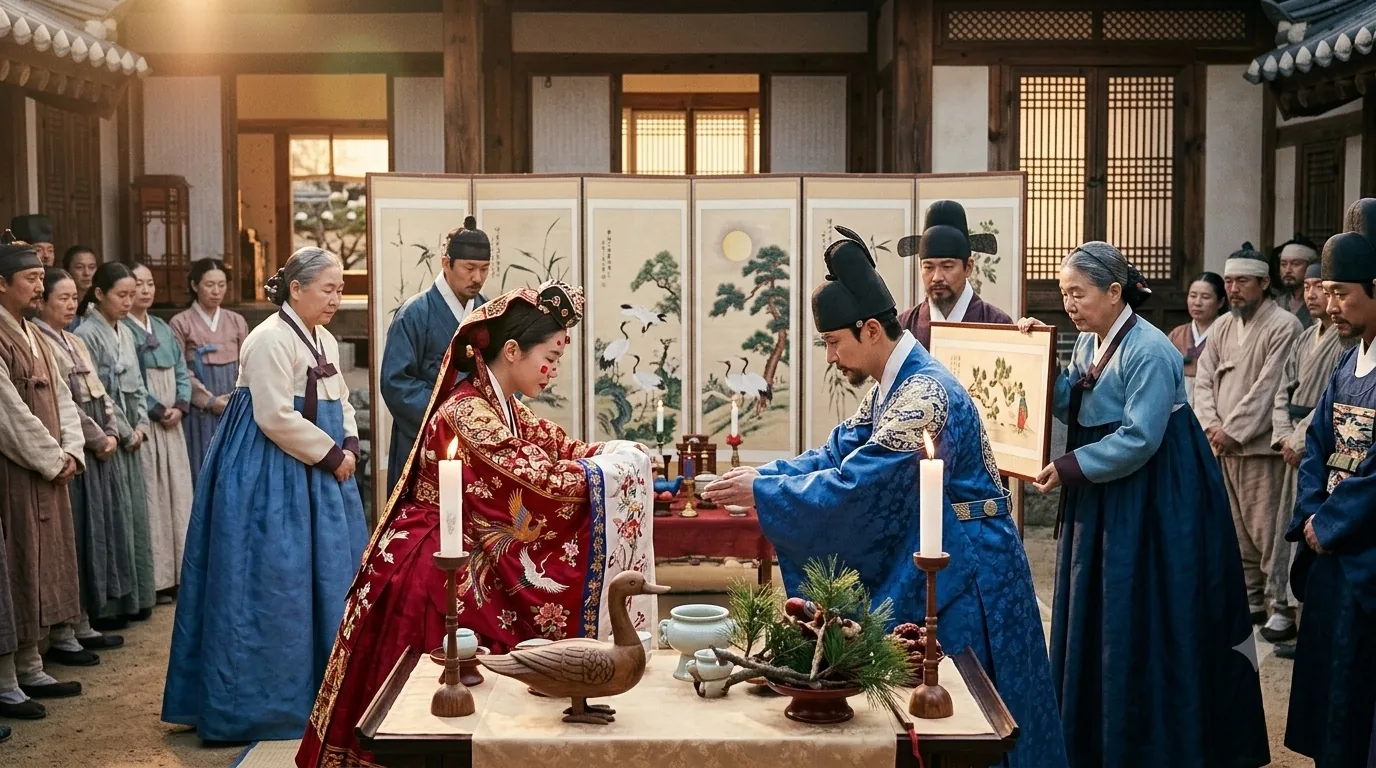 Flower Crew: Joseon Marriage Agency, Explained: Why Joseon Marriage Was a Family Affair, Not Just a Love Story
 -
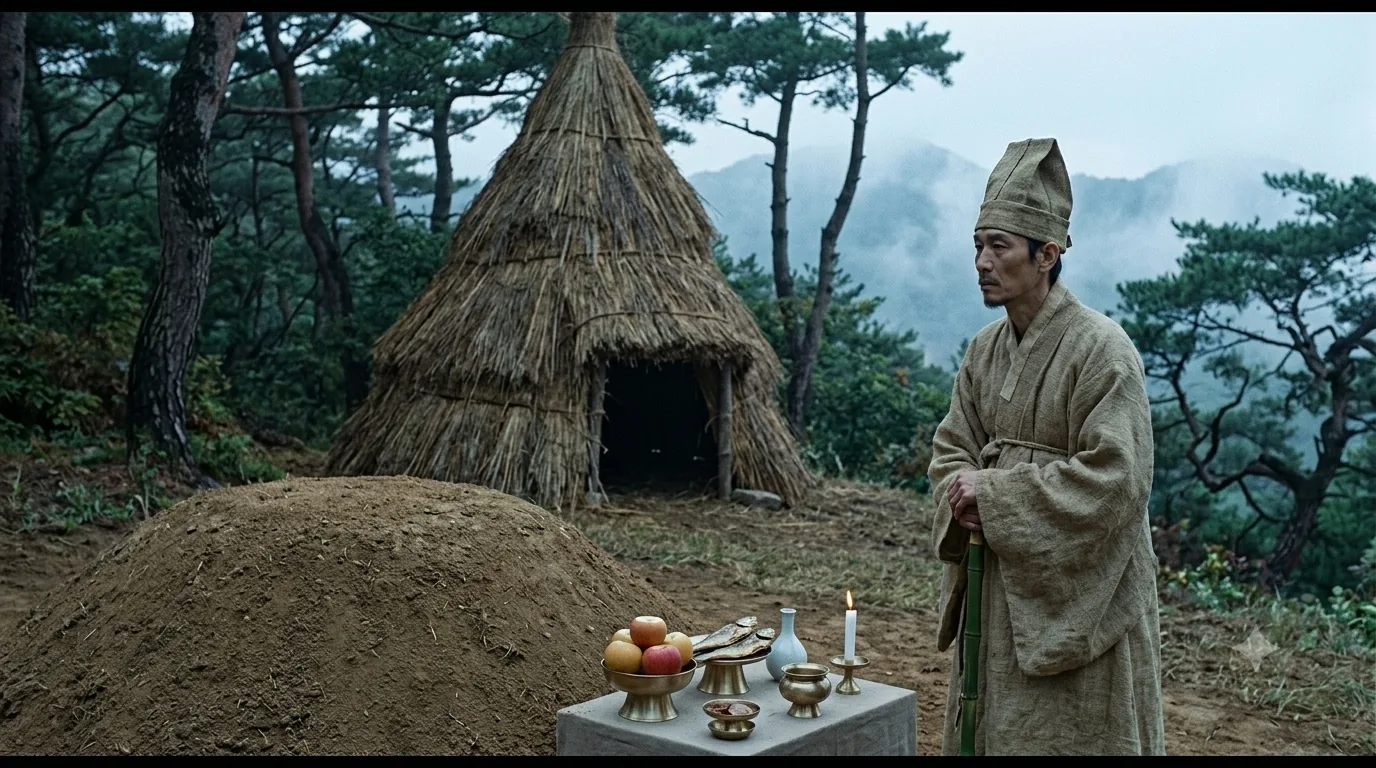 MBC's The King's Doctor, Explained: Why a Grand Queen Dowager's Mourning Dress Triggered Two Political Battles 15 Years Apart in Joseon Korea
 -
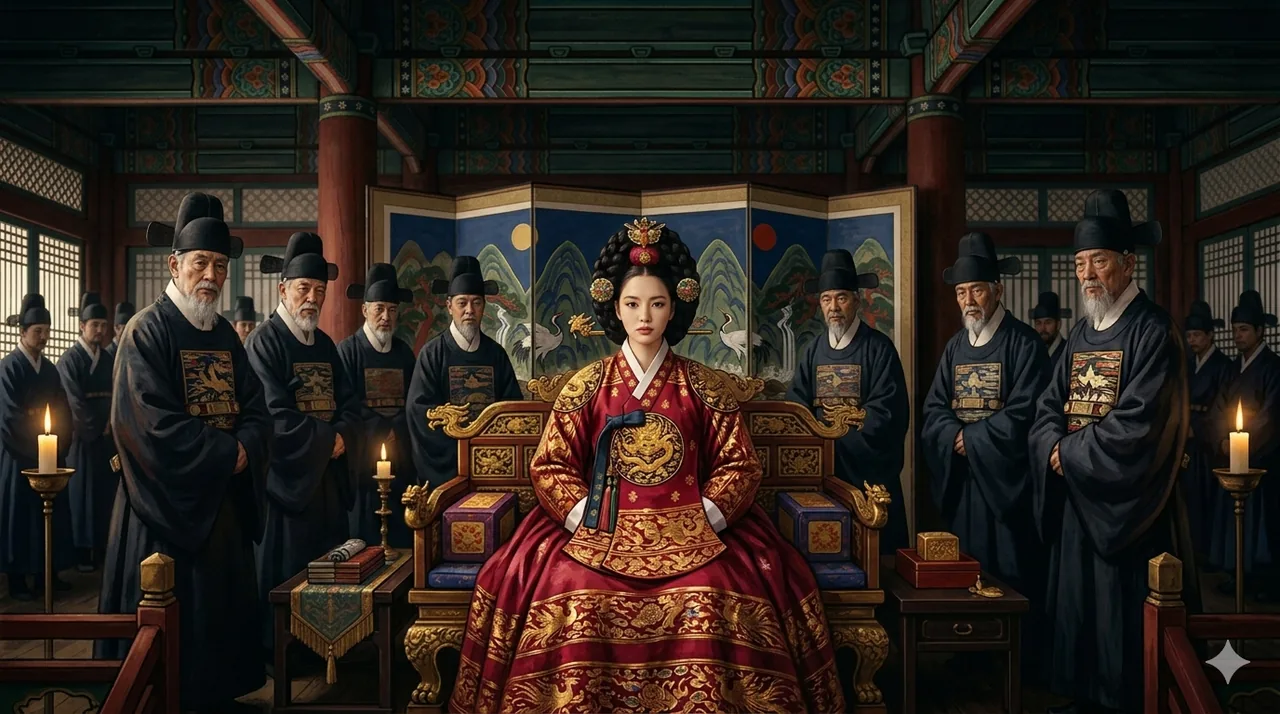 Netflix's Mr. Queen, Explained: Why Does Korea Have So Many Kims?
 -
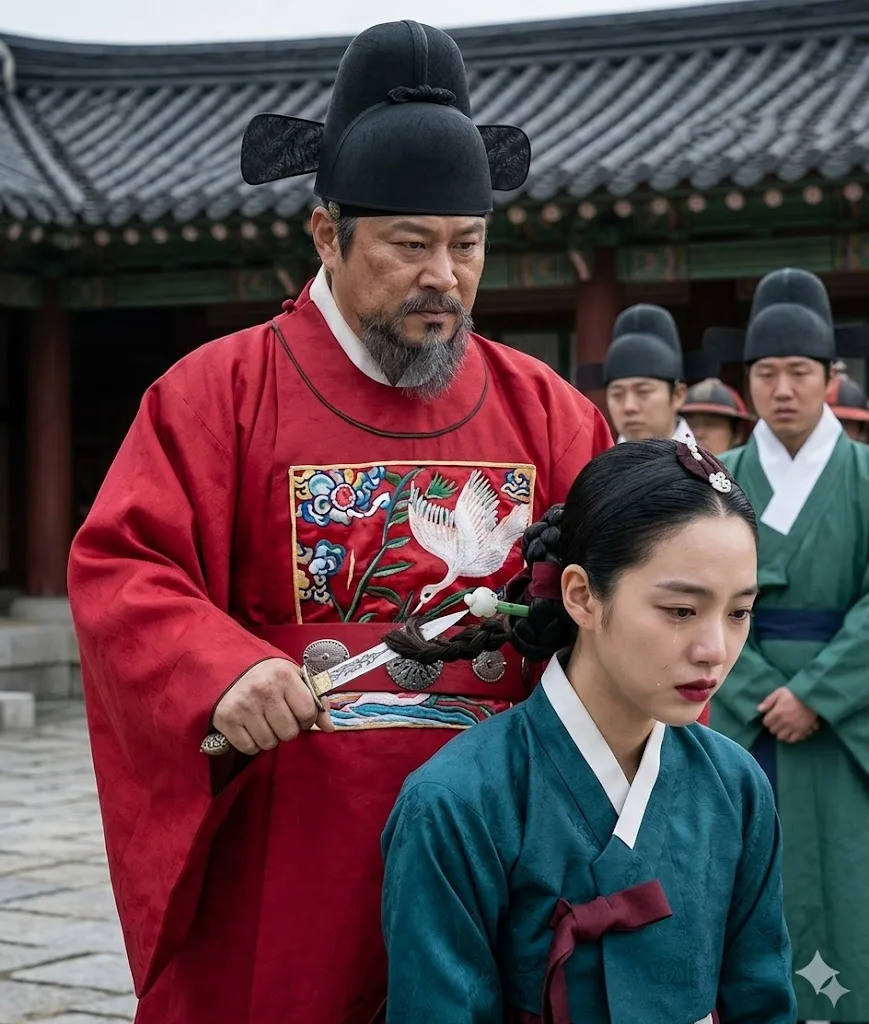 Netflix's The King's Affection, Explained: Why a Joseon Prince Punched a Ming Envoy Over a Haircut