Status & Class
Slaves, outcasts, eunuchs, middlemen — Korea’s rigid social order and who lived outside it.
Before Korea had chaebol and entrance exams, it had one of the most elaborately stratified societies in East Asia. Silla ranked people by “bone” — a hereditary grade that decided what you could wear, whom you could marry and how high you could rise, the system behind Hwarang. Joseon replaced bone rank with its own ladder: aristocrats, middle-men technicians, commoners, and below them a huge unfree population. At times, by some estimates, a third or more of Joseon’s people were slaves — the world Chuno drags into the daylight.
This section lingers on the people the order pushed to its edges: the slave hunters and the hunted, the baekjeong outcasts whose descendants still faced discrimination into the modern era, the court eunuchs who traded family for proximity to power, the interpreter-clerks who grew rich precisely because aristocrats considered their work beneath them, and the jesters licensed to mock a hierarchy no one else could touch.
Class is the quiet engine of almost every Korean drama — the forbidden romance, the impossible promotion, the revenge plot. These posts explain the actual rules of the game the characters are trying to break.
-
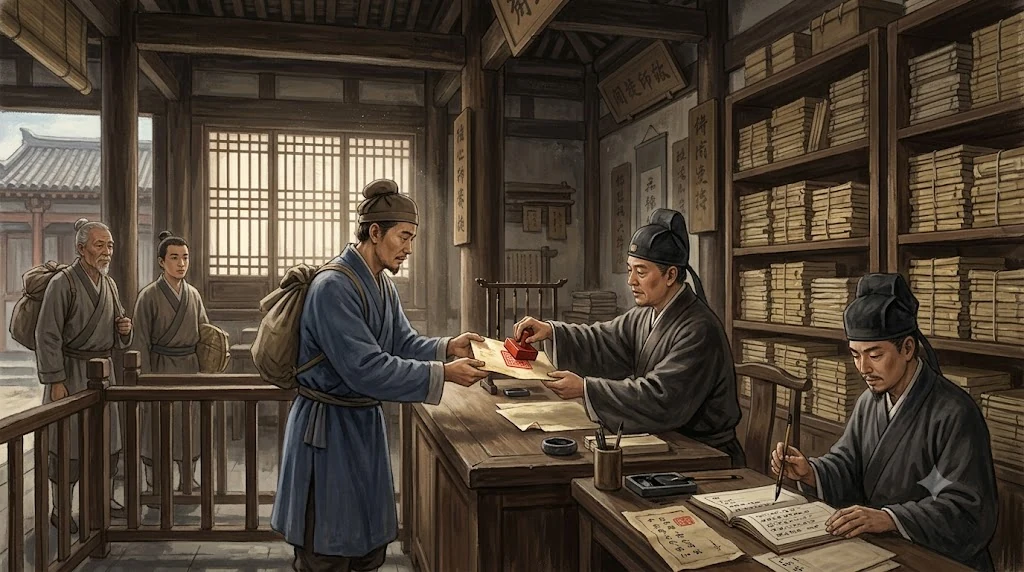 Before Passports: How Joseon Korea, Ming China and Tokugawa Japan Proved Who You Were
 -
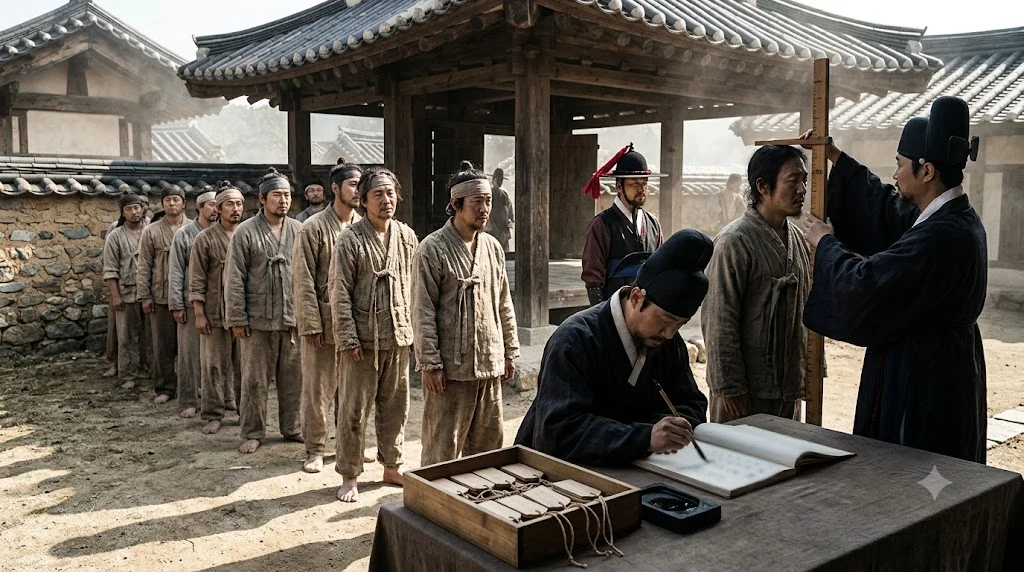 Undercover Miss Hong, Explained: How Joseon Korea Proved You Were Who You Said You Were
 -
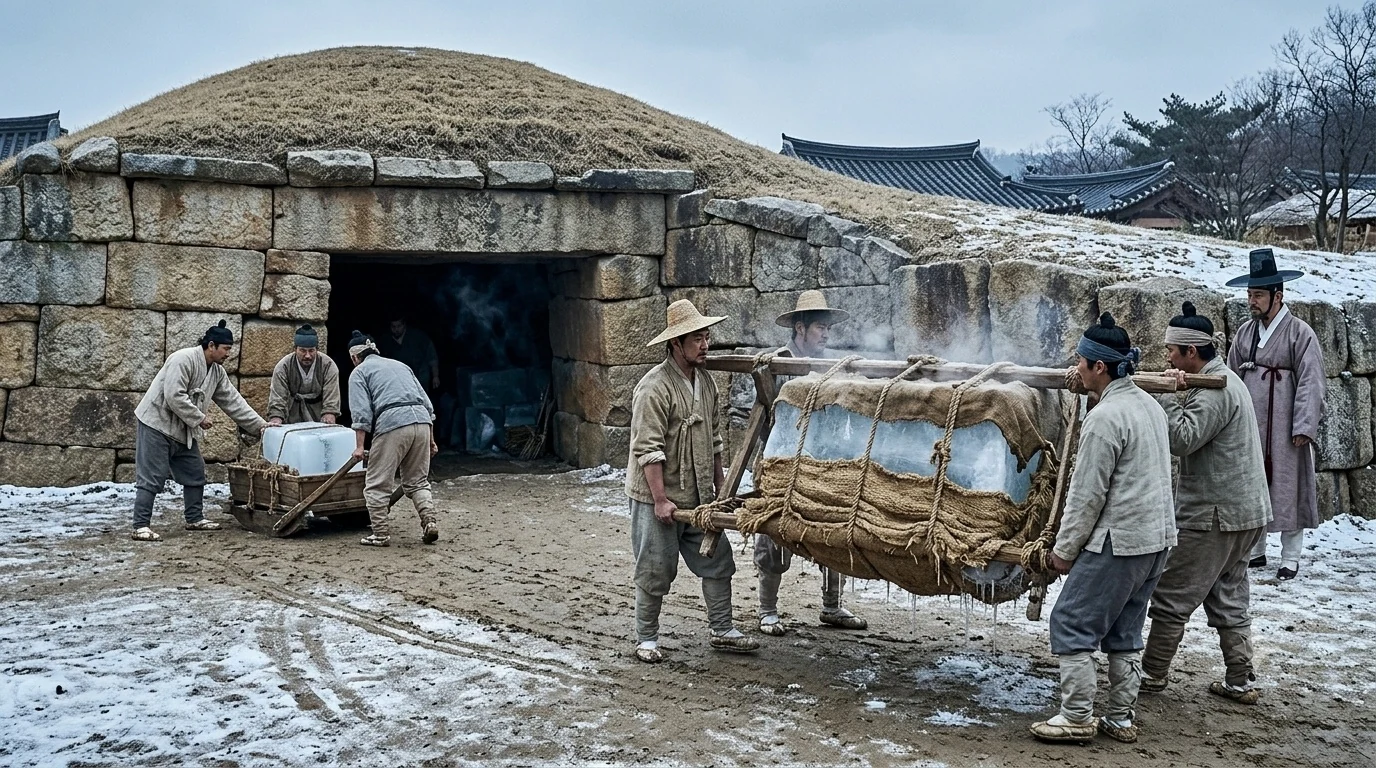 Seokbinggo, Explained: How Joseon Stored Winter Ice — and Who the Law Let Have It
 -
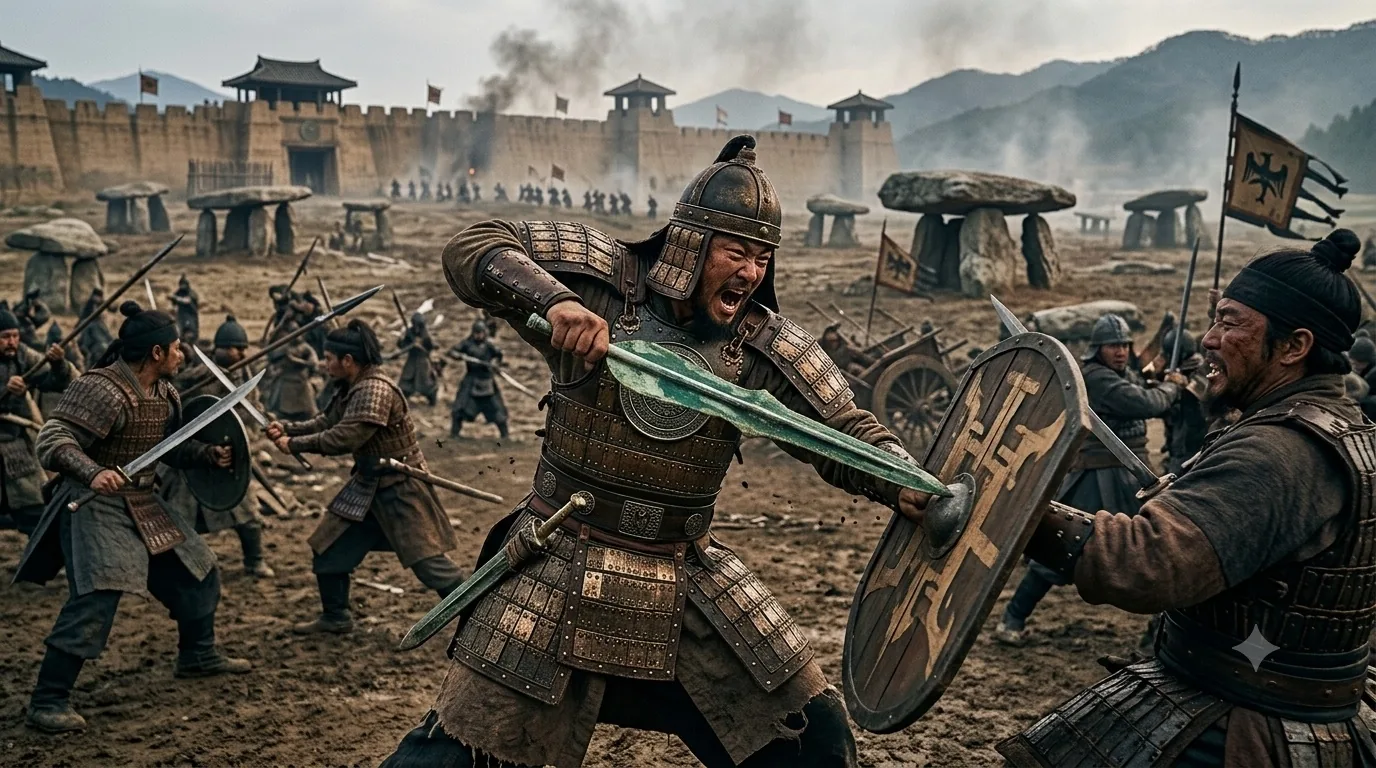 Arthdal Chronicles, Explained: Korea's Oldest Transmitted Law — and the Stain That Outlived the Sentence
 -
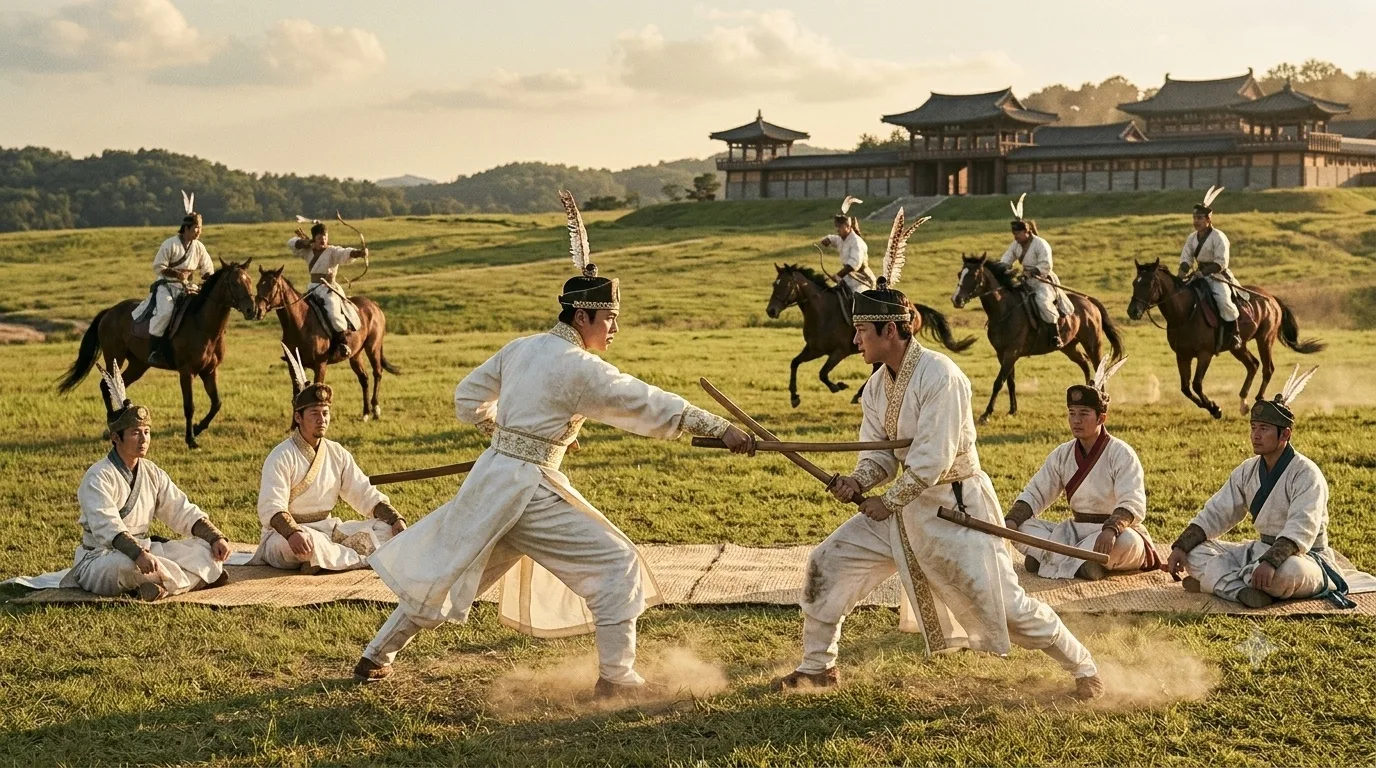 Hwarang, Explained: How Silla's Bone-Rank System Shaped Whom You Could Marry, What You Could Wear and Who You Could Become
 -
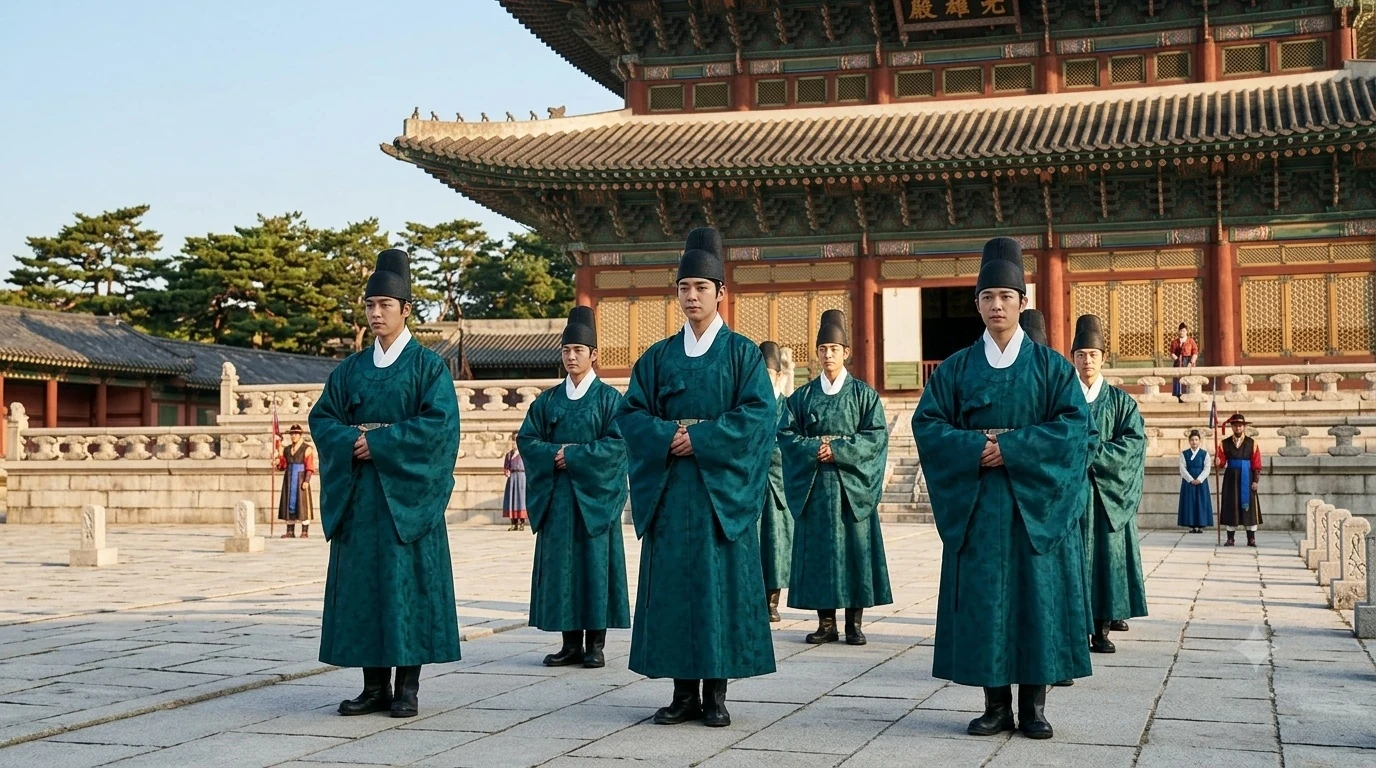 Love in the Moonlight, Explained: Joseon's Court Eunuchs Left Behind a Family Tree With 777 Names
 -
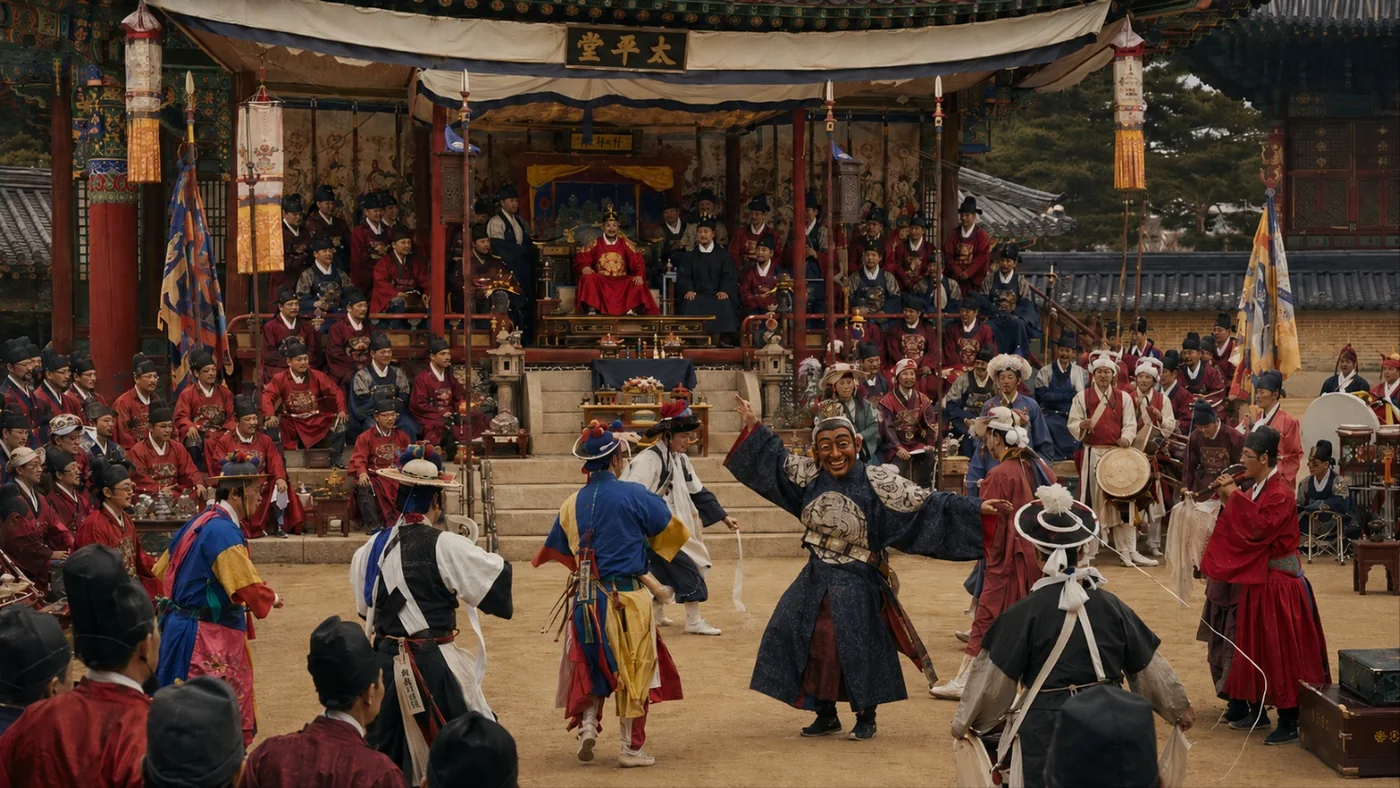 The King and the Clown, Explained: Why a Court Clown Could Mock a Tyrant and Live
 -
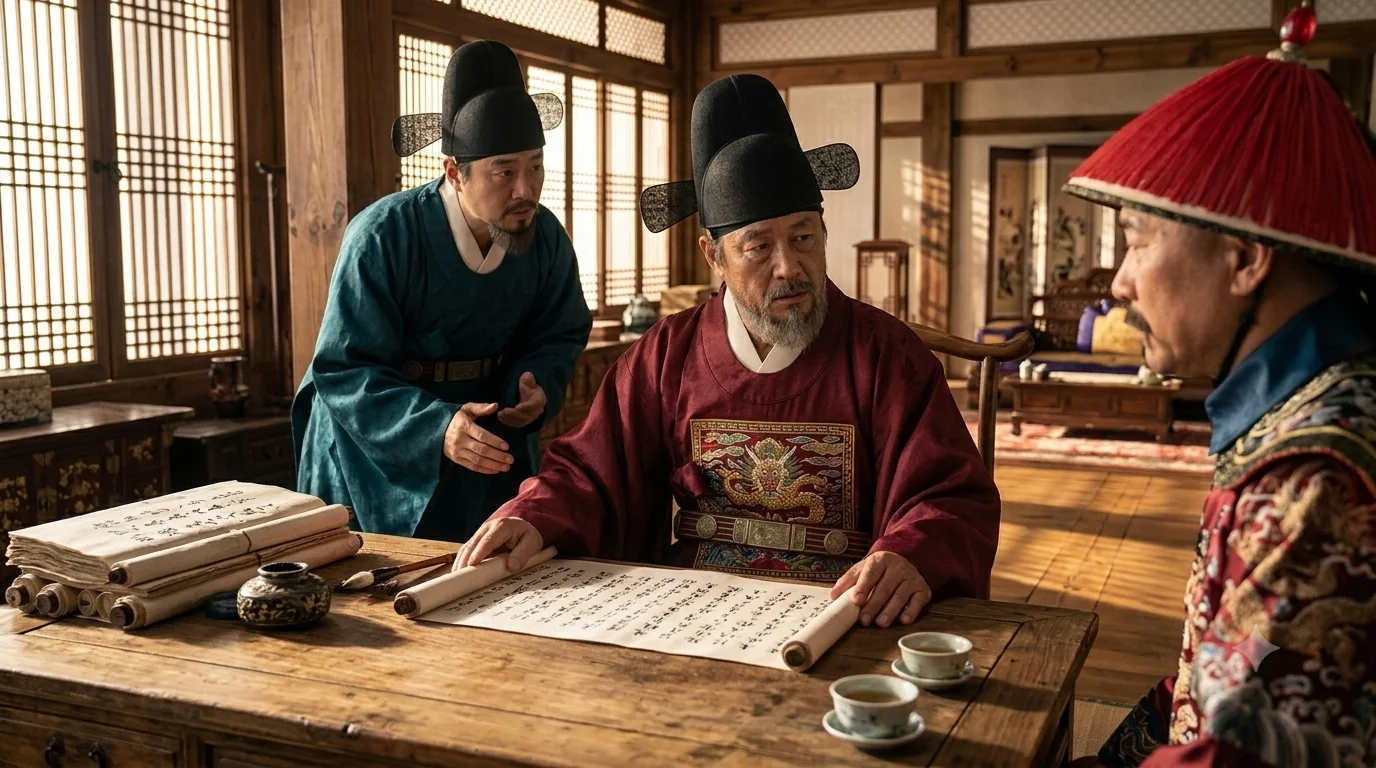 My Dearest and Joseon's Jungin Interpreters: Rich, Powerful, but Never Yangban
 -
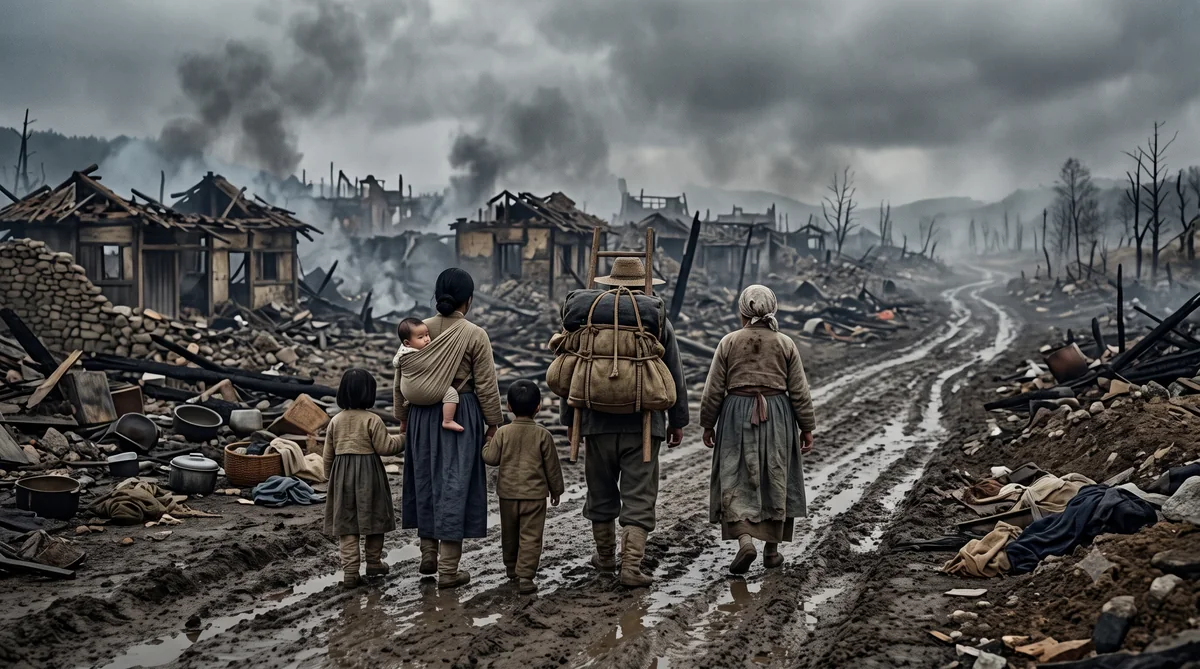 Mr. Sunshine, Revisited: Why Baekjeong Stigma Faded in Korea but Burakumin Discrimination Survived in Japan
 -
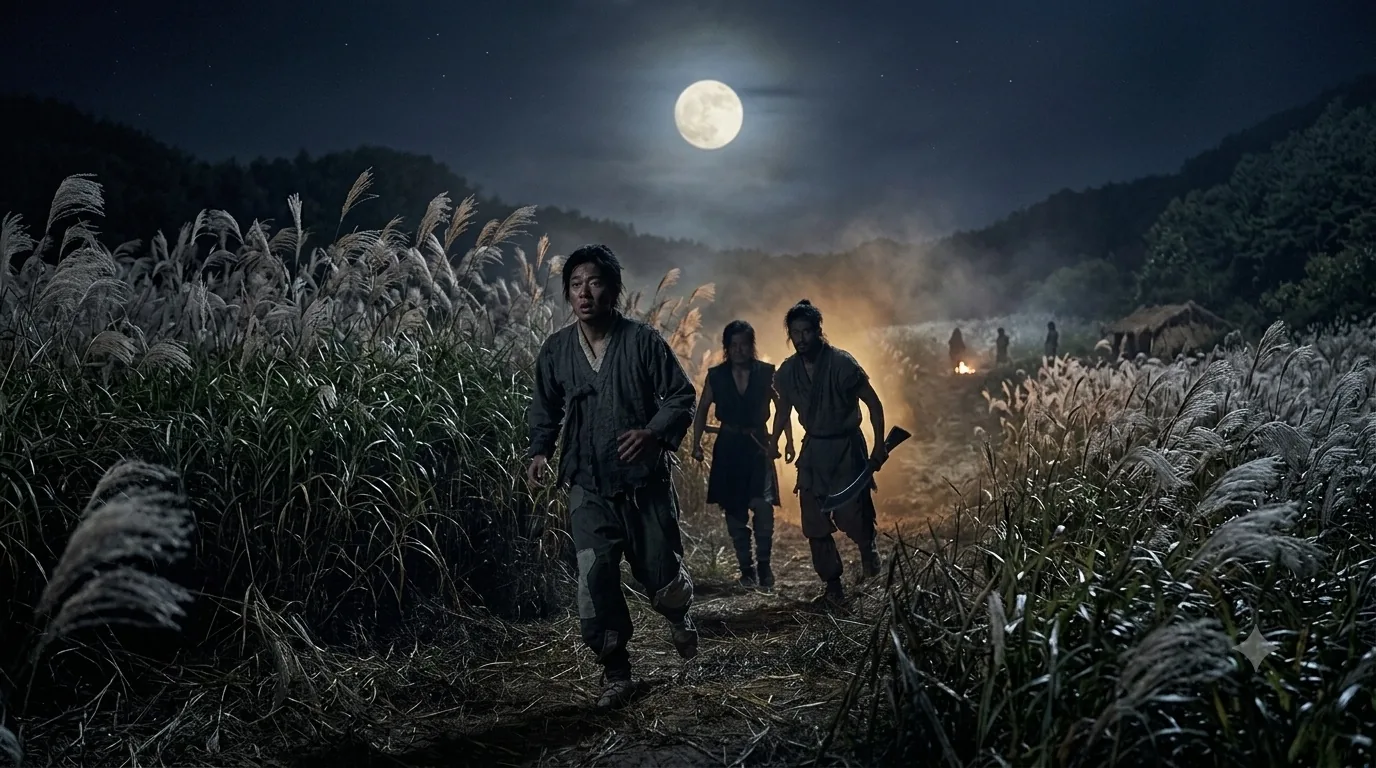 Did Korea Have Slaves? Chuno & the Truth About Joseon's 500-Year Nobi System, Explained
 -
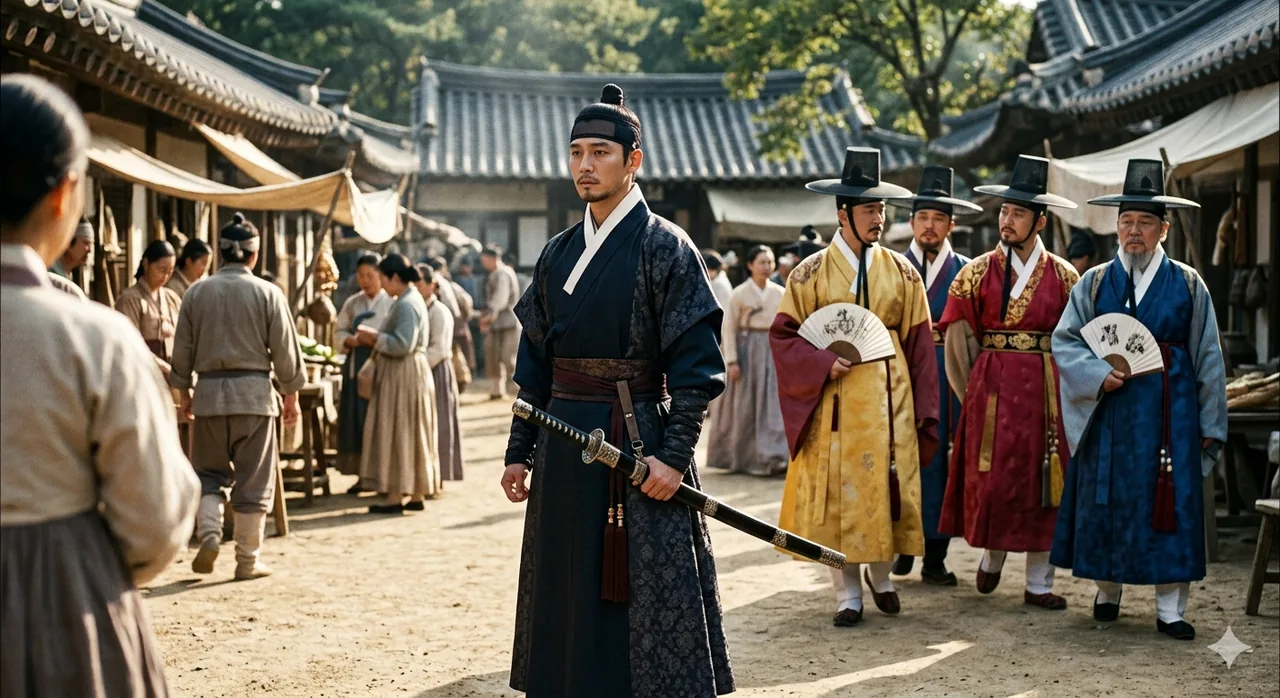 Netflix's Mr. Sunshine, Explained: Why the Butcher's Son Could Never Escape His Blood