Modern Korea
Chaebol, debt, exams, labour, division — the recent history behind today’s dramas.
Not every Korean drama wears silk robes. Squid Game, Misaeng, Reply 1988, SKY Castle — the biggest global hits of the last decade are set in apartments, offices and cram schools. But they are historical dramas too, in their way: every one of them runs on machinery built in the twentieth century. The chaebol conglomerate, the university entrance exam, the office hierarchy, household debt, the divided peninsula — none of these are timeless features of Korean life. Each has a construction date.
The posts in this section dig up those foundations. Why does personal debt drive so many Korean thrillers? Because of a very specific credit history that runs from the 1997 financial crisis through the card boom that followed. Why does a single exam day feel like national destiny? Because the modern suneung inherited the social role of a centuries-old civil service examination. Why do alley communities and coal briquettes carry such emotional weight in Reply 1988? Because both were the infrastructure of survival within living memory.
If the sageuk posts explain where Korea came from, these explain how it became the country the cameras now film: compressed development, and the bills — financial and emotional — that came with it.
-
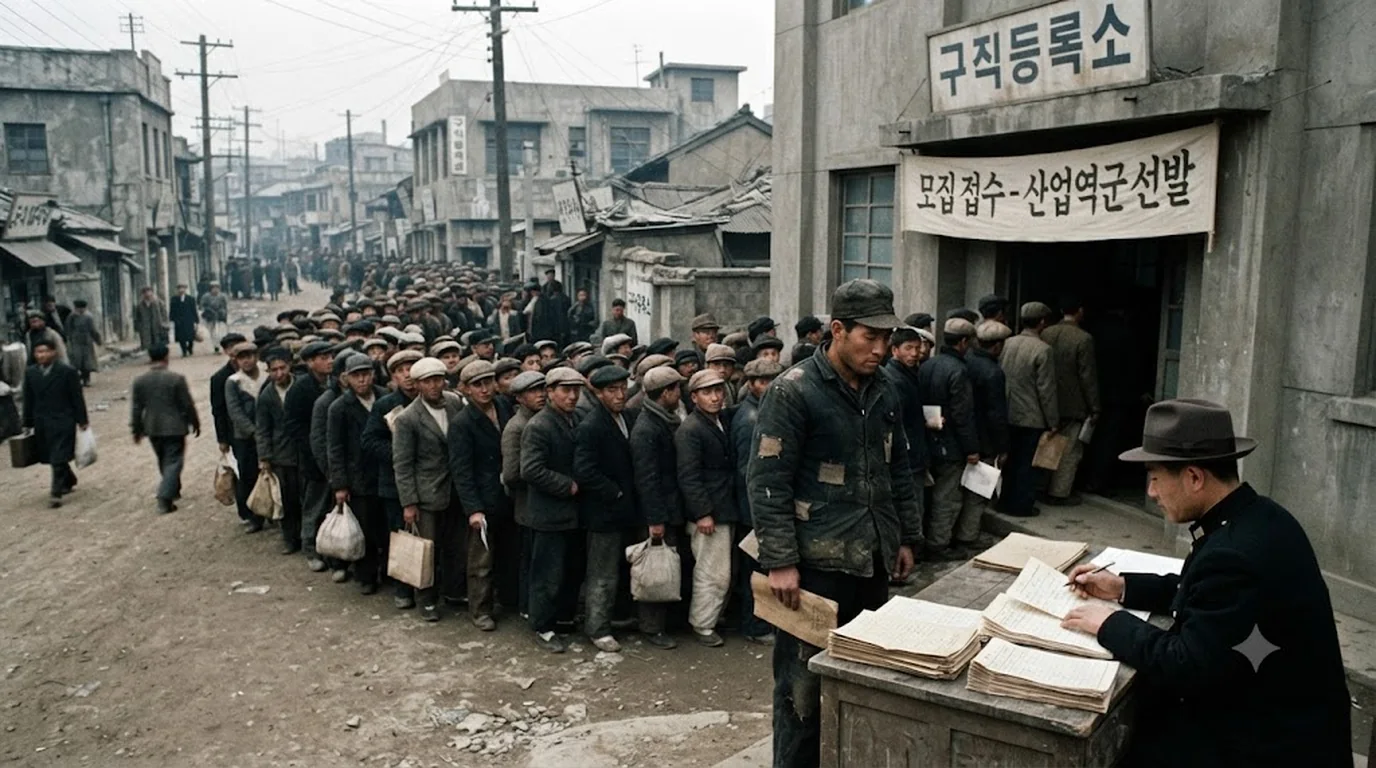 Why Did Korea Send Miners and Nurses to West Germany? Ode to My Father, Explained
 -
 When Did Koreans Start Grilling Samgyeopsal? The History Behind The Dream Life of Mr. Kim
 -
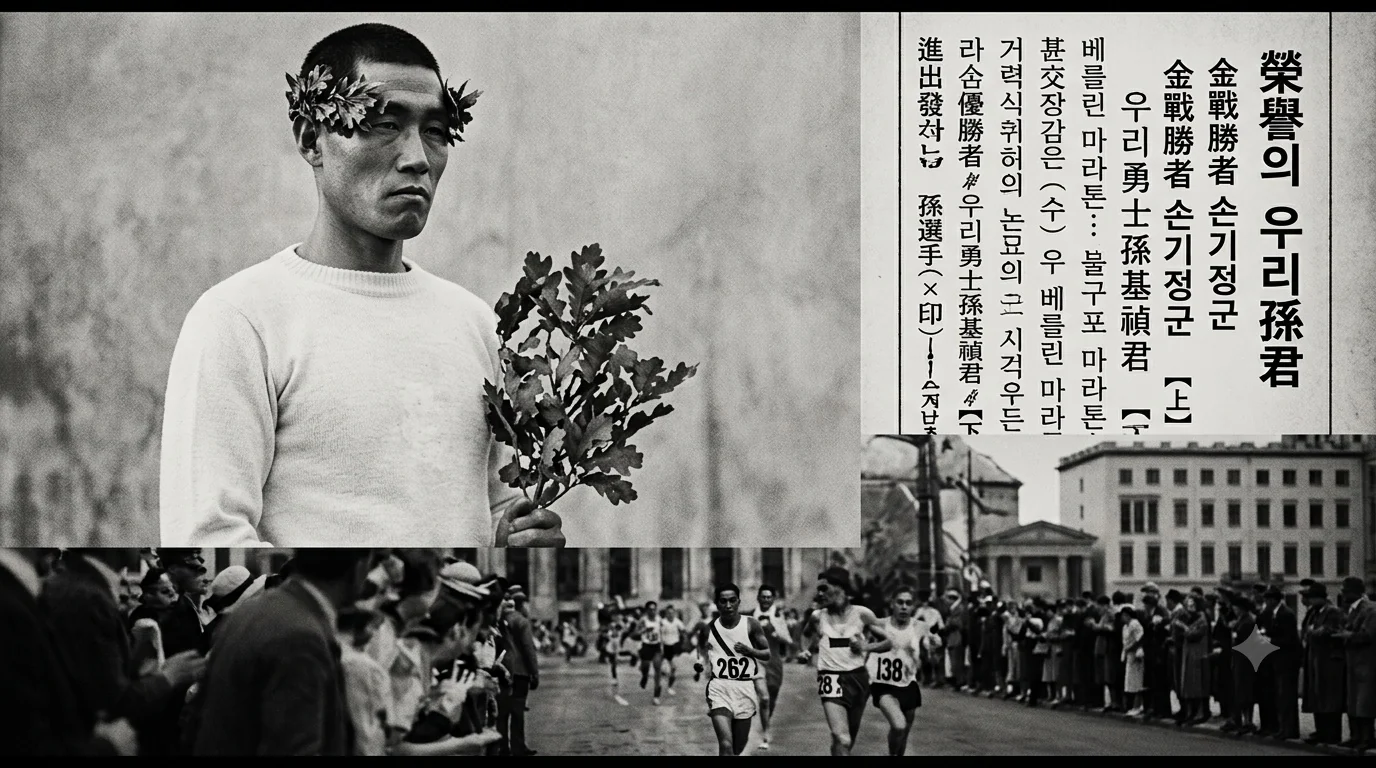 Road to Boston, Explained: They Erased the Flag from the Photograph. Ninety Years Later, the Official Result Still Says Japan.
 -
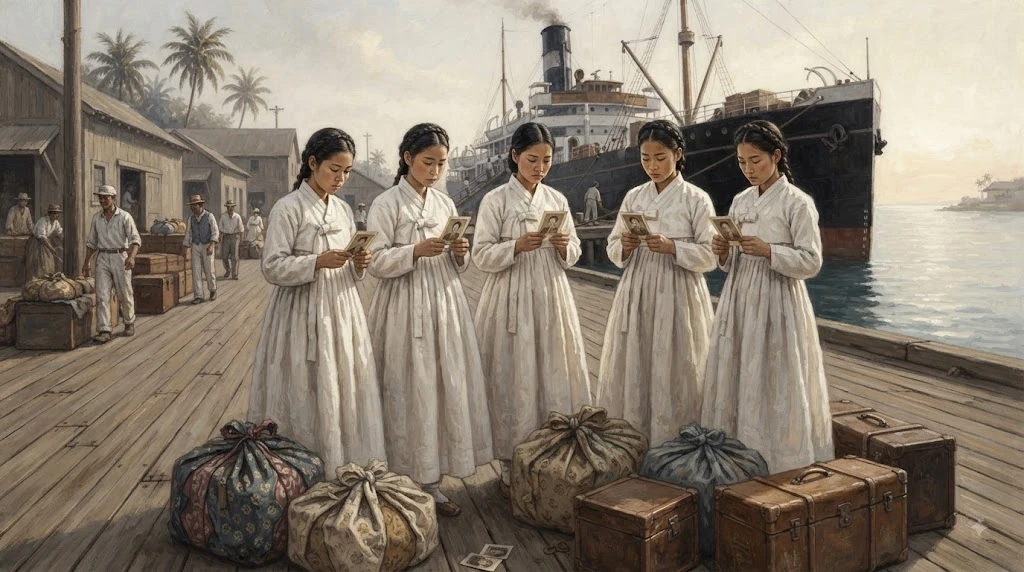 Pachinko, Explained: The Korean Women Who Crossed the Pacific With Only a Photograph
 -
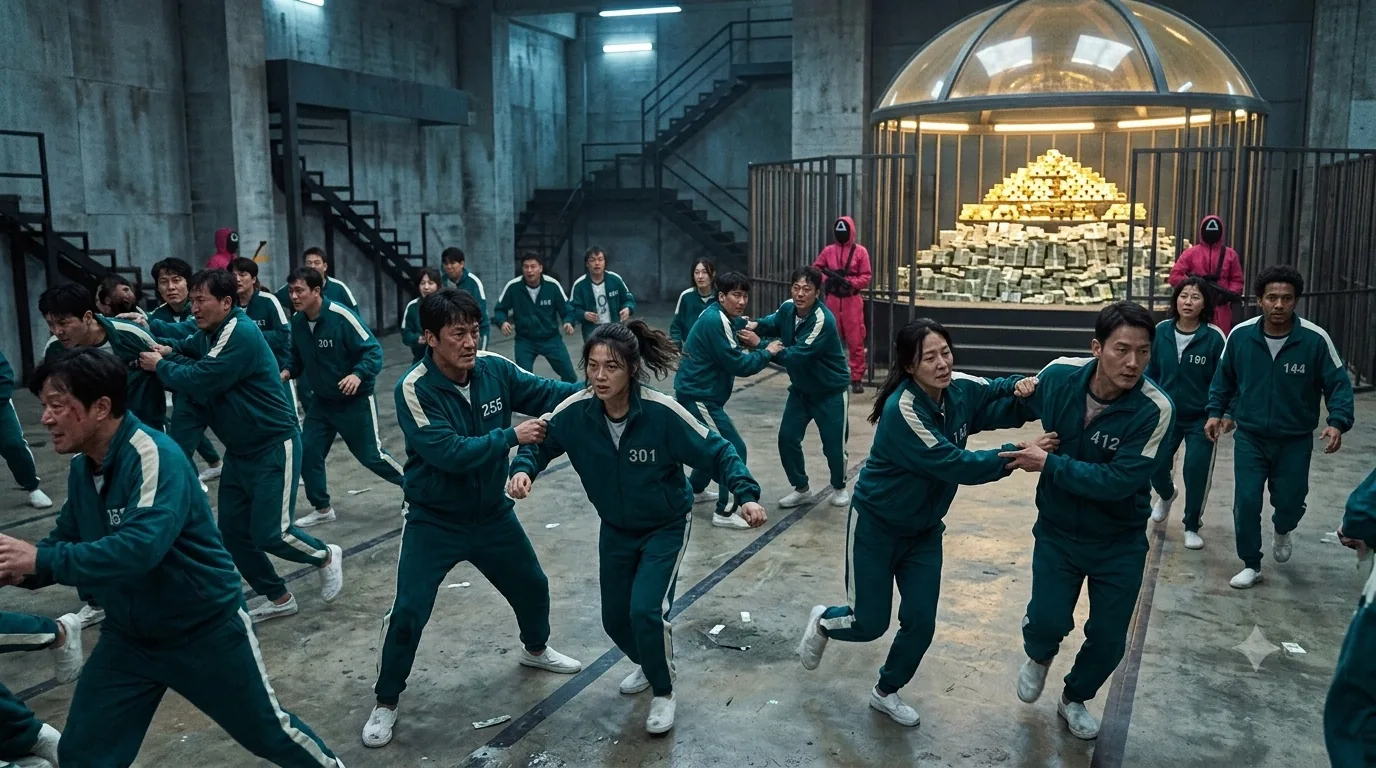 Squid Game, Explained: Why Would Anyone Risk Their Life in a Game Over Debt?
 -
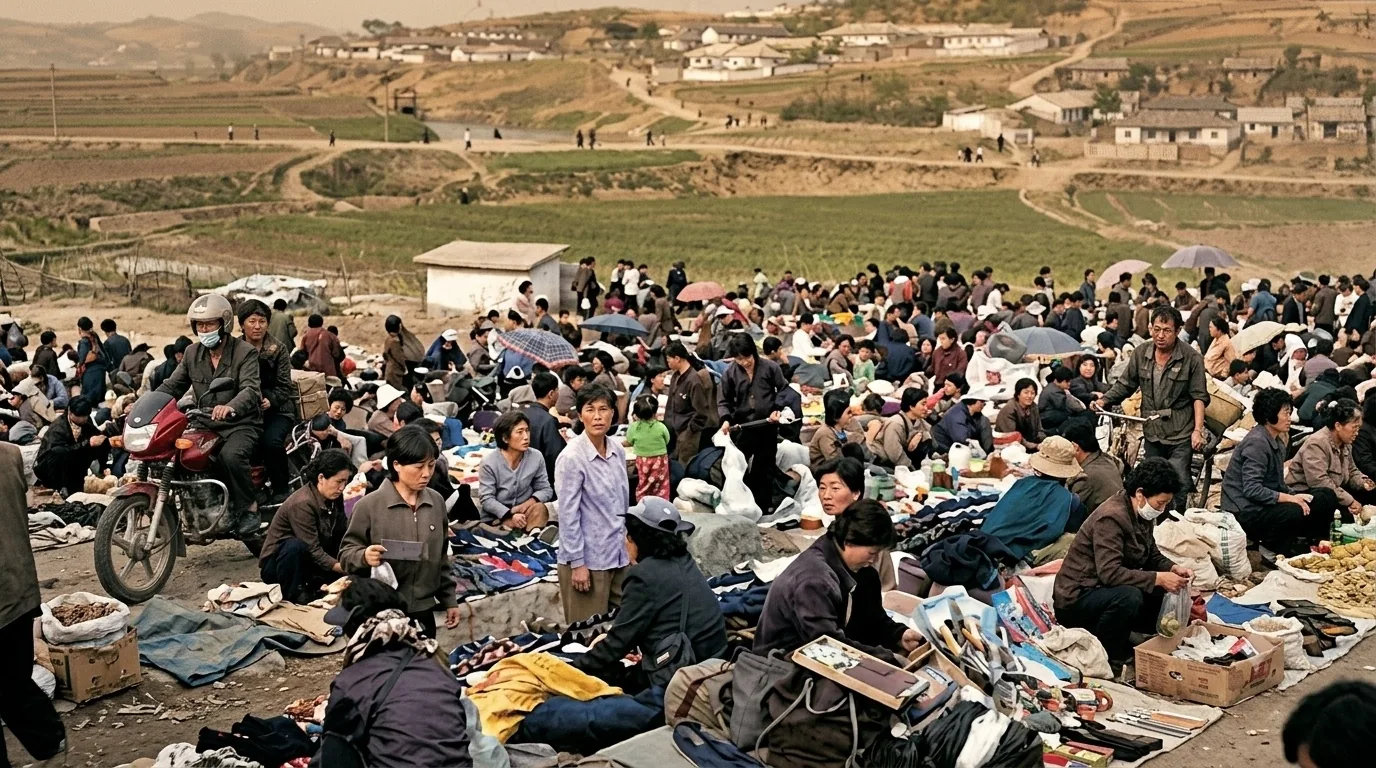 Crash Landing on You: The Women, Rations and Markets Behind North Korea's Jangmadang
 -
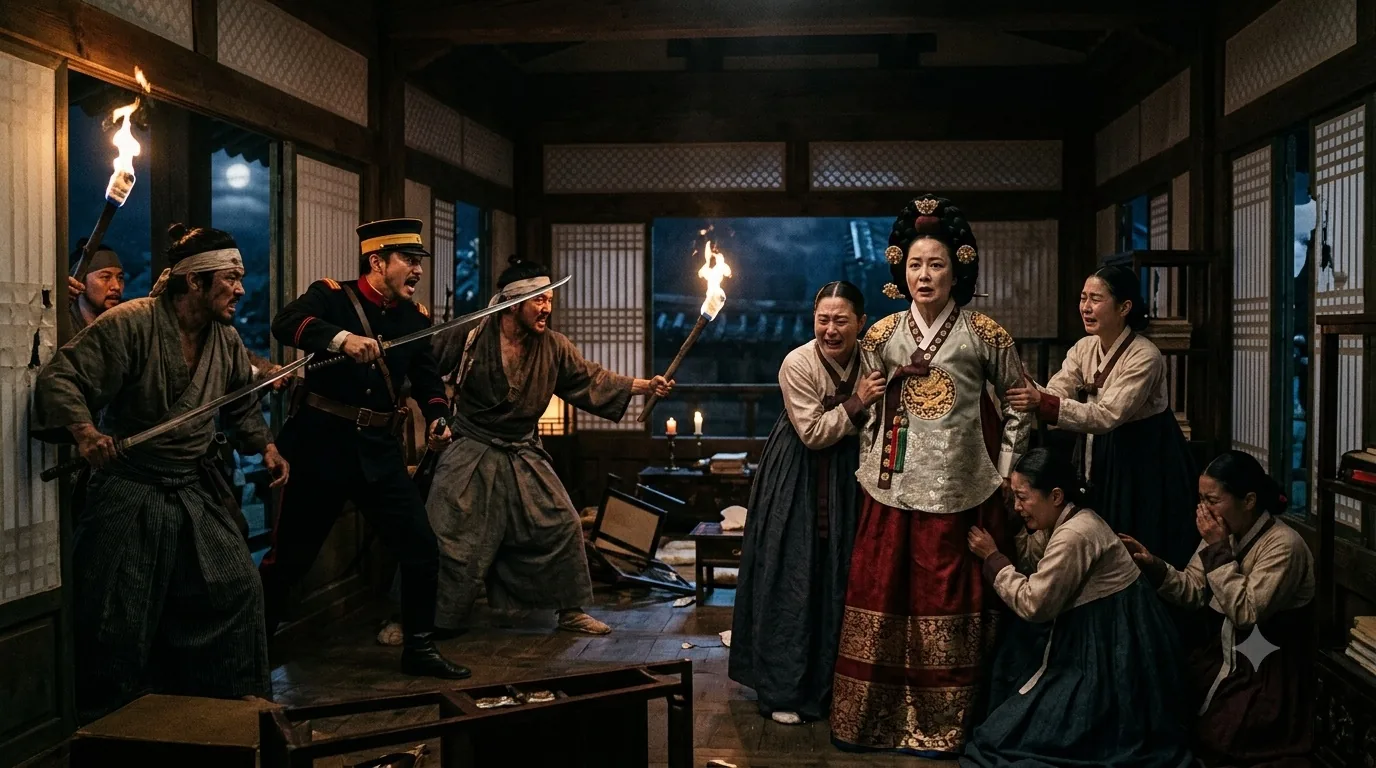 KBS's Empress Myeongseong: The True Story of the Eulmi Assassination
 -
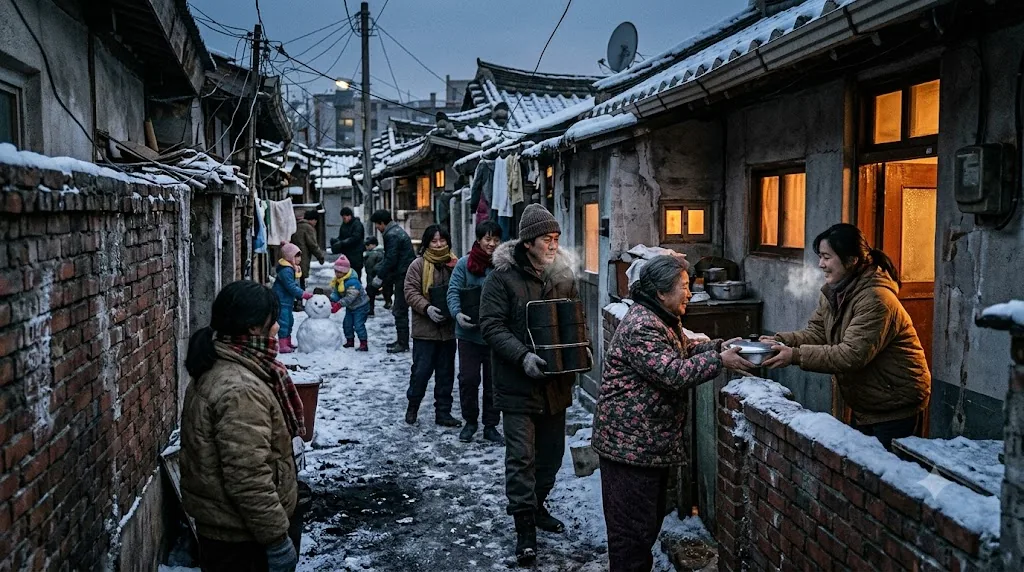 Reply 1988, Explained: How Yeontan Shaped Winter Life in a 1980s Seoul Alley
 -
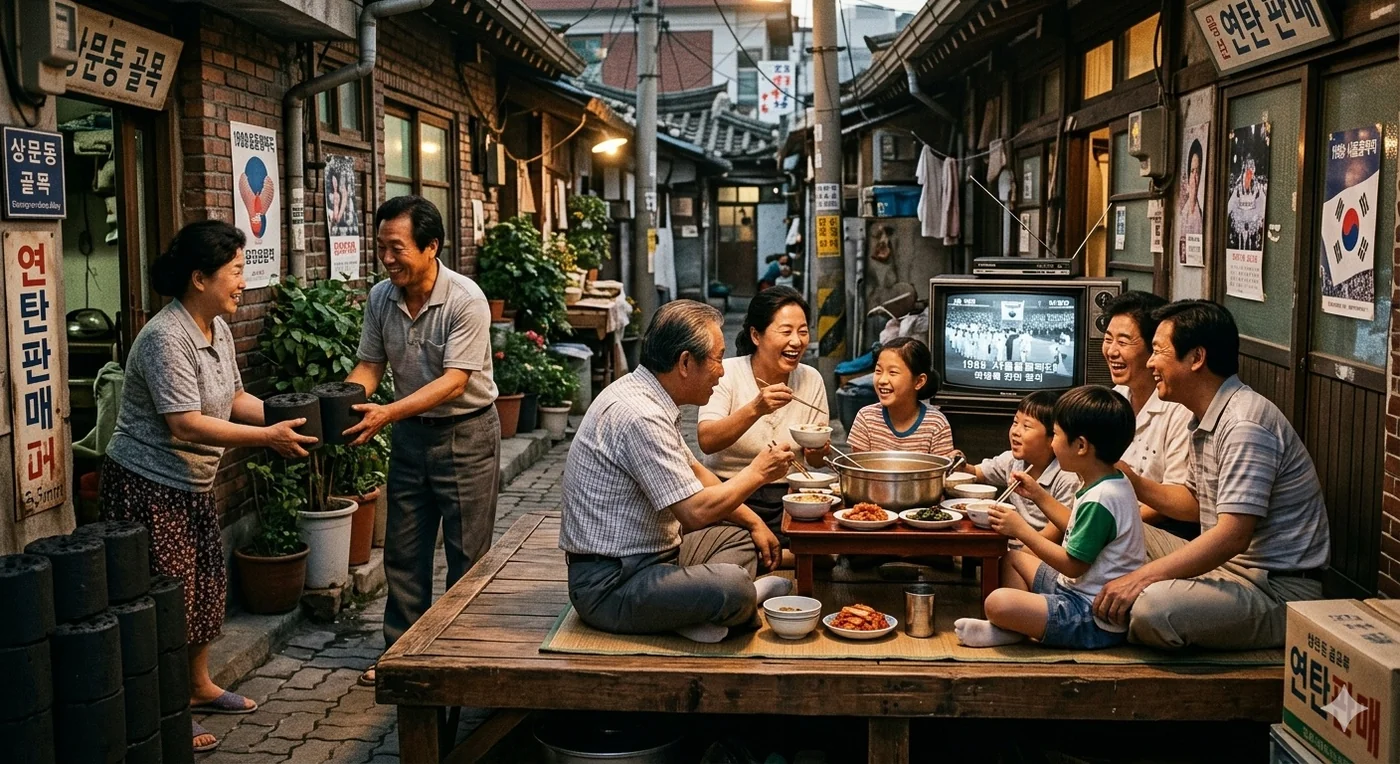 Was Reply 1988's Alley Community Real? Yeontan, the Seoul Olympics, and Korea's Compressed Modernization
 -
 How Korea Built Universal Health Insurance in 12 Years: Hospital Playlist and the Medical Paradox
 -
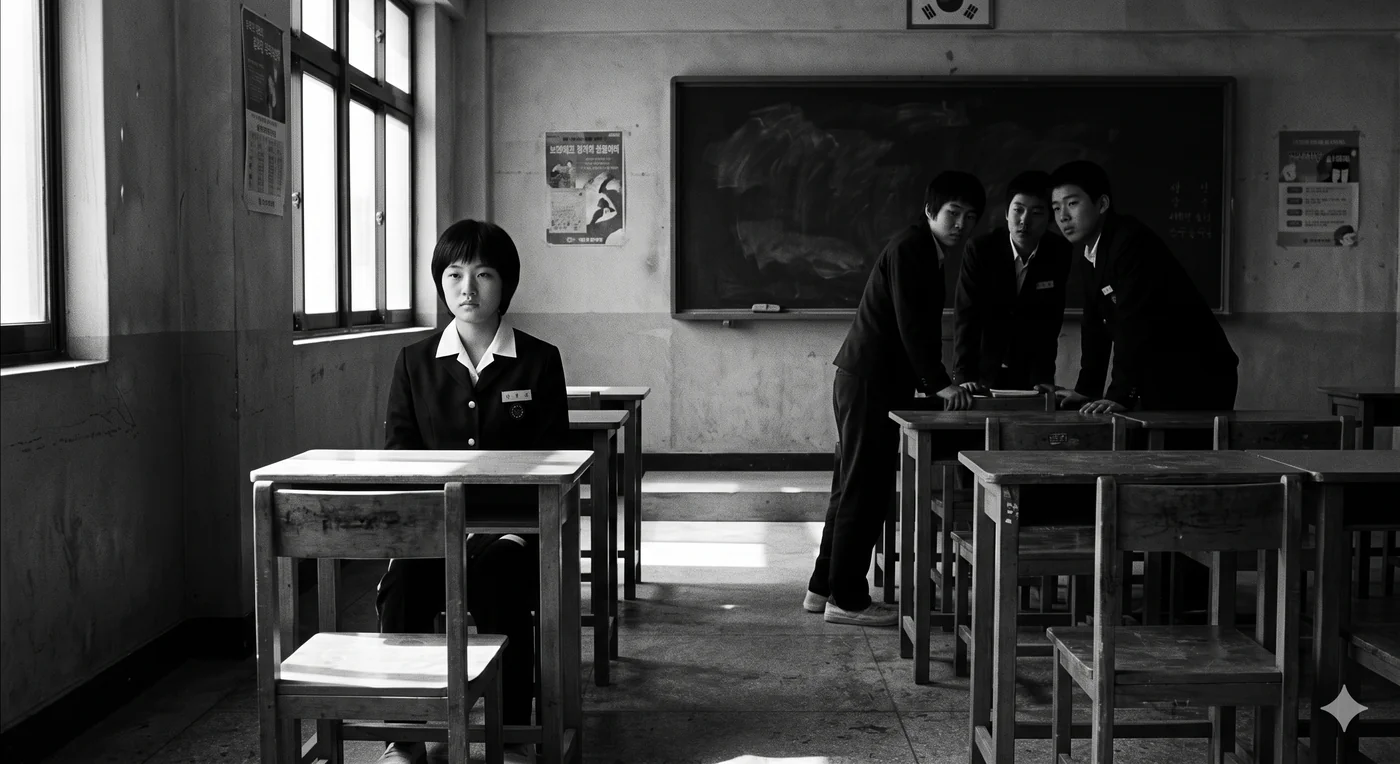 Why Revenge Feels Like Justice in The Glory: Korea's School Violence Crisis, Explained
 -
 Why Do Korean Parents Hire Admissions Coordinators? SKY Castle & Korea's 600-Year Exam Obsession, Explained
 -
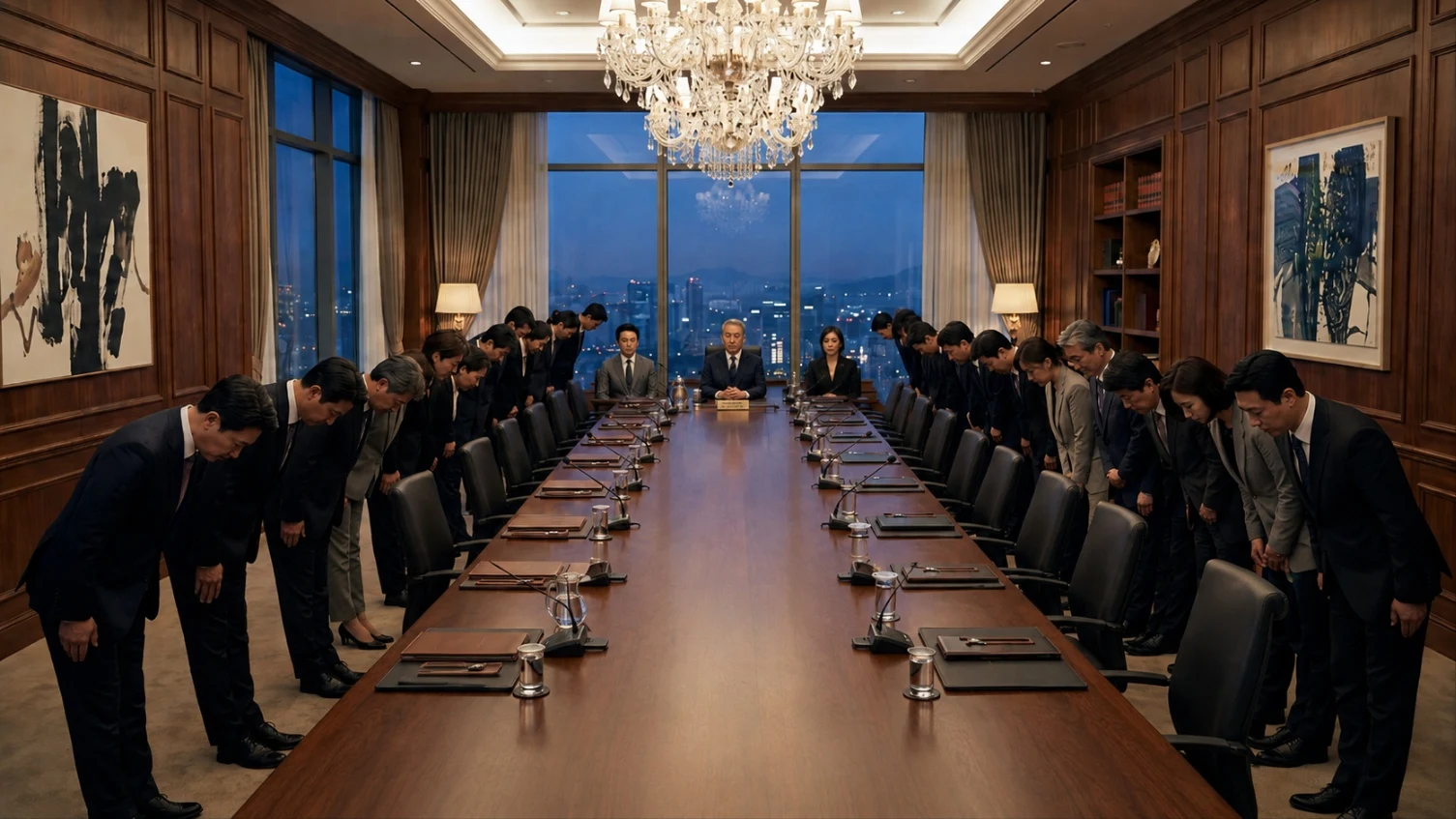 Queen of Tears, Explained: Why Korea's Chaebol Families Are Drawn Like Royal Dynasties
 -
 Misaeng Explained: Korea's Contract Worker Crisis, the IMF Era, and the Two-Year Rule
 -
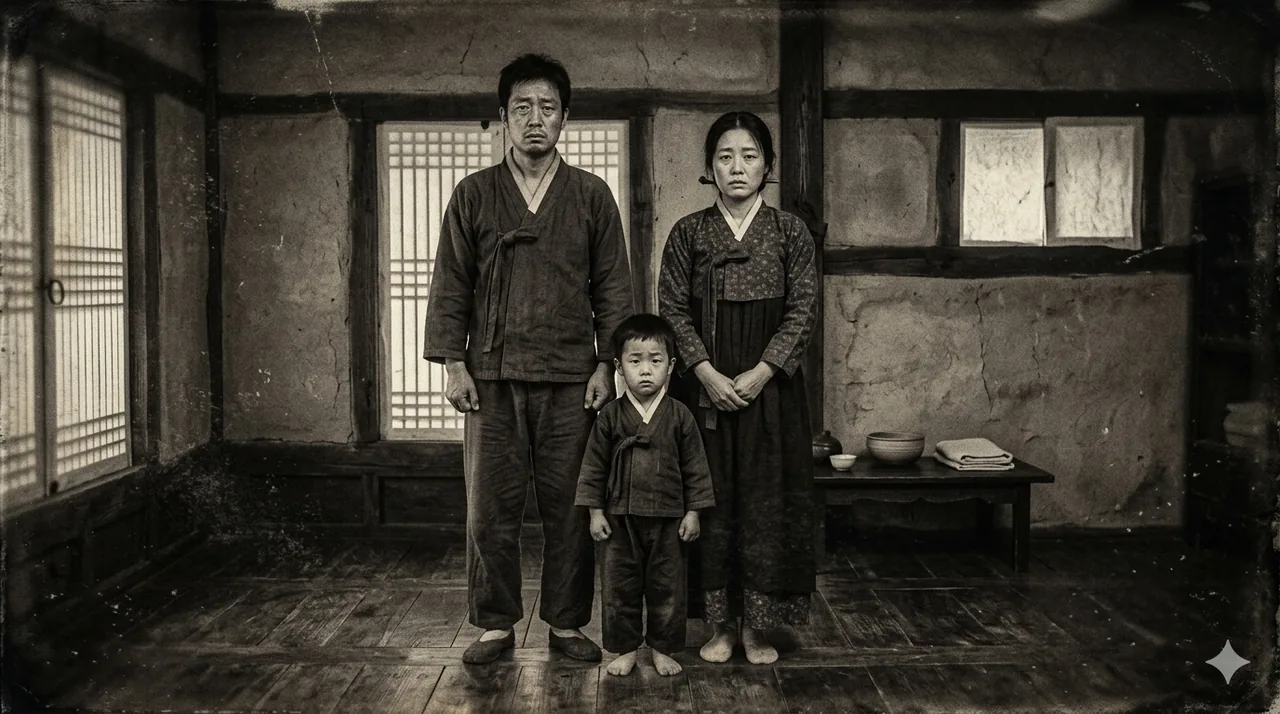 Pachinko, Explained: Why Changing a Name Was a Colonial Wound
 -
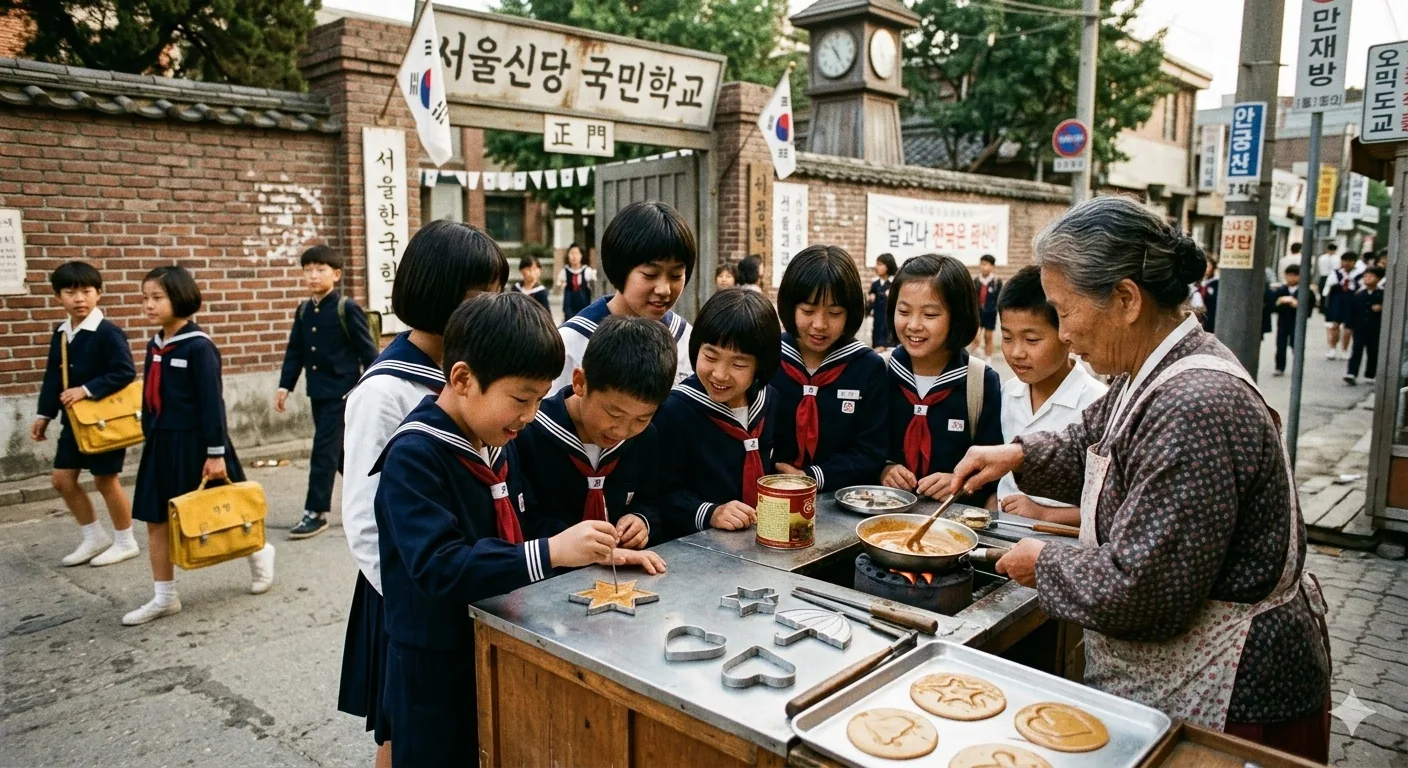 Squid Game's Dalgona Candy, Explained: The Real Korean Childhood Game Turned Deadly