Was Dae Jang Geum Real? Jewel in the Palace and Joseon's Female Physicians, Explained
Theme: Women’s Lives
From the research behind Pause the Drama.
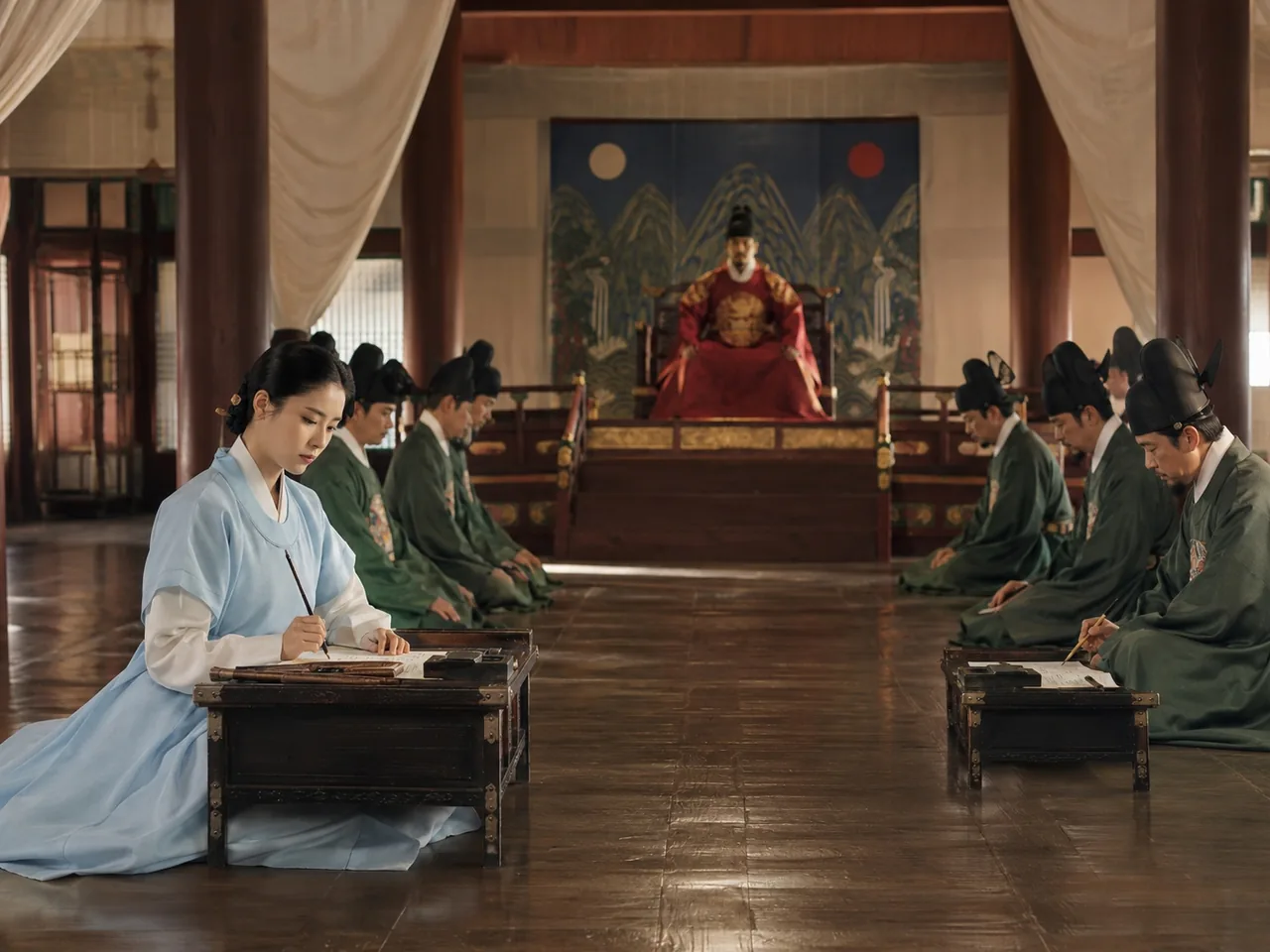
In Jewel in the Palace (대장금), the drama’s most implausible-sounding premise turns out to be its most historically layered. A kitchen maid — a young woman who entered palace service to chop vegetables and balance the king’s dietary humors — rises to become the personal physician of King Jungjong. Audiences around the world found the reversal irresistible. But the question it raises is serious: in Joseon Korea, was there any structural pathway by which a woman in the royal kitchen could reach the king’s sickbed?
The answer requires understanding two institutions that don’t often appear in the same sentence: the suraegan (the royal kitchen) and the euinyeo (the female physician system) — and why those two worlds were closer than they look, without being as close as the drama suggests.
Quick answer: Jewel in the Palace’s kitchen-maid-to-physician arc is creative reconstruction, not strict history. The official chronicle of King Jungjong’s reign (the Jungjong Sillok) does record a court physician named Jang-geum, honored with the title “Great Jang-geum” (Dae Jang-geum), and notes the king’s trust in her skill — but contains no record that she came from the royal kitchen. What is historically real is the shared worldview that makes the story plausible: Joseon’s euinyeo female-physician system, which began in 1406, trained women in herbal medicine and acupuncture, and the royal kitchen’s sik-chi (food-as-medicine) idea connected food and health. The drama imagines one person crossing between two institutions that, in reality, stayed separate.
Let’s unpack both sides.
How was the Joseon royal kitchen organized?
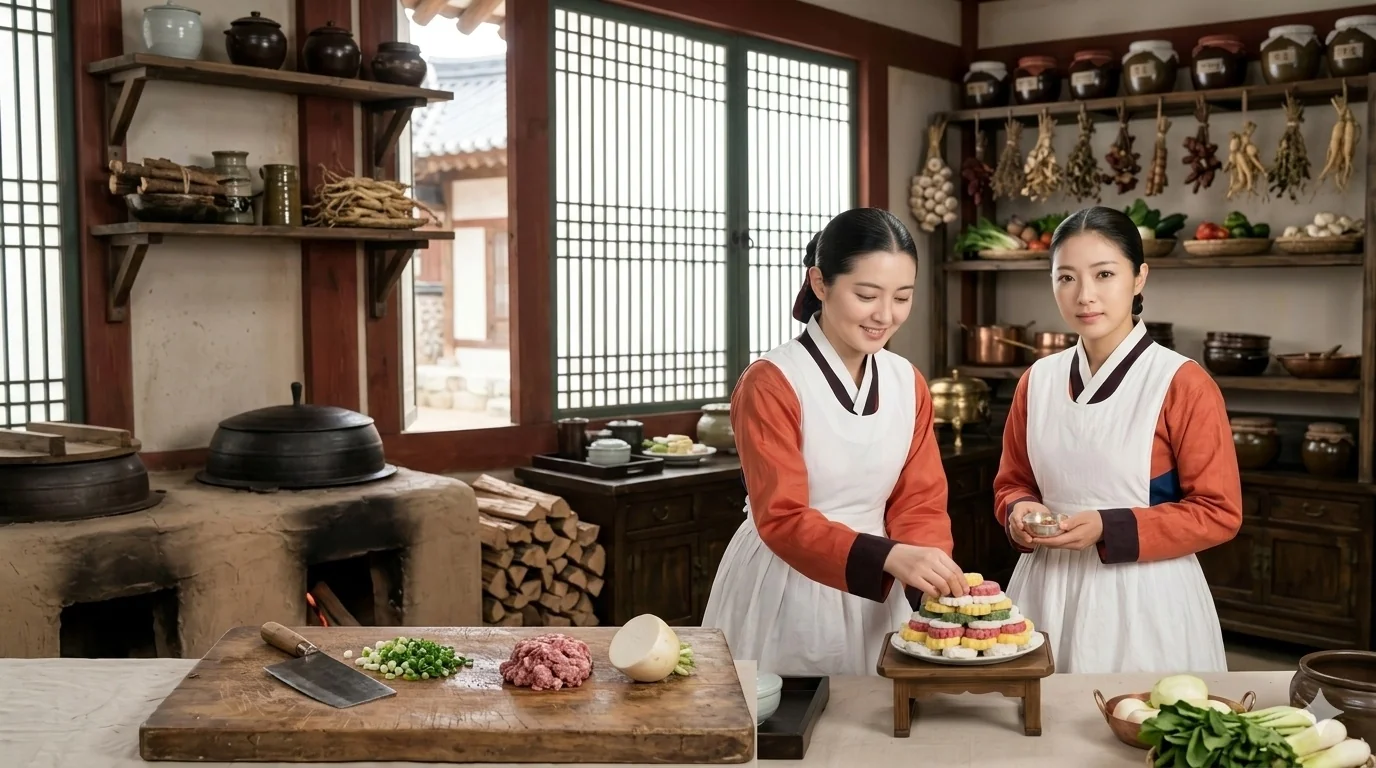
The Joseon royal kitchen — the suraegan (수라간) — was administered by the Saongwon (사옹원), the bureau responsible for the king’s meals, ranked from senior officials down to the lowest kitchen workers. Here a common drama-driven assumption needs correcting: the suraegan was not a women-only domain in which court ladies single-handedly produced the royal table. Much of the actual cooking was done by male master chefs (suksu, and the daeryeong-suksu who specialized in royal banquets), working alongside the head court ladies (sangung) and junior court maids (nain) who entered palace service young and spent decades in apprenticeship.
What did distinguish the suraegan from a secular kitchen was the principle of sik-chi (食治) — the idea that food heals the body, that the choice and preparation of ingredients was itself a kind of care. The concept is documented in early Joseon texts: the Sikyochanyo (食療纂要), one of Korea’s earliest works on therapeutic nutrition, was compiled in 1460 (the 6th year of King Sejo) by the royal physician Jeon Sun-ui (全循義) — with later records showing the text presented at court during King Seongjong’s reign — more than a century before the encyclopedic Dongui Bogam (東醫寶鑑, 1613) systematized Korean medicine.
So kitchen staff needed real working knowledge of ingredients — which roots were warming, which foods were cooling, what was contraindicated, what the royal household preferred. But it would overstate the case to say that herbal pharmacology was their formal official duty. Pharmacology proper — the systematic study of medicinal substances — belonged to the physicians of the Naeuiwon and Jeonuigam, not to the kitchen. The honest picture is layered: the Saongwon bureau, male master chefs, court women, and medical officials each occupied a different rung. Food and medicine touched at the level of sik-chi; they were not the same profession. The drama is not wrong to connect food and medicine — it goes wrong only if we read that connection as an official career ladder from kitchen service to medical office. That overlap is real; the staircase is the invention.
When and why did Joseon create a female physician system?
The euinyeo (醫女, female physician) system began in 1406, the 6th year of King Taejong. According to the Taejong Sillok (third lunar month, sixteenth day), an official named Heo Do petitioned the throne with a stark problem: female patients were going untreated — and in some cases dying — because Confucian propriety made it unacceptable for women to expose their bodies to male physicians. His proposed solution was to select young girls from government offices and teach them pulse-reading (maek-gyeong) and acupuncture so they could treat women. The king agreed, and the Jeseongwon (濟生院) was tasked with the training.
A precise note matters here: 1406 is the starting point, not the moment a fully named institution sprang into being. The 1406 entry describes the measure — teaching medicine to young girls — rather than a finished “euinyeo” office. Over the following years the institution consolidated: by King Taejong’s 18th year (1418), the chronicle is already discussing expanding the euinyeo ranks and setting their numbers, and the system later developed graded ranks. The euinyeo were drawn from gwanbi (government servant women) and trained at the Naeuiwon (內醫院, Royal Medical Bureau) in medical texts — including the Hyangyak Jipseongbang and the Uibang Yuchwi — and in acupuncture and moxibustion. State-funded training of women for a specialized professional role made the euinyeo one of the more unusual institutions in pre-modern East Asian history.
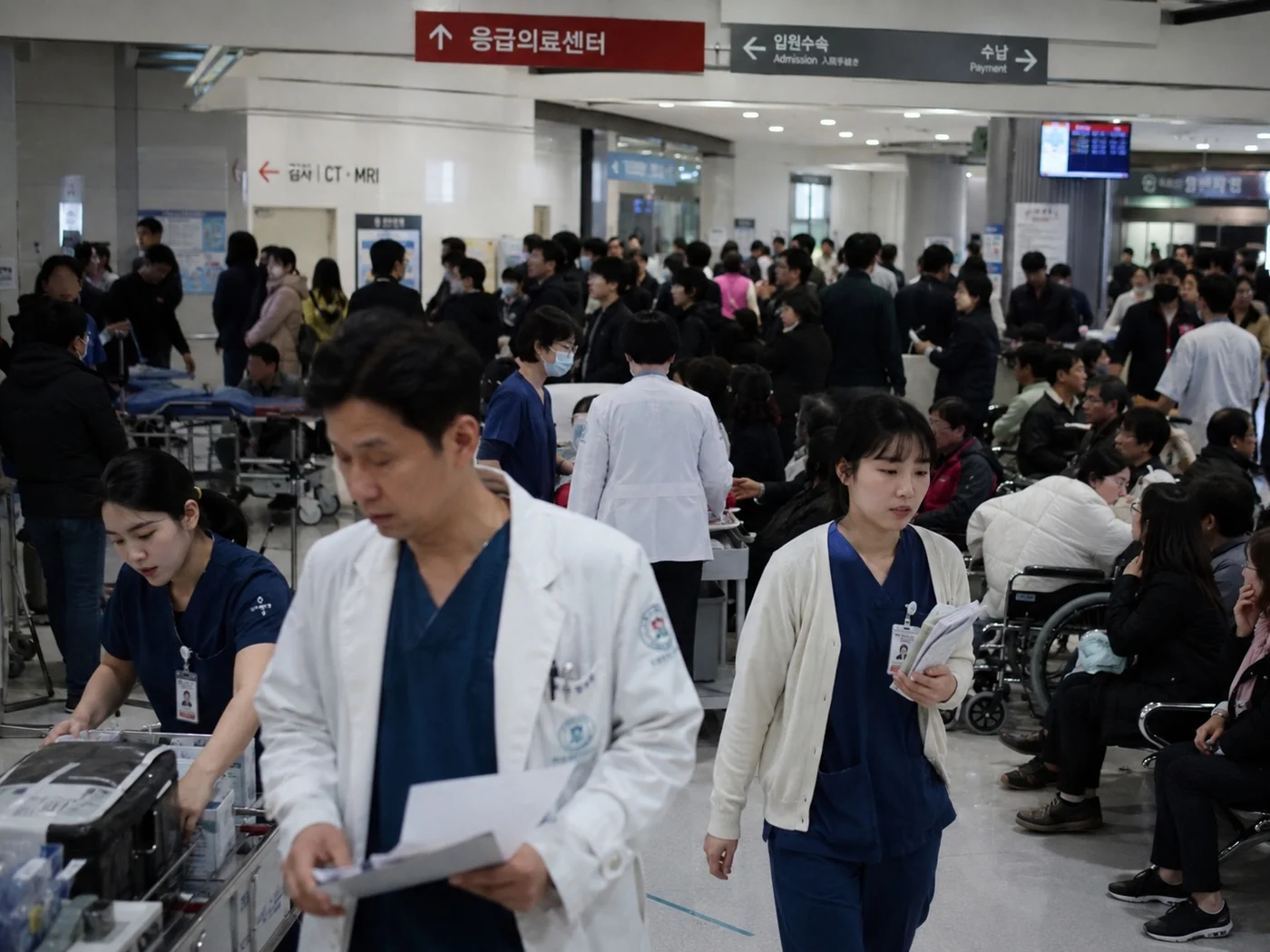
A crucial distinction: the euinyeo were not equivalent to modern physicians, and calling them “female doctors” in the full modern sense overstates their position. They are better described as state-trained female medical practitioners: their primary roles were examining female patients (often as intermediaries for male medical officials), performing acupuncture, and serving as midwives. A small number of exceptional euinyeo — the historical Jang-geum among them — were trusted with direct royal treatment. That was the exception, not the rule.
The euinyeo’s social status remained in the servant (bi) class throughout the Joseon period. Public recognition came through function, not legal standing. The state had created a professional role without lifting the social ceiling.
Drama vs. real history — how much does Jewel in the Palace take creative license?
| In Jewel in the Palace | In real Joseon |
|---|---|
| Kitchen maid Jang-geum transitions directly to euinyeo physician | The Jungjong Sillok records a euinyeo Jang-geum; the chronicle contains no record linking her to the suraegan |
| The royal kitchen is a women’s world of cook-healers | Run by the Saongwon bureau, with male master chefs (suksu) doing much of the cooking; court women were one layer of several |
| Kitchen knowledge is essentially herbal pharmacology | Kitchen staff knew ingredients’ properties via sik-chi; formal pharmacology belonged to the Naeuiwon/Jeonuigam physicians |
| Jang-geum becomes King Jungjong’s personal physician (Dae Jang-geum) | The title “Dae Jang-geum” appears in the Jungjong Sillok; the king’s trust in her is recorded |
| Euinyeo are treated as near-equals to male officials | Euinyeo remained in the servant class; their professional role was exceptional, their social standing was not |
The drama’s stroke of genius is to put one person in two rooms — kitchen and clinic — that history kept on different floors. The connection between them (sik-chi, the medicinal logic of food) was real; the single staircase between them was invented.
Key terms. Suraegan (수라간) — the Joseon royal kitchen, run by the Saongwon bureau, staffed by male master chefs (suksu) as well as court ladies. Sik-chi (食治) — healing through food; the worldview linking cuisine and health. Euinyeo (醫女) — the female-physician system that began in 1406; trained at the Naeuiwon in texts and acupuncture, they treated female patients and occasionally the royal family, while remaining in the servant class. Naeuiwon (內醫院) — the Royal Medical Bureau where euinyeo were trained; pharmacology’s true home. Sikyochanyo (食療纂要) — Korea’s early text on therapeutic nutrition, compiled 1460 by Jeon Sun-ui. Jungjong Sillok (중종실록) — the chronicle recording the historical Jang-geum.
How did women’s roles in food and medicine compare globally in the pre-modern world?
The Joseon euinyeo looks unusual even in world-historical comparison — not because women healing was rare, but because state institutionalization of women’s medical training was.
China (Ming and Qing dynasties) — parallel kitchen, different medical structure. The imperial kitchen, the Yushanfang (御膳房), was staffed primarily by male eunuchs and professional cooks, not by court ladies in the Joseon mold. The imperial medical establishment, the Taiyi Yuan (太醫院), trained male physicians. Women played roles in Chinese folk medicine and midwifery, but a state-run system for training women physicians comparable to the euinyeo did not exist in the same form.
Japan (Edo period) — medicinal cuisine tradition, confined female roles. Japan developed a rich yakuzen (薬膳, medicinal cuisine) tradition, particularly within temple and warrior-class culture. But formal medical roles for women in the Edo period were largely confined to midwives (kobasan’ba); state-institutionalized female-physician training did not emerge as it did in Joseon. In that specific respect, Joseon was more structurally innovative.
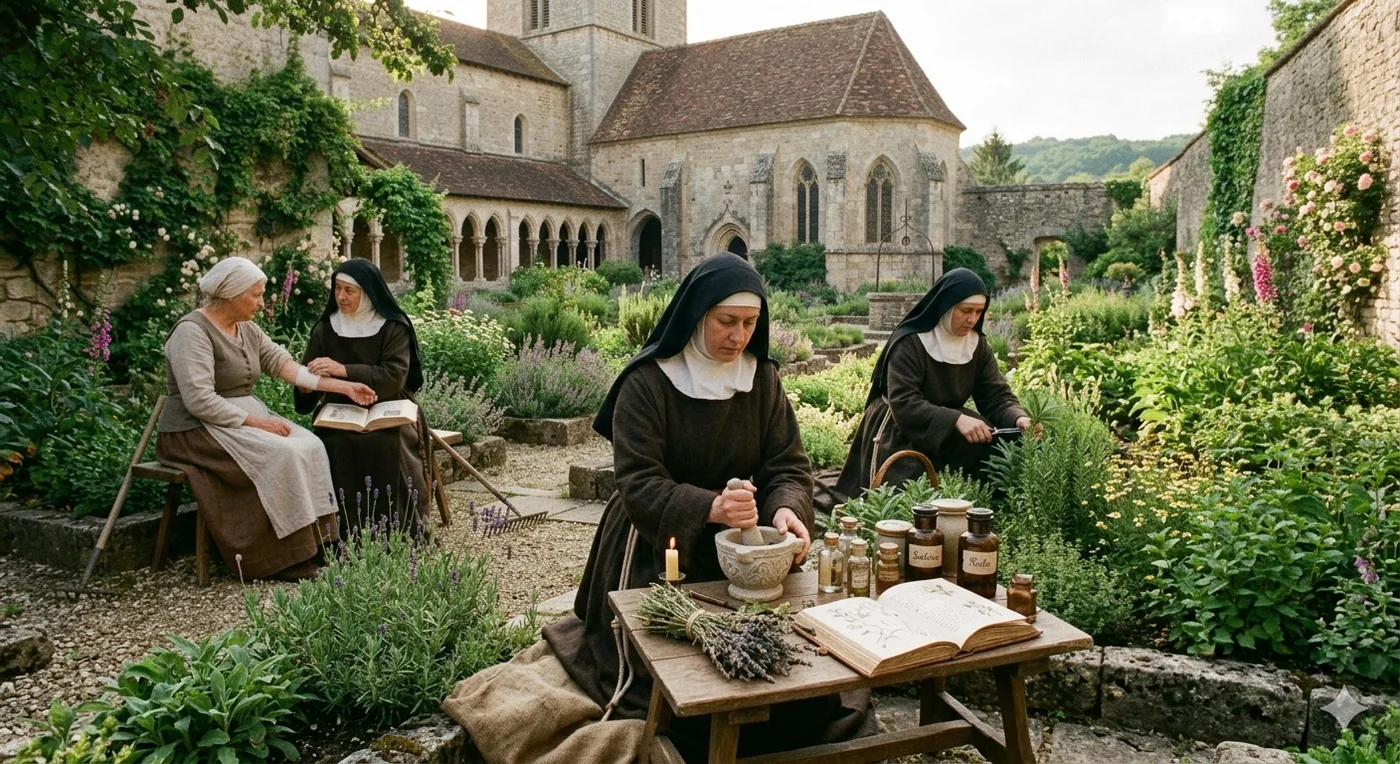
Medieval and early-modern Western Europe — herbal knowledge without institutional protection. Women in medieval Europe played significant roles in healing through herbalism, midwifery, and care within convents — the convent physic garden was a real institution. The medical milieu of Salerno in southern Italy is often cited here, usually through the name “Trotula.” But the scholarship (notably Monica H. Green’s critical work on the Trotula texts) is careful: Trotula is the title of a compendium of three distinct works on women’s medicine compiled in 12th–13th-century Salerno, not the name of a single author. Behind it stood a real woman healer, Trota of Salerno — but she should not be cast as a “nun” (she was not a convent woman) or a “university professor” (an anachronism). Whether she authored, inspired, or merely lent authority to the texts is debated. What is clear is that the medieval guild system increasingly excluded women from formal medical practice, and that women with herbal knowledge were, in some times and places, vulnerable to accusations of witchcraft rather than professional recognition. The Joseon euinyeo, operating within a Confucian state that needed their function, had something the European herbalist usually lacked: institutional legitimacy.
Coming up next
A kitchen and a clinic — separated by social class and institutional design, connected by the medicinal logic of the same herbs. The drama’s stroke of genius was to imagine one person crossing between them. The history shows the connection was real, even when the crossing was not.
In the next essay, we move from the Joseon palace to the Yuan imperial court — to ask what the tribute women of Goryeo can tell us about one of history’s least-examined systems of human exchange.
Thanks for reading — see you in the next one.
Frequently asked questions
Was Dae Jang-geum a real historical figure? In part. A figure called “Euinyeo Jang-geum” appears in the Jungjong Sillok (the official chronicle of King Jungjong’s reign), and the title “Dae Jang-geum” — Great Jang-geum — is also recorded, indicating the king’s exceptional trust in her medical skill. However, the chronicle contains no record connecting her to the royal kitchen. The drama’s kitchen-maid-to-physician arc is creative reconstruction built around a real but thinly documented historical name.
What was the Joseon royal kitchen (suraegan) like? The suraegan was administered by the Saongwon bureau and was not a women-only space: male master chefs (suksu) did much of the actual cooking alongside court ladies who entered palace service young and trained for decades. Their work was informed by sik-chi — healing through food — which required practical knowledge of ingredients’ properties, though not the formal herbal pharmacology that belonged to the Naeuiwon physicians.
When and how did Joseon create the euinyeo system? It began in 1406, the 6th year of King Taejong. The Taejong Sillok records that an official, Heo Do, petitioned that women were dying untreated because propriety forbade male physicians from examining them, and proposed teaching young girls pulse-reading and acupuncture; the Jeseongwon was tasked with the training. 1406 is the starting point — the named euinyeo institution consolidated over the following years (by 1418 the chronicle discusses expanding their ranks).
What is sik-chi, the food-as-medicine philosophy? Sik-chi (食治) is the principle that food choices and preparation are themselves acts of care — the right ingredients, correctly combined, support health. It is documented in the Sikyochanyo, compiled in 1460 (6th year of King Sejo) by the royal physician Jeon Sun-ui — over a century before the Dongui Bogam (1613). It is the worldview behind the drama’s kitchen-clinic link, though it did not make a kitchen maid a trained pharmacologist.
Could a kitchen maid actually become a royal physician in Joseon? The direct path shown in the drama is fictional. Euinyeo were trained separately from kitchen staff, schooled at the Royal Medical Bureau from the start of their palace service. What is true is that royal cuisine and medicine shared the sik-chi worldview — the drama dramatizes that shared ground around the historical name Jang-geum.
What was the euinyeo’s actual social status? Euinyeo remained in the servant (bi) class throughout the Joseon period, selected from government female servants. Their professional recognition came through their function, not their legal standing. A small number of exceptional euinyeo received extraordinary treatment from the royal family, but this was the exception. The system created a professional role without lifting the social ceiling.
How does Joseon’s euinyeo compare to women in medicine in China, Japan, and Europe? Joseon’s system was distinctive for its degree of state institutionalization. Ming and Qing China’s imperial kitchen was staffed by male eunuchs; formal state training of female physicians was not systematized comparably. Edo Japan confined women’s medical roles largely to midwifery. In medieval Europe, the Salerno name “Trotula” refers to a compendium of three texts, not a single author; behind it stood a real woman healer, Trota of Salerno — not a nun or a professor — while the guild system increasingly excluded women from formal practice.
What happened to the euinyeo system after Joseon? The institution dissolved during the Gabo Reforms of 1894, which introduced modern medical frameworks. Modern Korean female physicians began emerging from the early 1900s through new medical-education systems. The royal kitchen’s culinary lineage survives differently — Joseon royal court cuisine was designated Important Intangible Cultural Property No. 38 (1970) and is maintained by the Institute of Korean Royal Cuisine.
Was Jang-geum really King Jungjong’s personal doctor? The Jungjong Sillok records that a euinyeo named Jang-geum, later honored as Dae Jang-geum (Great Jang-geum), was trusted for her medical skill and permitted to attend to the king. But the record is brief — it documents the king’s trust and her title, not a full biography, and says nothing about a royal-kitchen background. The drama fills that silence with invention.
Did Joseon women have access to medical care? It was difficult under elite Confucian gender norms, which made direct examination by male physicians improper for women — a barrier serious enough that, by the petition that founded the euinyeo system in 1406, women were said to be dying untreated. The euinyeo system was the state’s solution: female medical practitioners trained to examine and treat women, and to assist male physicians where propriety otherwise blocked care.
Is Jewel in the Palace historically accurate? It is historically grounded rather than strictly accurate. The drama draws on real institutions — the royal kitchen (suraegan), food therapy (sik-chi), the Royal Medical Bureau (Naeuiwon), and the euinyeo system — and a real recorded name (Jang-geum). But it combines them into a single fictional life path: the kitchen-maid-to-royal-physician arc is dramatic reconstruction, not documented biography.
Sources & further reading
This piece was written from the historical script and fact-check of 사뚱샘의 역사방 (SaDDungSam), with primary and official sources linked inline beside the claims they support:
- The euinyeo system, its 1406 founding, and Naeuiwon training — Encyclopedia of Korean Culture, euinyeo (Academy of Korean Studies); 우리역사넷 (National Institute of Korean History), founding of the euinyeo system; Taejong Sillok (Taejong 6 / 1406, and Taejong 18 / 1418) via the Veritable Records of the Joseon Dynasty.
- Sik-chi and the Sikyochanyo (Jeon Sun-ui, 1460) — Encyclopedia of Korean Culture, Sikyochanyo; Encyclopedia of Korean Folk Culture (National Folk Museum).
- The Saongwon, royal cuisine, and its heritage status — Encyclopedia of Korean Culture (Saongwon entry); Cultural Heritage Administration, Joseon royal court cuisine as Important Intangible Cultural Property No. 38 (designated 1970), maintained by the Institute of Korean Royal Cuisine.
- Trota of Salerno and the Trotula texts — Monica H. Green, The Trotula: A Medieval Compendium of Women’s Medicine (University of Pennsylvania Press); Green, Making Women’s Medicine Masculine (2008), for the scholarly account of Trota as a real healer behind a composite, authority-bearing title.
- Comparative East Asian context (China’s Yushanfang/Taiyi Yuan; Japan’s yakuzen and midwifery) — Encyclopædia Britannica (traditional Korean medicine; Korean cuisine) and comparative scholarship on pre-modern women in healing roles.
Thanks for reading — see you in the next one.
This article was researched and written by K-Drama History. Source: Was Dae Jang Geum Real? Jewel in the Palace and Joseon's Female Physicians, Explained — K-Drama History