Why Do Korean Parents Hire Admissions Coordinators? SKY Castle & Korea's 600-Year Exam Obsession, Explained
Theme: Modern Korea
From the research behind Pause the Drama.
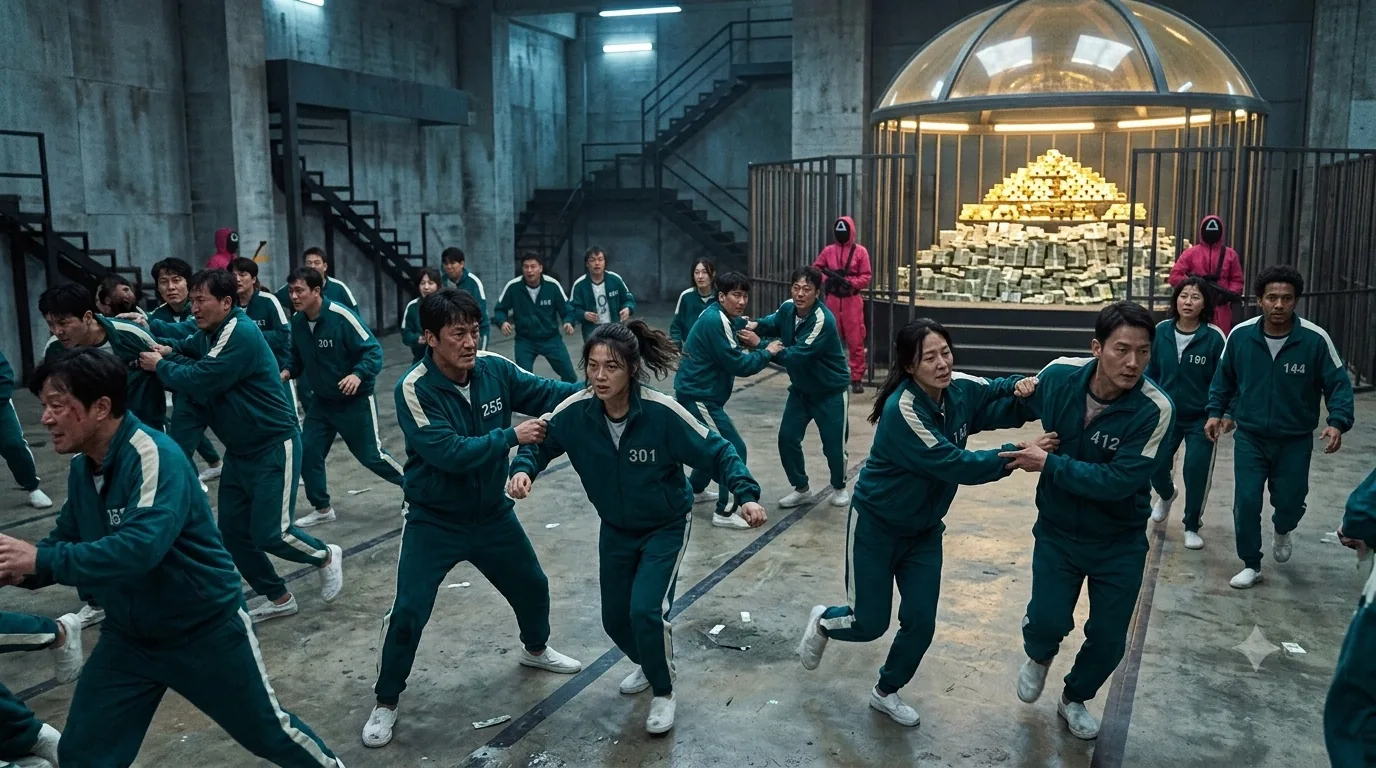
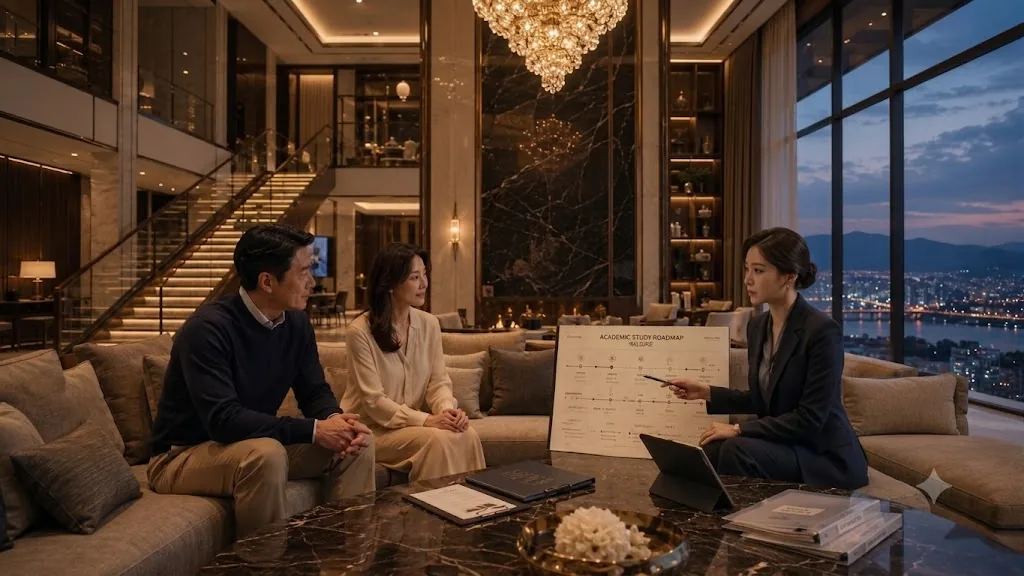
In SKY Castle (SKY 캐슬), the most frightening character isn’t a villain in the usual sense. It’s Kim Joo-young, a private admissions “coordinator” who engineers everything: a child’s study schedule, the mock interviews, the parents’ posture at the dinner table. She is hired — for a sum that would buy a house — to deliver one outcome: admission to a SKY university.
That premise unsettled viewers around the world, and it raised an uncomfortable question. Why would wealthy Korean parents outsource their own children’s admissions to a stranger, just to reach Seoul National, Korea, or Yonsei University (서울대·고려대·연세대 — the schools whose initials spell SKY)? The answer doesn’t begin in a riverside luxury villa. It begins about 600 years earlier, in the examination halls of Joseon Korea.
Quick answer: SKY Castle’s admissions coordinator is fictional, but the private consulting culture behind her is real. The drama satirizes Korea’s obsession with its top three universities — Seoul National, Korea, and Yonsei, whose initials spell SKY. The obsession is rooted in history: Joseon’s civil-service exam (the gwageo) made exam success the path to family status, and postwar poverty turned education into the main elevator out of hardship. Today, because a person’s university still filters their job and marriage prospects, parents going “all-in” is a rational response to a real structure — backed by a private-tutoring market worth about ₩27.5 trillion (Statistics Korea, 2025).
Let’s unpack it.
Did Joseon’s civil-service exam plant the DNA of modern Korea’s exam race?
Joseon (1392–1897) inherited and intensified the gwageo (과거), the state civil-service examination, organizing it into civil (munkwa), military (mukwa), and technical (japkwa) tracks. The civil exam was the prize, because it was the gateway to officialdom — and therefore to a family’s social standing and economic security.
And it was savagely narrow. The regular triennial civil exam — the sigyeonsi (식년시) — selected only about 33 final passers, ranked into three grades (3 in the top gapgwa, 7 in eulgwa, 23 in byeonggwa). That figure is the standard quota of the regular exam, not a fixed law of every sitting: irregular exams held for royal celebrations or special occasions (jeunggwangsi, byeolsi, alseongsi) could select different numbers. But the principle held — passing was so rare that preparation became a multi-generational family enterprise. Wealthy yangban households invested heavily in private tutors and dedicated study halls. The structural resemblance to SKY Castle’s coordinator and roadmap is hard to miss.
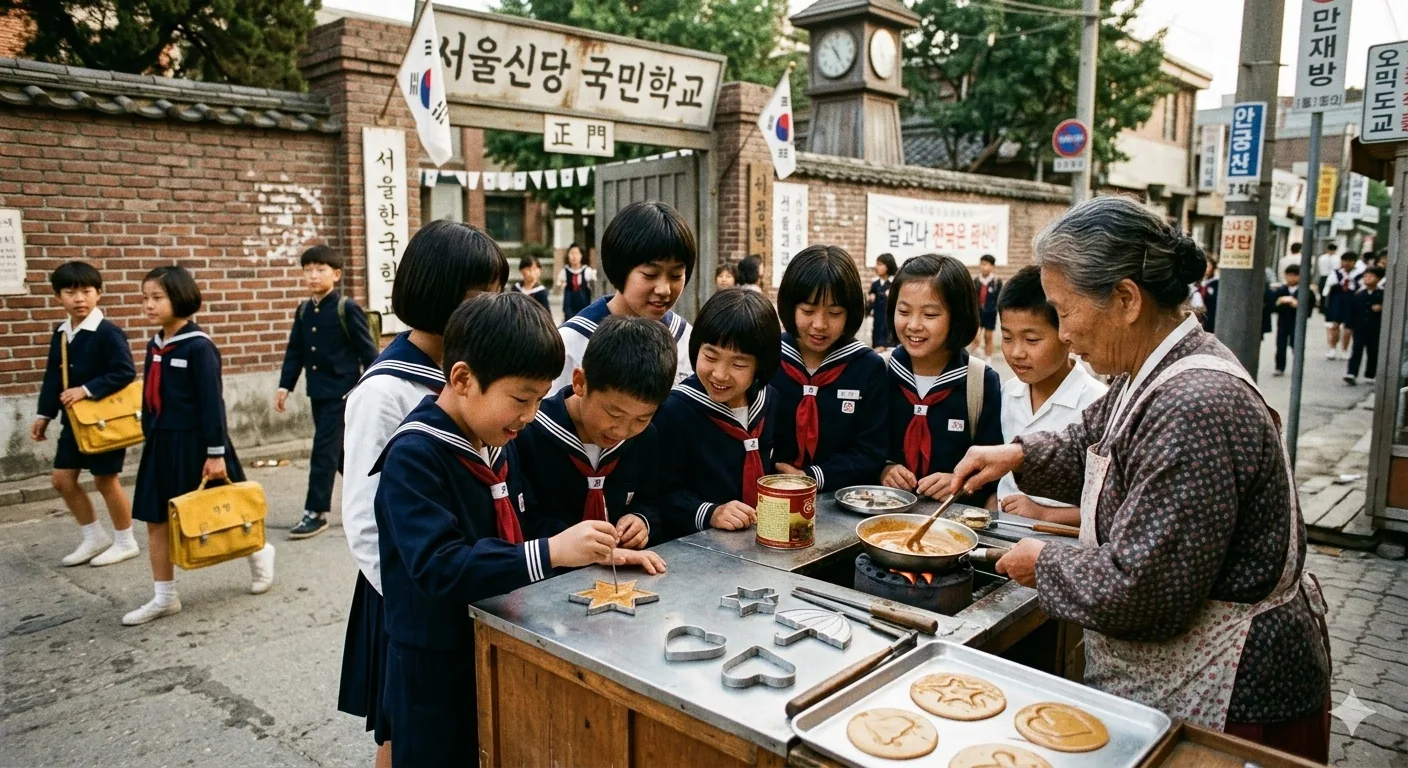
The Japanese colonial period (1910–1945) abolished the old exam system, but the hunger for advancement through education only condensed: entry to higher-common and vocational schools was one of the few routes a colonized Korean had toward a clerical or administrative job. After liberation, Korea had no land, no resources, no capital to speak of. In the compressed-growth decades of the 1950s–70s, education was effectively the only elevator that could carry a poor farmer’s child into the urban middle class. The “Miracle on the Han River” ran on educational fervor — and that fervor’s fuel was a cultural template six centuries in the making.
Why is Korea’s university hierarchy so unshakeable?
Since 1945, Korea has overhauled its admissions system again and again — the old Hakryeok-gosa, the current Suneung, comprehensive-evaluation tracks, endless rebalancing of early-admission (susi) versus regular (jeongsi) quotas, roughly once a decade. And yet no reform has dislodged the SKY-topped hierarchy.
That’s because the problem isn’t the test format. It’s that a person’s academic pedigree is wired into the labor market, the marriage market, and social networks all at once. When major employers use one’s alma mater as a first-round filter, and matchmaking firms literally grade prospects by university tier, a parent going “all-in” on admissions isn’t irrational excess — it’s a clear-eyed response to how the system actually rewards people.
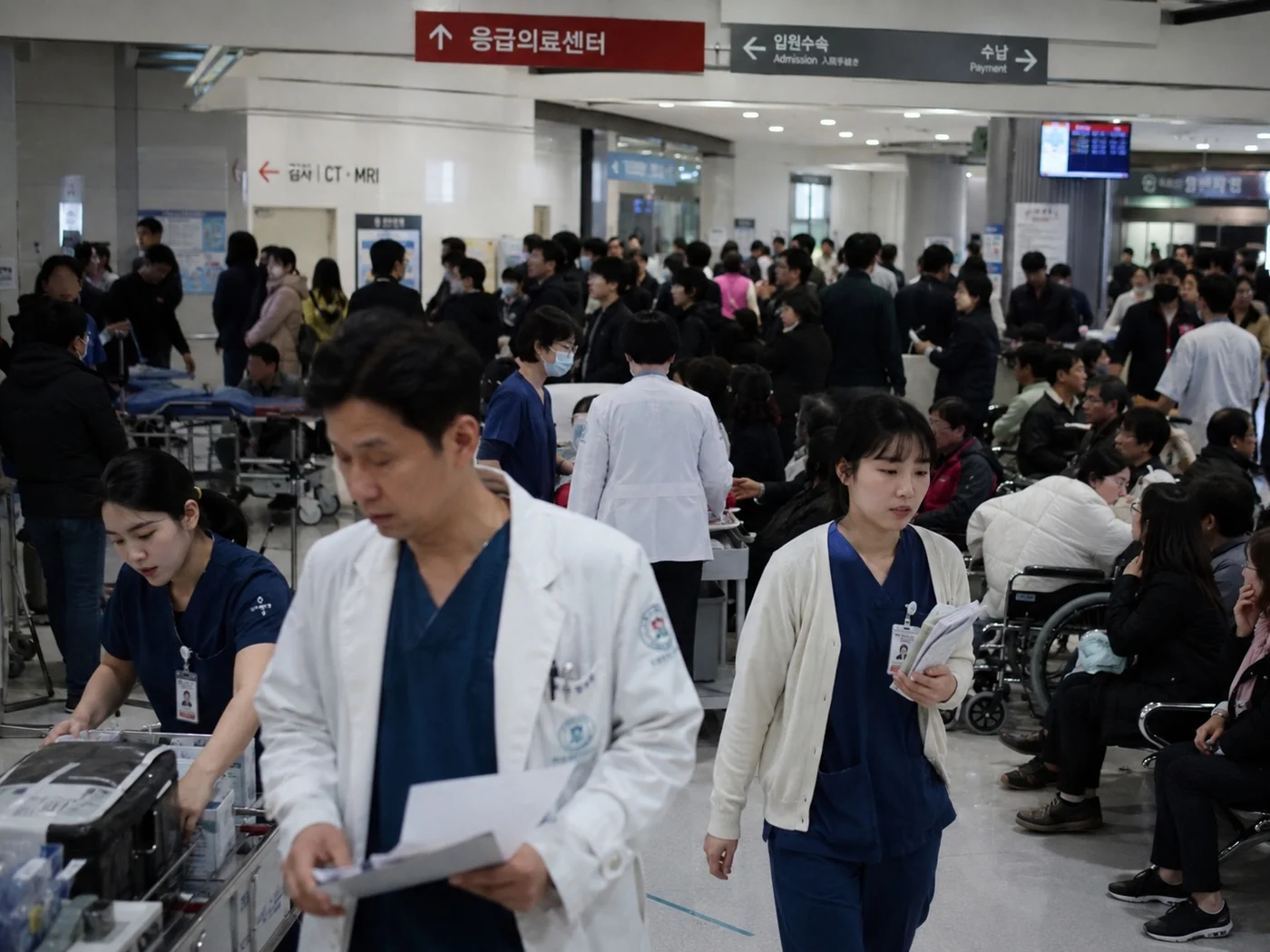
The scale of the private-education market shows the intensity in hard numbers. Per Statistics Korea, total spending on private education for elementary through high-school students reached about ₩26 trillion in 2022 (Statistics Korea, 2022 Survey) — a record at the time — averaging roughly ₩410,000 per student per month (measured across all students). The market has stayed enormous: the 2025 survey (released March 2026) put the total at ₩27.5 trillion (Statistics Korea), with monthly averages of ₩458,000 across all students and ₩604,000 among students who actually take private lessons. Seoul’s Daechi-dong hagwon district isn’t just a cluster of cram schools; it’s an admissions-industry complex where information, networks, and battle-tested curricula concentrate.
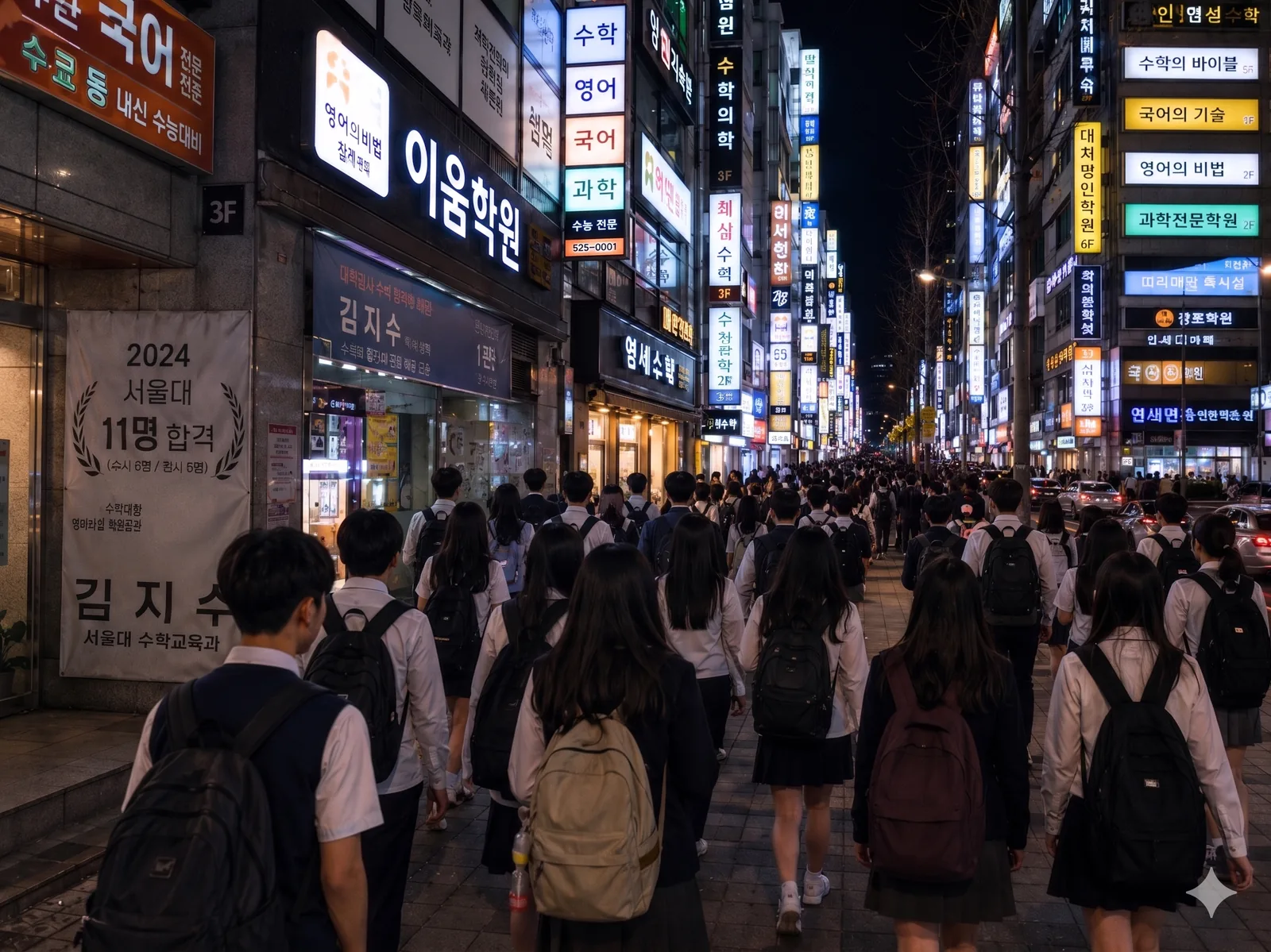
A common oversimplification to correct: “Korea’s education fever is just Confucianism” is only half right. Confucian reverence for scholarship was the foundation — but it was the modern survival experience (colonial-era class pressure, postwar absolute poverty, the diploma premium of the boom years) that amplified that fever to today’s intensity. The fact that other Confucian-heritage societies like Vietnam or Mongolia don’t show Korea-level exam pressure is the giveaway: history loaded the gun, but modern economics pulled the trigger.
Drama vs. real history — how much does SKY Castle exaggerate?
| In SKY Castle | In real Korea |
|---|---|
| Parents hire an all-controlling “coordinator” | Private admissions consulting is real and large, though few hire a single all-powerful figure |
| Obsession with three letters: S-K-Y | SKY universities take only ~2% of test-takers, yet anchor the whole hierarchy |
| Families spend staggering sums on a child | Private education is a ₩27.5-trillion market (2025); ₩604,000/month per participating student |
| Mothers act as full-time strategists | “Mom’s information power” (엄마 정보력) is a real social phenomenon, not a personal quirk |
| The villa world feels sealed off from society | The pressure is national — flights pause and markets shift on exam day |
Key terms. SKY — Seoul National, Korea, and Yonsei Universities, the apex of Korea’s academic hierarchy. Gwageo (과거) — Joseon’s civil-service exam; the regular sigyeonsi passed ~33 candidates, making success a family-defining event. Suneung (수능) — the national College Scholastic Ability Test, held one day a year, around which the whole country reorganizes. Hagwon (학원) — a private cram school; the Daechi-dong district is Korea’s densest hagwon cluster. Susi / Jeongsi (수시·정시) — the early (record-based) and regular (exam-based) admissions tracks whose shifting balance keeps the system complex.
Is Korea’s admissions pressure really unique? Comparing the world’s hardest races
Korea is far from the only society that turns university entry into a national pressure cooker. But the shape of the competition differs sharply — and the contrasts are the whole point.
China — the gaokao, heir to the original exam. China is the birthplace of the civil-service exam and home to its modern descendant, the gaokao (高考). Some 10 million-plus high-schoolers have their university fate decided over two days. Sheer population makes admission to Peking or Tsinghua even longer odds than Korea’s SKY. But China softens pure single-track competition with regional quotas that give rural and western-province students adjusted access — a structural difference from Korea’s more uniform national contest.
India — the IIT funnel. India’s entrance race for the elite IITs is among the world’s most brutal, but it has to be described carefully. The JEE Advanced exam itself qualifies roughly 30% of those who sit it (in 2026, about 56,880 of 179,694 test-takers — JEE Advanced official results). The famous “under 1%” figure isn’t the exam’s pass rate — it emerges only when you narrow from all JEE Main applicants down to the final IIT seats allocated through the JoSAA process. Either way, the pressure built a city, Kota, whose economy is the coaching industry itself — a structural cousin of Daechi-dong.
The West (US) — holistic, but not equal. American admissions advertise “holistic” review — SAT/ACT scores plus essays, recommendations, activities, interviews — yet they also contain legacy preferences, donor influence, and a private admissions-consulting industry. The mask slipped in 2019’s Operation Varsity Blues, the federal college-admissions fraud case. The amounts varied wildly by scheme: test-score rigging ran roughly $15,000–$75,000 per case, while faking athletic-recruit profiles cost some parents into the hundreds of thousands. The mastermind, Rick Singer, took in over $25 million across the conspiracy; of 55 charged defendants, 53 were ultimately convicted (US Department of Justice). Inequality in the US is quieter than Korea’s — not absent, just less visible.
Coming up next
One hired coordinator in a riverside villa — and we’ve traveled from a Joseon examination hall that passed 33 scholars at a time, to a ₩27.5-trillion tutoring market, to the gaokao, to Kota, to a federal courtroom in Boston. That’s the quiet gift of a good drama: a single satirical character turns out to carry six centuries of a society’s history.
In the next essay, we’ll stay inside SKY Castle and ask why, in Korea, a mother’s “information power” gets treated almost like a measurable skill.
Thanks for reading — see you in the next one.
Frequently asked questions
What is SKY Castle about? SKY Castle (2018–2019, JTBC) is a satirical K-drama about wealthy families in an elite residential complex who will do almost anything to get their children into Korea’s top three universities — Seoul National, Korea, and Yonsei, whose initials spell “SKY.” Its central figure is a private “admissions coordinator” who manages a child’s entire study schedule, interview prep, and even the parents’ behavior.
What does “SKY” mean in Korean university admissions? SKY is an acronym for the three universities at the top of Korea’s academic hierarchy: Seoul National, Korea, and Yonsei. A graduate’s alma mater functions as a filter in the job market, the marriage market, and social networks. Only around 2% of test-takers enter these schools.
Is the admissions coordinator in SKY Castle real? The drama dramatizes it to an extreme, but private admissions consulting is a real and large industry. Most families don’t hire an all-controlling coordinator like Kim Joo-young, but a wide market of consultants, hagwon counselors, and parent networks exists to navigate Korea’s complex admissions system.
Why is Korean education so competitive? A mix of deep history and modern economics: the Confucian reverence for learning and the Joseon civil-service exam built the template, then colonial pressure, postwar poverty, and the “education elevator” of the boom years intensified it. Because a person’s university still shapes job and marriage prospects, going all-in is a rational response to a real structure.
How big is Korea’s private tutoring market? Per Statistics Korea, total private-education spending hit about ₩26 trillion in 2022 and ₩27.5 trillion by the 2025 survey. Monthly averages were ₩458,000 per student across all students, and ₩604,000 among students who actually take private lessons.
Why does South Korea pause flights and delay markets on exam day? On Suneung day, the country coordinates across government and industry. During the 35-minute English listening section, aircraft takeoffs and landings pause nationwide (CNN); the stock market’s regular session opens an hour later (10:00 instead of 9:00) (The Korea Times). Neither is a standalone law — they’re annual coordinated measures.
How does Korea compare with China, India, and the US? China’s gaokao decides entry for 10+ million students but uses regional quotas; India’s IIT race is brutally selective at the final-seat stage; the US has “holistic” admissions alongside legacy preferences and a consulting industry, exposed in 2019’s Operation Varsity Blues. Korea stands out for how openly the whole society organizes around one exam day.
What is Daechi-dong, and why does it matter in Korean education? Daechi-dong is a neighborhood in Seoul’s Gangnam district that holds Korea’s densest concentration of hagwons (private cram schools). It isn’t just a cluster of academies — it’s an admissions-industry hub where the latest exam intelligence, proven curricula, star instructors, and parent networks concentrate. Proximity to it is itself a form of educational advantage, which is why it recurs constantly in debates about Korean education inequality.
Why is SKY Castle so controversial in Korea? SKY Castle struck a nerve because its satire felt less like fiction than documentary. It dramatized real anxieties — the private admissions-consulting industry, the pressure on mothers to manage their children’s futures, and the way elite status is passed down through education — that many Korean families recognized from their own lives. The debate it sparked was less “is this exaggerated?” than “is this us?”
Sources & further reading
This piece was written from the historical script and fact-check of 사뚱샘의 역사방 (SaDDungSam), drawing on primary records, government statistics, and official reporting. Primary and official sources are linked inline beside the claims they support:
- The Joseon civil-service exam (gwageo) and the regular munkwa quota of 33 — the Gyeongguk Daejeon legal code and the Encyclopedia of Korean Culture entries on gwageo, munkwa, and sigyeonsi, plus the National Institute of Korean History’s overview of the exam system. (Primary Joseon historical records; no single public English-language URL for these archival sources.)
- Private-education spending — Statistics Korea, 2022 survey (₩26 trillion); Statistics Korea, 2025 survey (₩27.5 trillion, released March 2026).
- Exam-day flight pause and stock-market delay — CNN (13 Nov 2025) (flights); The Korea Times (market hours).
- India’s JEE Advanced 2026 results — JEE Advanced official press release (56,880 qualified of 179,694 test-takers; ~30% qualification rate at the exam stage).
- Operation Varsity Blues — US DOJ case overview and Rick Singer sentencing (January 2023) ($25M+ taken in; 53 of 55 defendants convicted).
- Korea’s academic hierarchy and education pressure in international context — OECD, Education at a Glance 2025: Korea.
Thanks for reading — see you in the next one.
This article was researched and written by K-Drama History. Source: Why Do Korean Parents Hire Admissions Coordinators? SKY Castle & Korea's 600-Year Exam Obsession, Explained — K-Drama History