What Actually Changed When Western Medicine Reached Korea? The 1886 Jejungwon Report
Theme: Knowledge & Science
From the research behind Pause the Drama.
Two Korean dramas, three centuries apart, both about a body that will not get better.
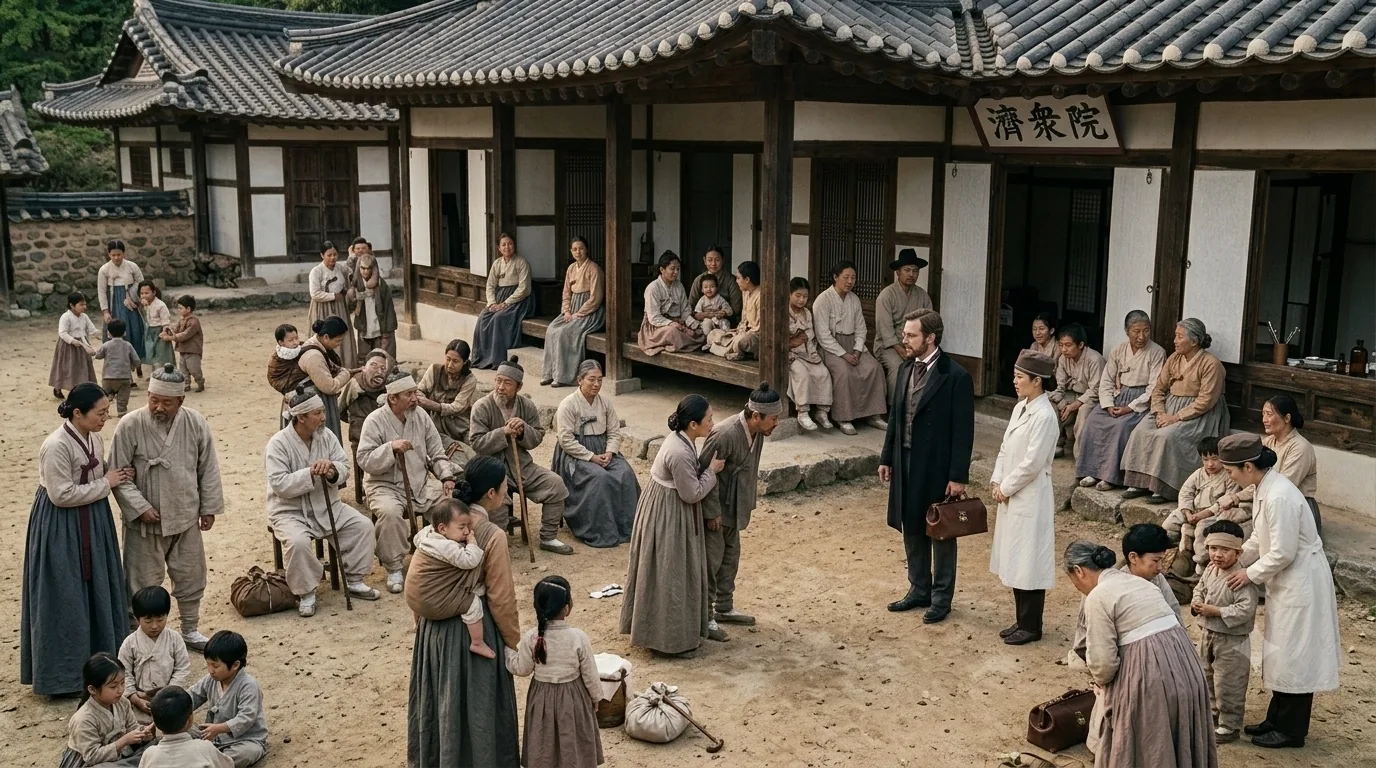
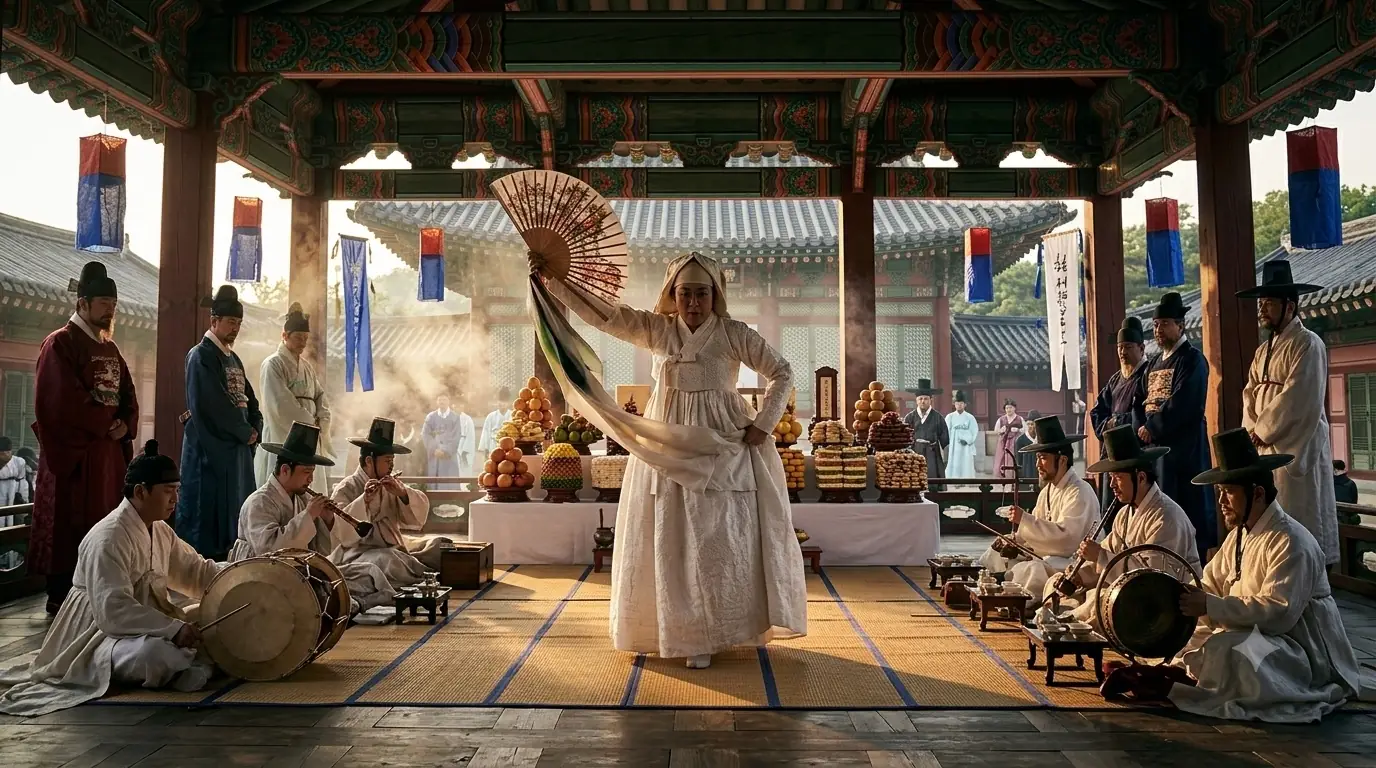
In The East Palace, the crown prince sickens and the palace starts digging. Something has been buried where it should not be. In Jejungwon, a man is carried into a building in Seoul in 1885 and an American doctor opens him up.
The distance between those two scenes is usually described as belief giving way to science. It is a satisfying arc, and it is bigger than anything the documents will carry.
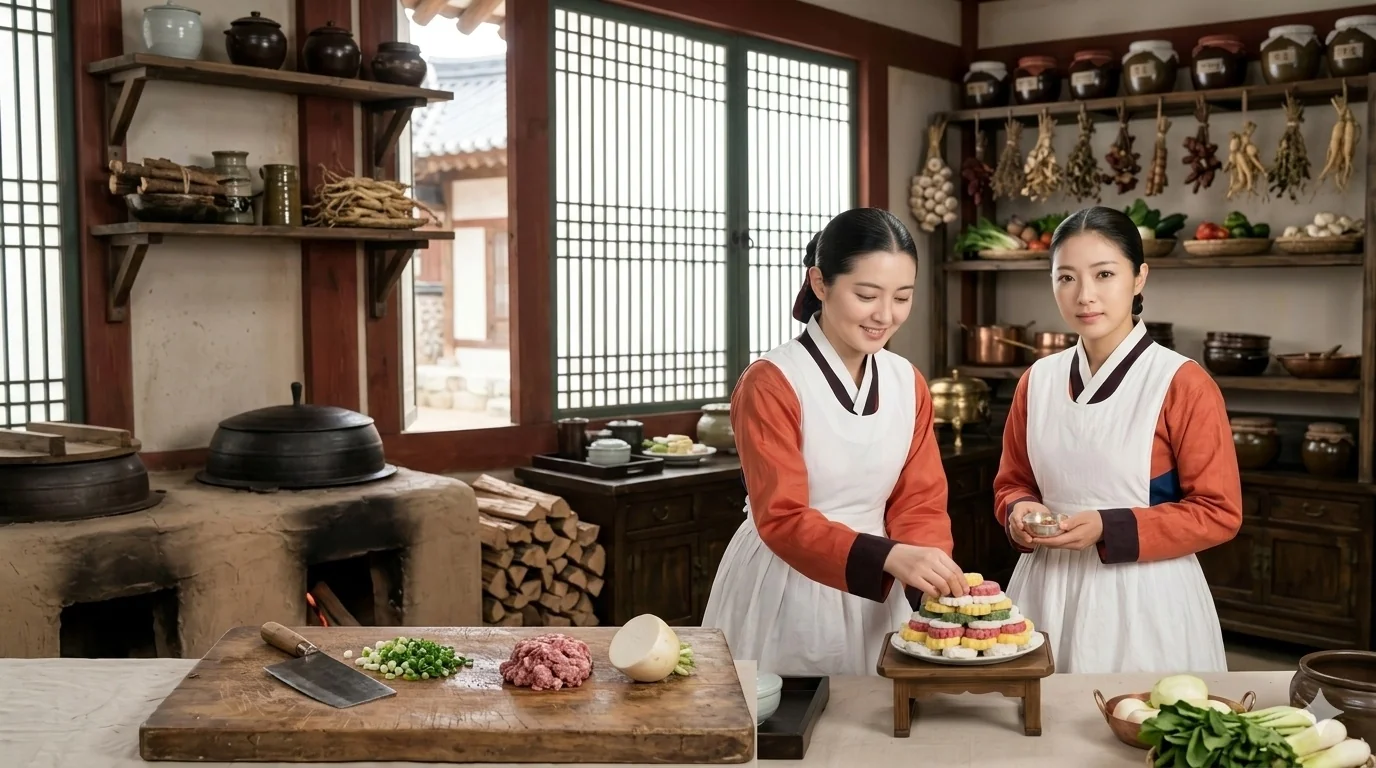
 The change we can actually document is on paper. (AI illustration)
Quick answer: Korea’s first government hospital practising Western medicine opened in Seoul in April 1885 — as Gwanghyewon, renamed Jejungwon within weeks. A year later its doctors, Horace N. Allen and John W. Heron, filed a first-year report, now a registered cultural property in Korea. It covers 10 April 1885 to 10 April 1886, records 10,460 patients, and — the part that matters here — is described as setting out its patient statistics according to the disease classification of modern medicine. 🛑 We confirmed the registration at source but not the contents, which come from second-hand summaries. If that holds, it is a documentable change, and it is narrower than the story usually told: not that Koreans stopped explaining illness one way and started explaining it another, but that a new kind of record came into existence. What people believed is much harder to document than what they filed.
Let’s unpack it.
What the hospital was, in two dates
The Encyclopedia of Korean Culture puts it precisely. Gwanghyewon was established on the 29th day of the second lunar month of 1885 — 14 April — and renamed Jejungwon on the 12th day of the third lunar month, 26 April. Twelve days from founding to new name.
The same entry notes that there were times when as many as seventy patients were seen in a day.
How the hospital came to exist, and its unusual double character — a Korean government institution staffed by American missionary physicians — is the subject of our article on the drama Jejungwon, and we will not retell it here.
The document this article is actually about
A year after opening, Allen and Heron filed a report on the hospital’s first year. It survives. The Korea Heritage Service lists it as a registered cultural property — registered on 12 October 2009, one volume, dated 1886, held at Yonsei University.
What is in it is worth listing plainly, because the contents are the argument. 🛑 One caution first: the heritage listing we opened records the registration, not the contents. The following comes at second hand, from institutional and press summaries of the report, and we have not read the document itself:
- a plan of the building
- an account of how the hospital came to be founded
- a description of the illnesses said to be common in Korea
- outpatient and inpatient statistics
- the hospital’s finances
- 10,460 patients treated in the first year
And the detail that makes it a hinge rather than an anecdote: the patient statistics are said to be organised according to the disease classification of modern medicine. That is the single claim this article leans on hardest, and it is also the one we would most like to confirm against the document.
Ten thousand four hundred and sixty Korean people, sorted into categories that had been developed somewhere else.
The date that does not line up
Here is a small thing we are not going to smooth over.
The encyclopaedia dates the founding to 14 April 1885. The report covers from 10 April 1885. That is four days before the founding date.
We do not know why. It may be a difference of convention — when the doctors started working versus when the institution was formally established — or a difference in how a lunar date was converted. We could not resolve it, and we would rather leave the seam showing than pick one and present it as clean.
Why “belief gave way to science” is the wrong shape
The tempting sentence is that Korea moved from curses to pathology. Three problems with it.
First, it flattens what was already there. Joseon did not have one explanation of illness waiting to be replaced. It had a court medical office and a state medical system that included a female physician corps; an office concerned with epidemics and the sick poor; state rites addressed to pestilential spirits; and shamans on the palace payroll, doing work the court had reasons to keep. Several systems, running at once, inside one government.
Second, one hospital in Seoul is not a country. Ten thousand patients in a year is a large number for a new institution and a very small one for a population. What happened to medical practice across Korea in the following decades is a real question, and it is not answered by a founding date.
Third — and this is the part the report actually lets us see — the earliest documented change is in the paperwork. Not “Koreans began to believe in germs,” which is a claim about millions of interior lives that no document delivers, but “a ledger now existed in which Korean illness was counted in these categories, with a financial statement attached.”
That is a smaller claim. It is also one you can check.
What a classification does
It is worth pausing on why a table of categories is not a neutral thing.
To file 10,460 people under headings, someone has to decide which complaints are the same complaint. A classification does not merely record illness; it decides what counts as a kind of illness in the first place, and it makes some things visible and others invisible in exactly the same act. A patient’s own account of what was wrong with them survives, if at all, only as far as it fits a column.
This is not an argument that the classification was wrong. It is an argument about what the document is evidence of. The report is very good evidence about the hospital, and much weaker evidence about what Koreans thought was happening to their bodies.
Drama vs. real history
| What the pairing suggests | What the documents support |
|---|---|
| Korea moved from curse to diagnosis in a generation | Two dramas sit three centuries apart. Nothing in either document set describes a national transition, and this article does not claim one |
| Before 1885, illness in Korea was explained supernaturally | Joseon ran several medical institutions and explanatory systems at once; the palace kept shamans and a court medical office |
| Jejungwon was a Western hospital in Korea | It was a Korean government institution staffed by American missionary physicians — a double character we treat separately |
| The first year was modest | 10,460 patients are recorded for the first year, with as many as seventy seen in a single day |
| The founding date is settled | The encyclopaedia gives 14 April 1885; the report counts from 10 April 1885. We leave the four-day gap visible |
Key terms. Gwanghyewon (광혜원) — “house of extended grace,” the hospital’s founding name, used for twelve days. Jejungwon (제중원) — “house for helping the multitude,” the name it kept. Naeuiwon (내의원) — the Joseon court medical office. Hwarinseo (활인서) — the Joseon office concerned with epidemics and the sick poor. Registered cultural property (등록문화재) — a Korean heritage designation covering modern-era items, under which the 1886 report is listed.
Where this sits in the wider history of counting
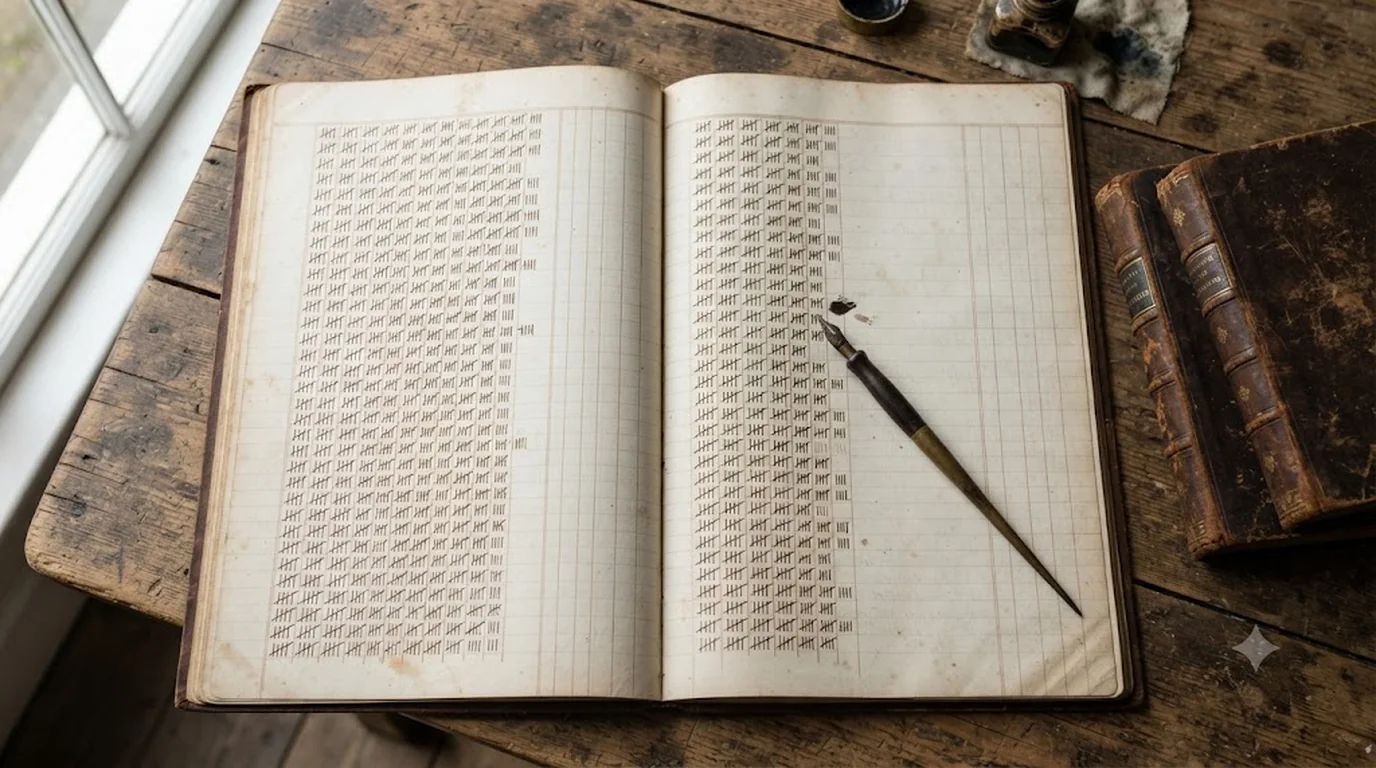 A classification decides what counts as a kind of illness — and that is a different act from curing one. (AI illustration)
Counting the sick in fixed categories is a nineteenth-century habit that spread with institutions rather than with ideas. Hospital returns, cause-of-death tables and disease nomenclatures were being argued over across Europe and North America through the same decades, and the categories themselves kept moving as the arguments were settled and reopened.
We are deliberately not going further than that here. A serious comparison would need the report itself open on the desk, and we have not read it — this article works from the state listing of its contents and from reporting on it. What we can say is that the Korean document belongs to that wider moment: a hospital, a year, a table, and a number at the bottom.
Back to the two dramas
The East Palace is about a court that digs up the ground to find the cause of an illness. Jejungwon is about a building where a foreign doctor writes the cause in a column.
Set side by side they look like a before and an after. Read against the documents, they are two moments with a great deal of unrecorded ground between them, and the one thing we can hold in our hands from that ground is a report with 10,460 people in it.
What changed first was the filing.
Coming up next
Both anchors have their own articles here. SBS’s Jejungwon covers the founding, the stabbing that set it in motion, and the hospital’s strange double status. Donggung covers the shamans the Joseon court kept on its own books — including where they sat when the state dealt with sickness and death.
Frequently asked questions
Did Western medicine replace traditional medicine in Korea in 1885? Not something this article can show. What the documents establish is that a government hospital opened in April 1885 and that its doctors counted 10,460 patients in its first year.
What is the First Annual Report of the Korean Government Hospital? A report by Allen and Heron covering 10 April 1885 to 10 April 1886, now a registered cultural property. It contains the building plan, the founding account, common illnesses, outpatient and inpatient statistics and the finances — with the statistics organised by the disease classification of modern medicine.
How many patients did Jejungwon treat in its first year? 10,460, per the state listing for the report. The encyclopaedia separately notes days on which as many as seventy patients were seen.
Why do the dates not quite match? The encyclopaedia dates the founding to 14 April 1885; the report counts from 10 April 1885. We could not resolve the four-day difference and leave it visible.
Did Joseon have no medicine before this? It had several systems at once — a court medical office, a female physician corps, an office for epidemics and the sick poor, state rites against pestilential spirits, and shamans on the palace payroll. Other articles here cover them.
So what actually changed in 1886? On the evidence, the paperwork. A record now existed in which Korean patients were counted in the categories of another medical system.
Sources & further reading
- Founding dates and the renaming — Encyclopedia of Korean Culture, ‘Jejungwon’ (E0051479): Gwanghyewon established 14 April 1885, renamed Jejungwon 26 April 1885; days on which as many as seventy patients were seen. Consulted directly. 🛑 The entry does not describe the first-year report, and does not address whether the hospital displaced or coexisted with the existing Joseon medical offices — so this article makes no claim about that.
- The 1886 report, registration — Korea Heritage Service listing, consulted directly: registered 12 October 2009, one volume, dated 1886, held at Yonsei University.
- The 1886 report, contents — authorship, the 10 April 1885 to 10 April 1886 period, the 10,460 figure, the contents list and the statement that the statistics follow modern disease classification are not in that listing summary. They come at second hand from institutional and press summaries. 🛑 The report itself was not read for this article — which is also why the comparative section above is kept short, and why the article’s central claim is stated as reported rather than as verified.
- The date discrepancy — the founding date (14 April) and the report’s start date (10 April) do not agree. Left unreconciled.
- Everything this article does not restate — the hospital’s founding and double character, Joseon court curse cases, the palace shamans and the Hwarinseo, and the Naeuiwon and female physician system are covered in the linked articles on this site rather than summarised again here.
This article was researched and written by K-Drama History. Source: What Actually Changed When Western Medicine Reached Korea? The 1886 Jejungwon Report — K-Drama History